































What makes a cheap wine good
A low price doesn’t mean low quality. Much of what a bottle costs comes from the fame of its appellation, time in barrel and marketing. A young wine from a lesser-known area, made from well-ripened grapes without long ageing, can offer more fruit and more pleasure than a famous-brand crianza at the same price. That’s why we don’t look for the cheapest wine, but for the one that gives the most for what it costs: clean fruit, balance and a recognisable style.
Spain’s best-value wine regions
La Mancha and Manchuela. The world’s largest vineyard area, with juicy Tempranillo, Garnacha and Bobal reds and fresh whites at very fair prices.
Jumilla, Yecla and Alicante. Monastrell country: ripe, black-fruited, full-bodied reds for little money.
Valencia. Aromatic Moscatel and Merseguera whites and easy-going reds for rice dishes.
Navarre. Spain’s benchmark Garnacha rosés and fresh-style reds.
Rueda. Young Verdejos that cost little and go with almost anything.
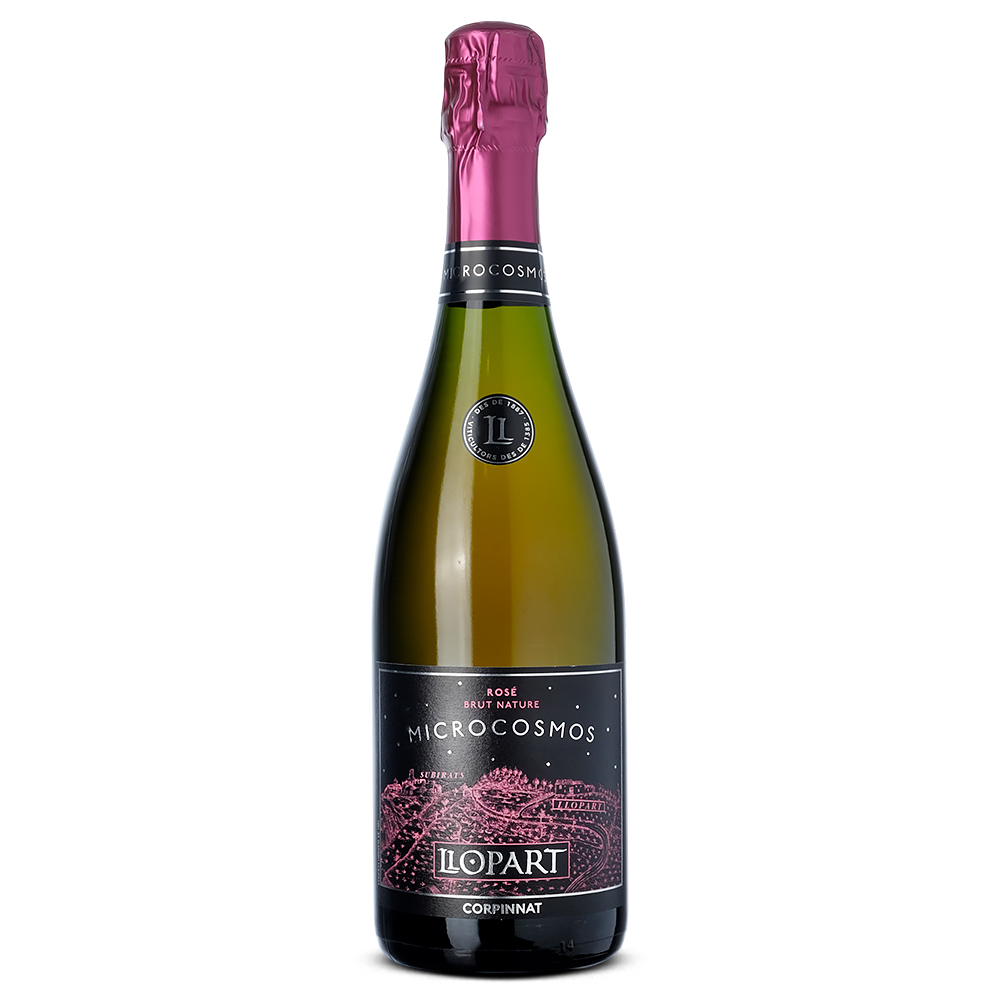
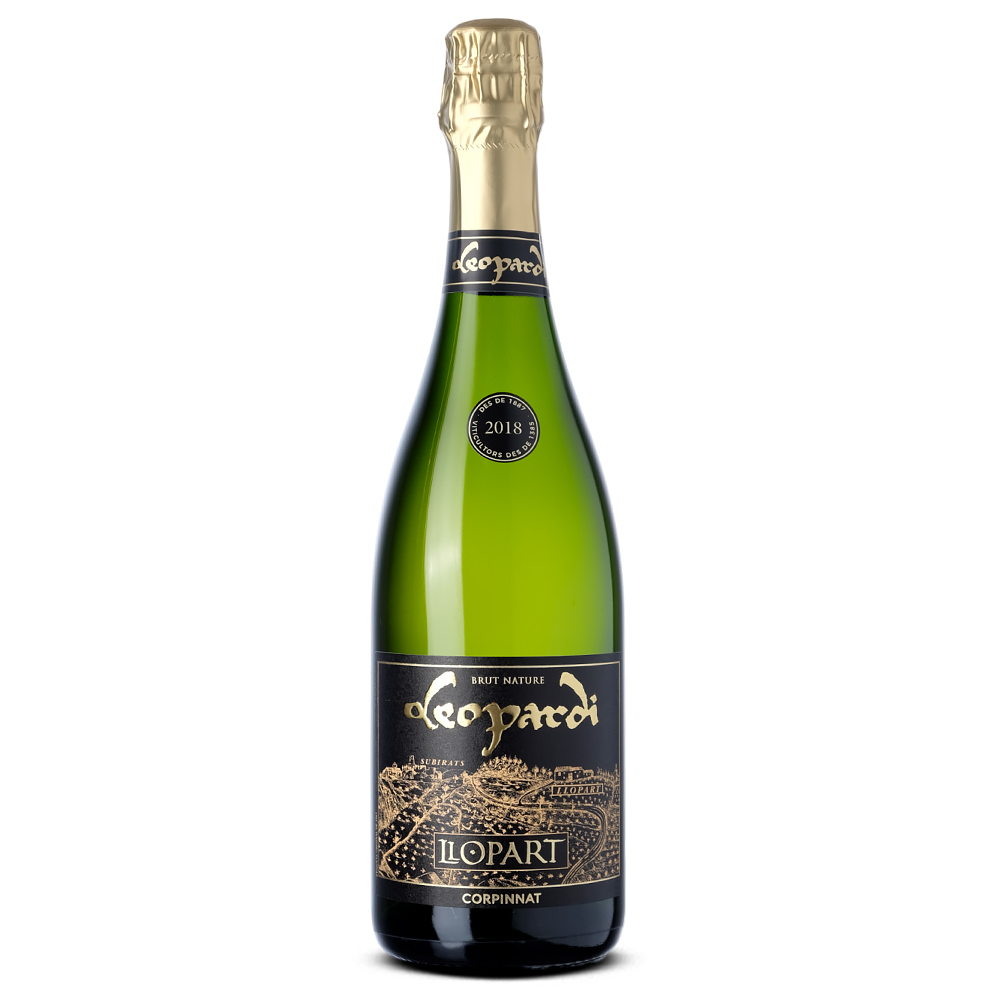
Cava. Europe’s best-value traditional-method sparkling wine.
Vinos de la Tierra de Castilla. Projects free from appellation rules, often from renowned wineries.
How to choose a cheap wine
At this price, fruit is usually a better bet than oak: pick a young wine or a “roble” over a cheap crianza. For whites and rosés, the more recent the vintage, the better. Try native grapes such as Monastrell, Bobal or Garnacha, which often cost less than Tempranillo from the famous regions. And to celebrate without spending much, a brut or brut nature cava.
Which wine for which occasion
For everyday meals and family lunches, a young red from La Mancha or Navarre. For an evening of tapas, a Verdejo or a Garnacha rosé. For a barbecue, a Monastrell from Jumilla. For an impromptu toast, a cava. And for cooking a stew, a risotto or a sauce, any wine from this selection: if you wouldn’t drink it, don’t cook with it.