




Three Faces of Ribera del Duero: Peter Sisseck's Philosophy

Danish oenologist Peter Sisseck has redefined the potential of Spanish winemaking. His approach combines deep respect for old Tempranillo vines with precise winery work. His three main projects showcase different levels of concentration and varietal purity.

Evolution of Dominio de Pingus Style

How the Danish winemaker reinterpreted classical Ribera del Duero methods and moved away from excessive oak.

Rejecting Extraction for Purity

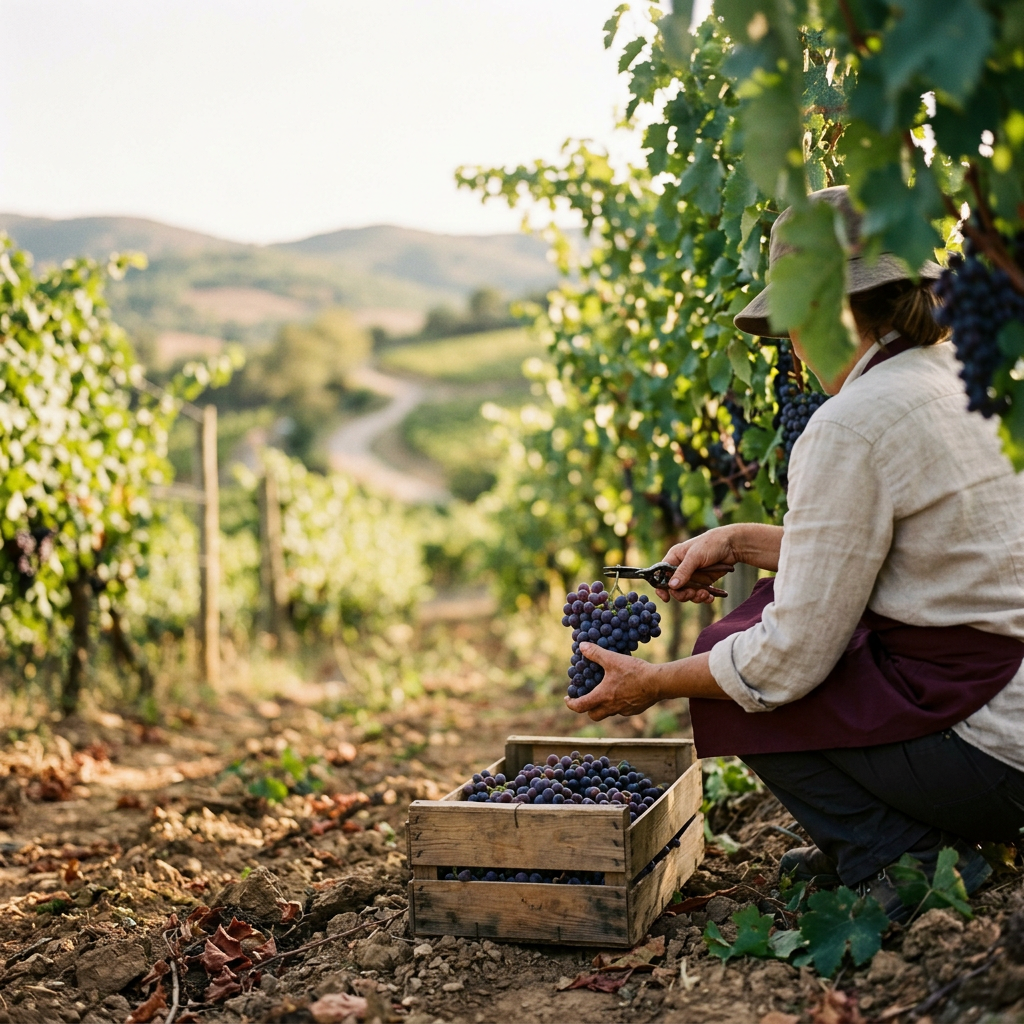
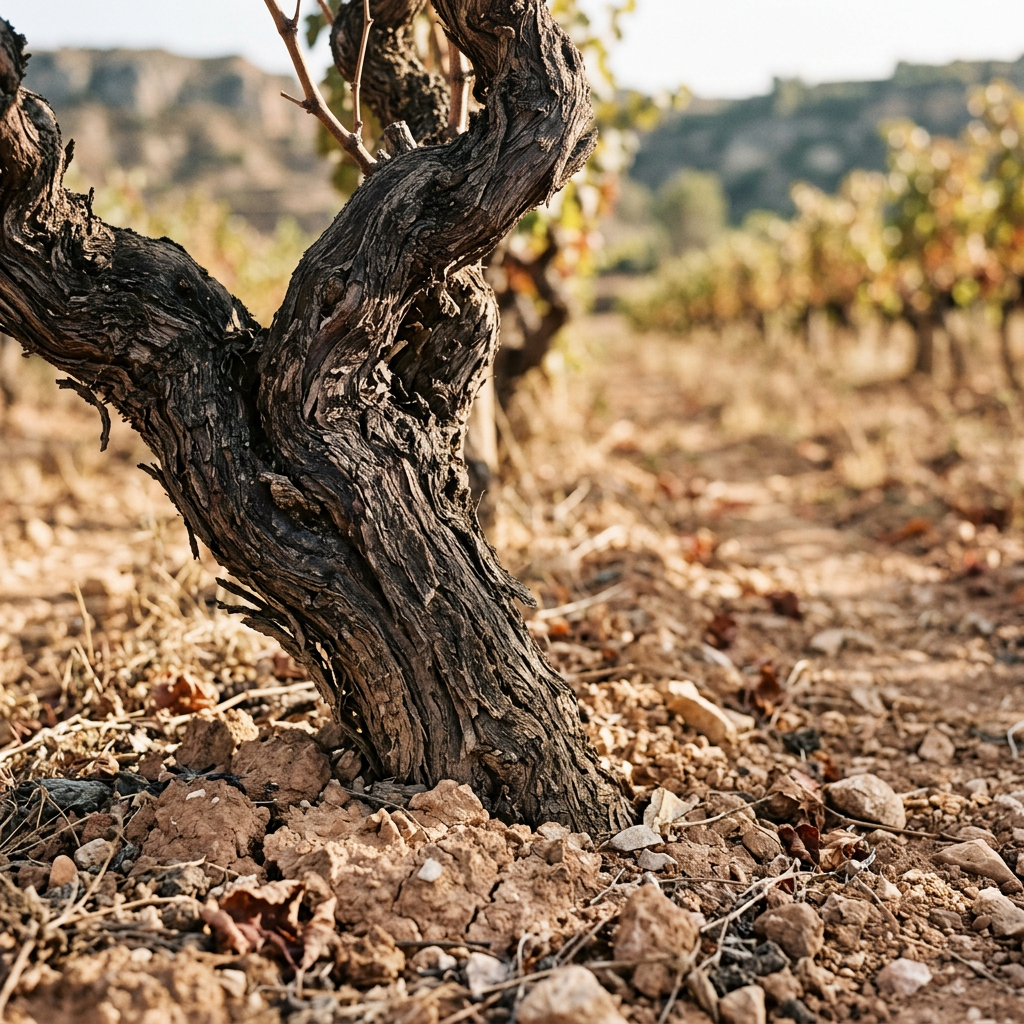
In the 1990s, Ribera del Duero was associated with powerful, highly extracted wines and the dominant influence of new French oak. Peter Sisseck took a different path. He focused on biodynamics and very old, ungrafted Tinto Fino vines.

During vinification, Sisseck minimizes mechanical impact on the must. Instead of aggressive pump-overs, he uses gentle punching down of the cap. This allows the extraction of soft tannins and preserves the natural acidity of the grapes without harsh woody tones in the final taste.

Pillars of Peter Sisseck's Winemaking

01

Old Tinto Fino Vines

Vines for the flagship wine are over 80–100 years old.

Old Tinto Fino Vines
02

Biodynamic Approach

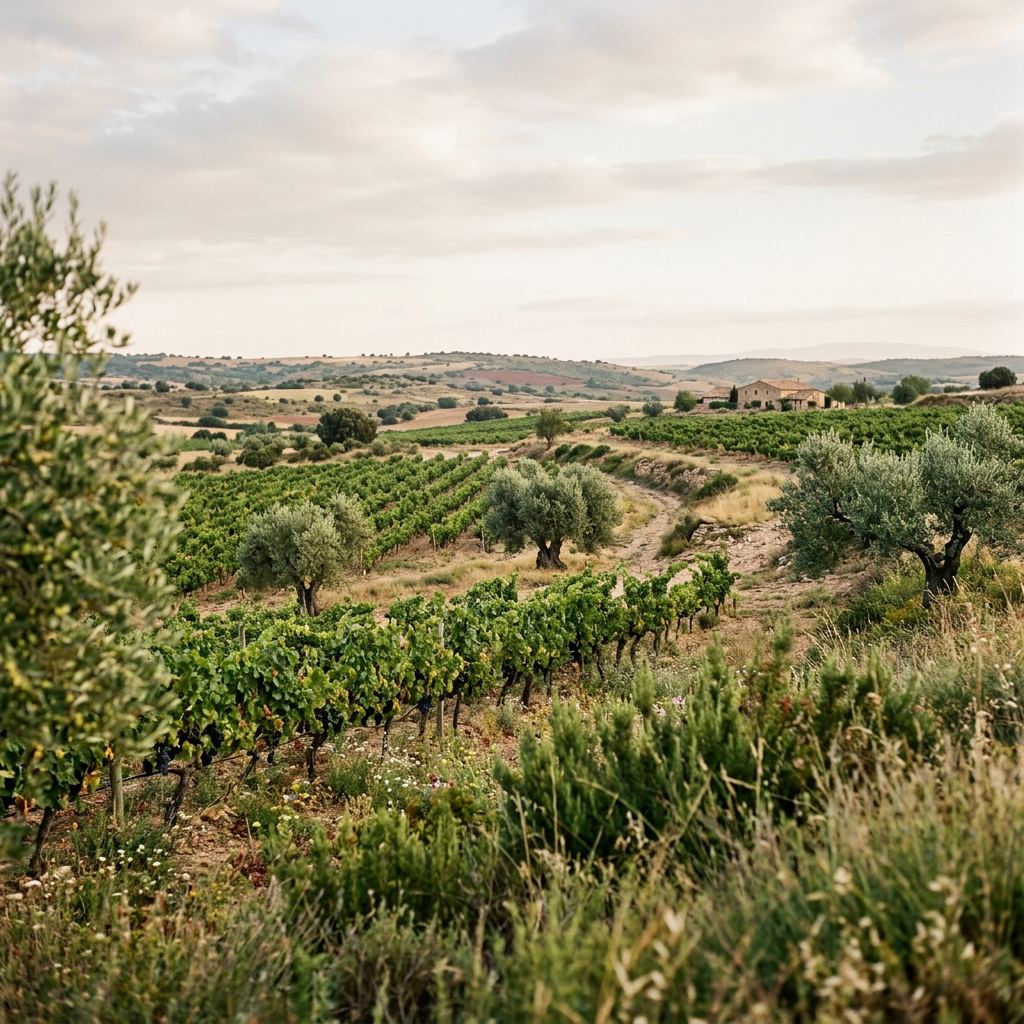
No chemical fertilizers in the vineyards since 2000.

Biodynamic Approach
03

Less New Oak

Moving from 100% new barrels to used and neutral vessels.

Less New Oak
04

Biodiversity

Supporting the region's ecosystem through the PSI project.

Biodiversity

A New Era of Ageing: Moving Away from Wood Dominance

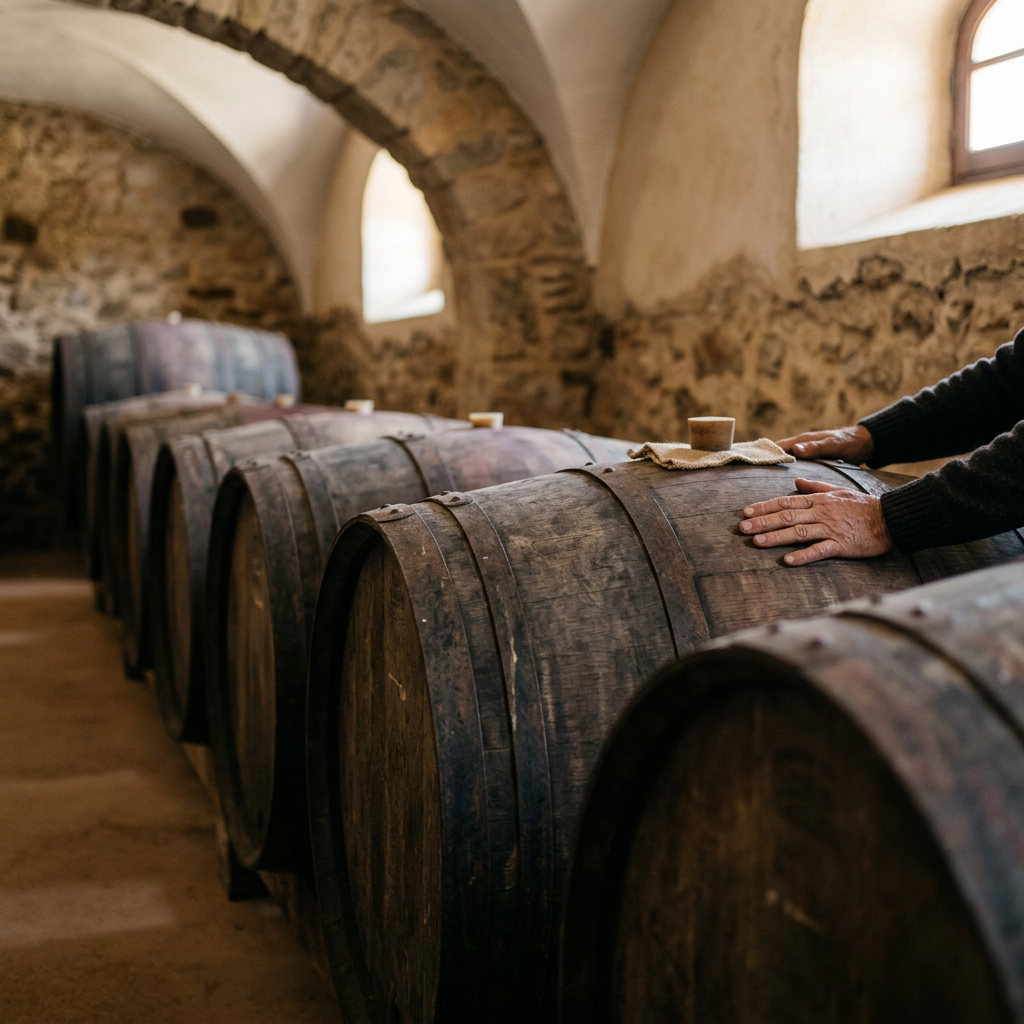
The first vintages of Pingus were aged exclusively in new French oak barrels, in line with late 20th-century trends. However, over time, Peter Sisseck concluded that excessive wood tannins mask the individual character of old vines. Today, the winery uses significantly less new oak, replacing it with used barrels and concrete vats.

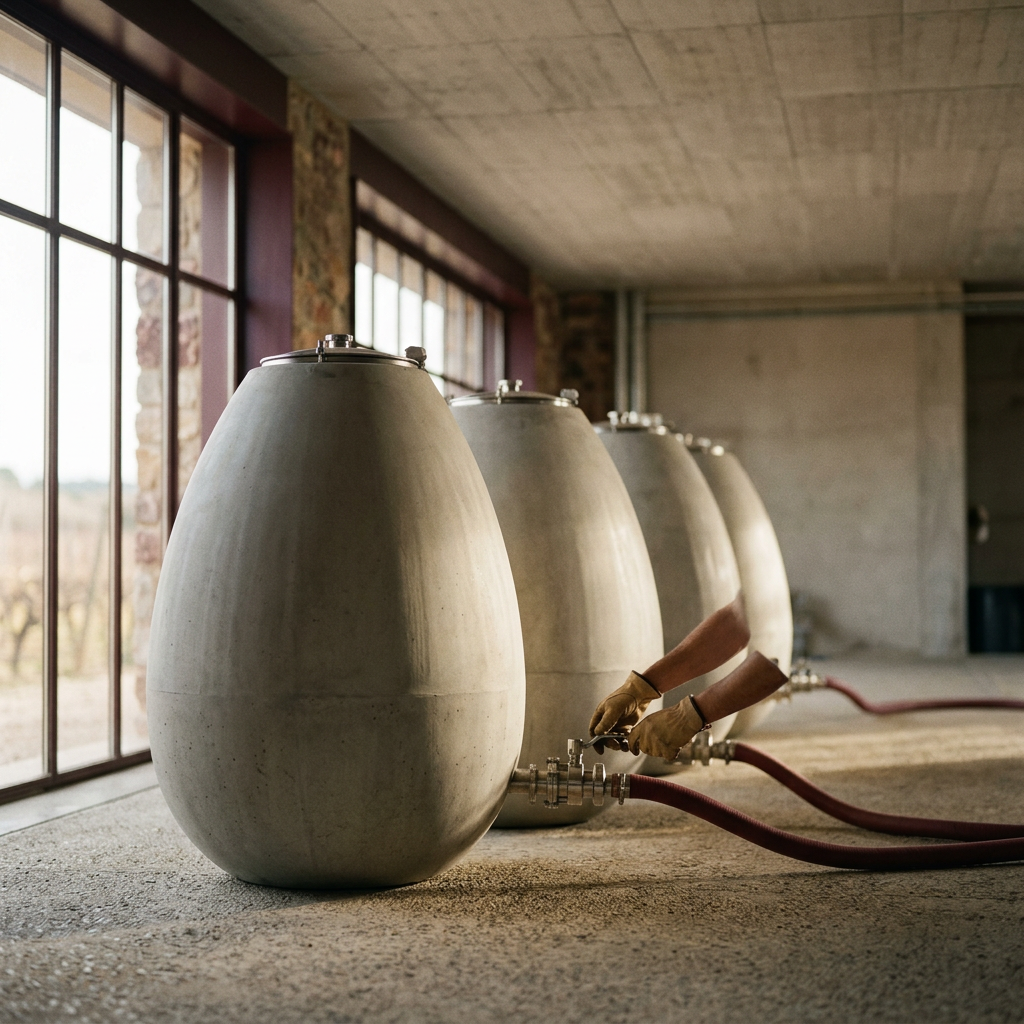
For Flor de Pingus, the proportion of new oak is minimized, while in PSI production, oak barrels are used only partially. The majority of PSI matures in large neutral oak foudres and cement vats. This preserves bright fruitiness and freshness, making the wine more approachable in its youth.

This evolution of ageing methods has made the wines more elegant and food-friendly. Sisseck proved that the greatness of Tempranillo lies in balance and the origin of the grapes, rather than time spent in contact with toasted wood.

Three Projects — Three Characters of Ribera del Duero

How grape origin and vinification details define the style of each wine in the range.

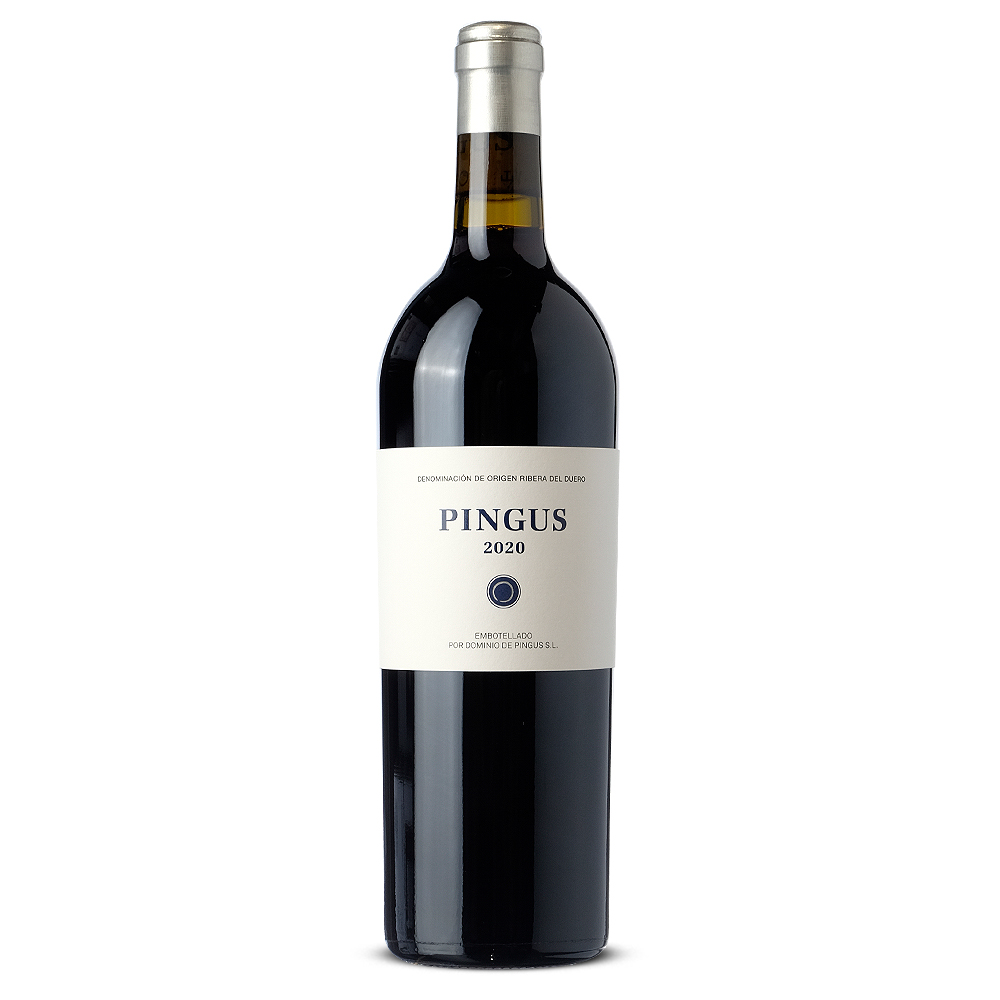
Pingus — The Pinnacle of Concentration

This wine is produced from two tiny plots totaling just over 4 hectares in the La Horra zone. The age of the Tinto Fino vines here exceeds 90 years. Low yields produce grapes with a high concentration of dry extract. Fermentation takes place in wooden vats, and ageing in French oak. This wine requires several years of bottle ageing to fully reveal itself.

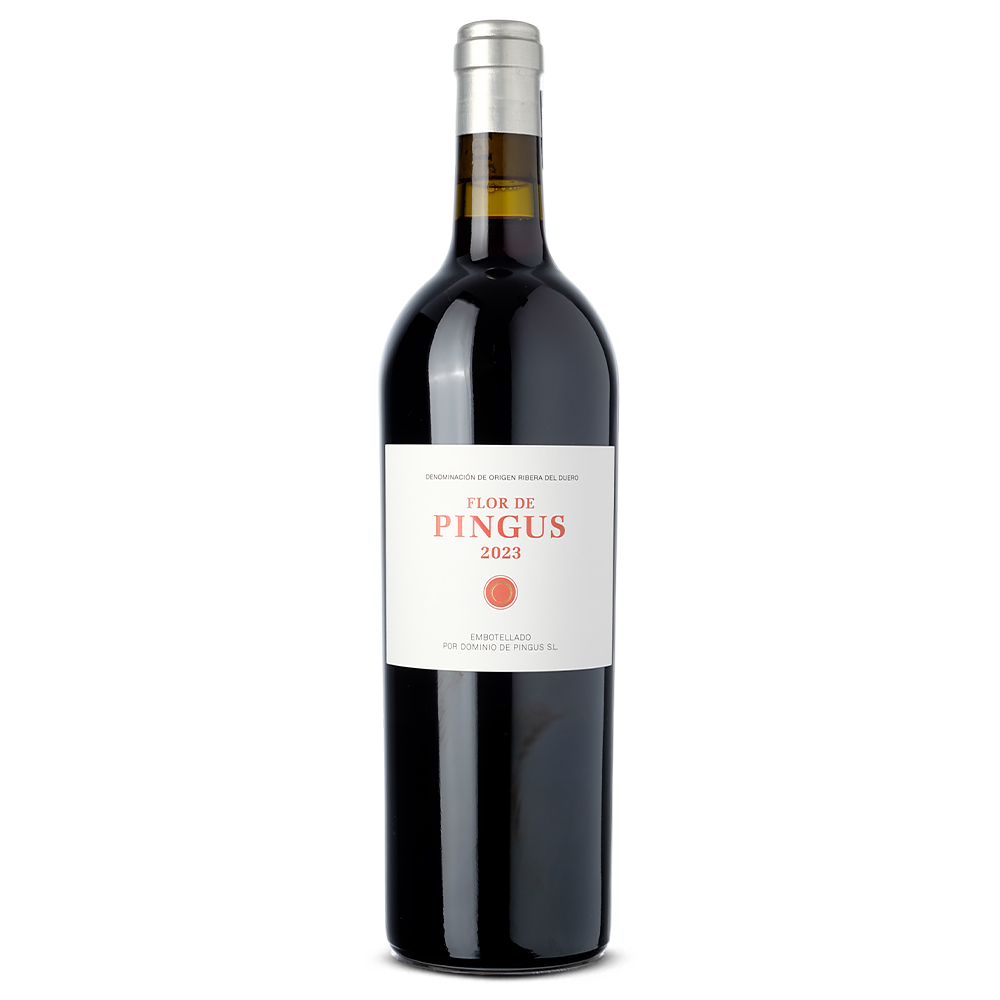
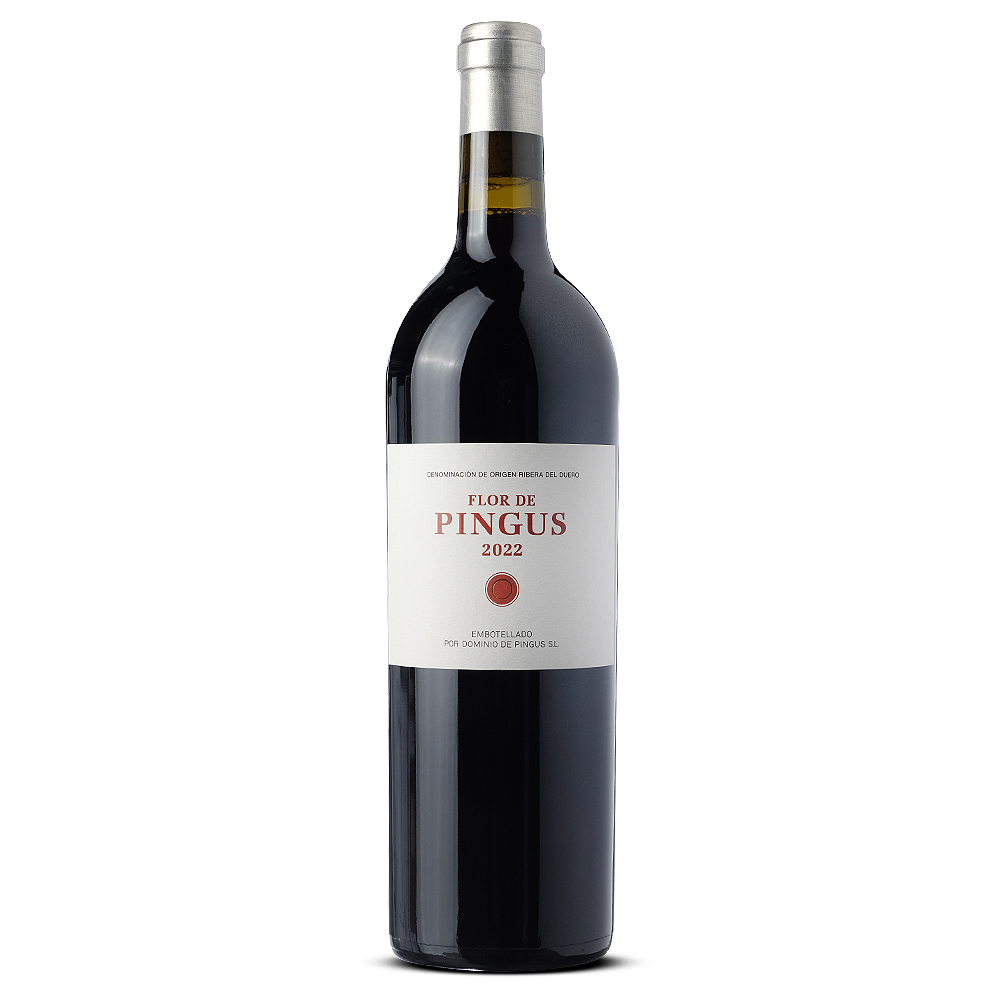
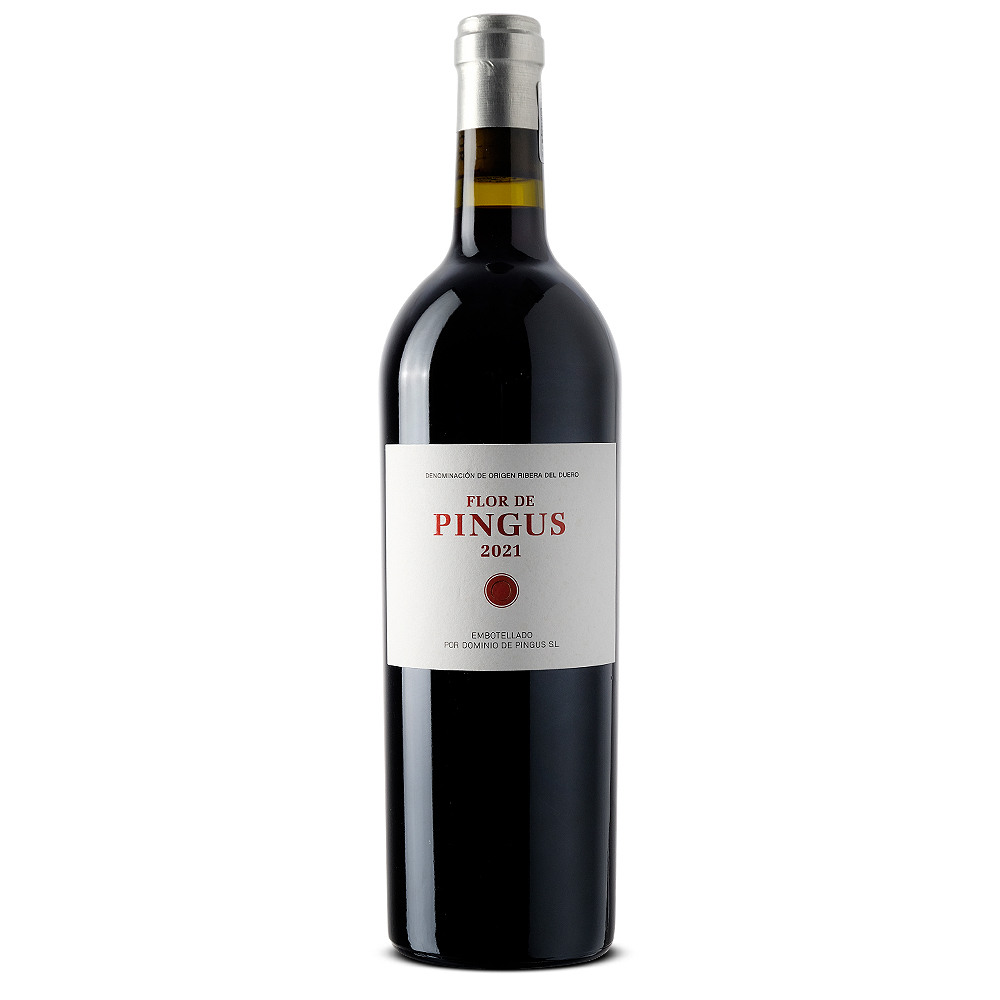
Flor de Pingus — Balance and Accessibility

Grapes are harvested from rented and owned plots in the same La Horra zone, but the vines here are younger—averaging around 35–40 years. Vinification is carried out in temperature-controlled stainless steel tanks. Ageing takes place partly in new and partly in used barrels. The wine is more open and ready to drink earlier than the flagship.

PSI — Social Project and Freshness

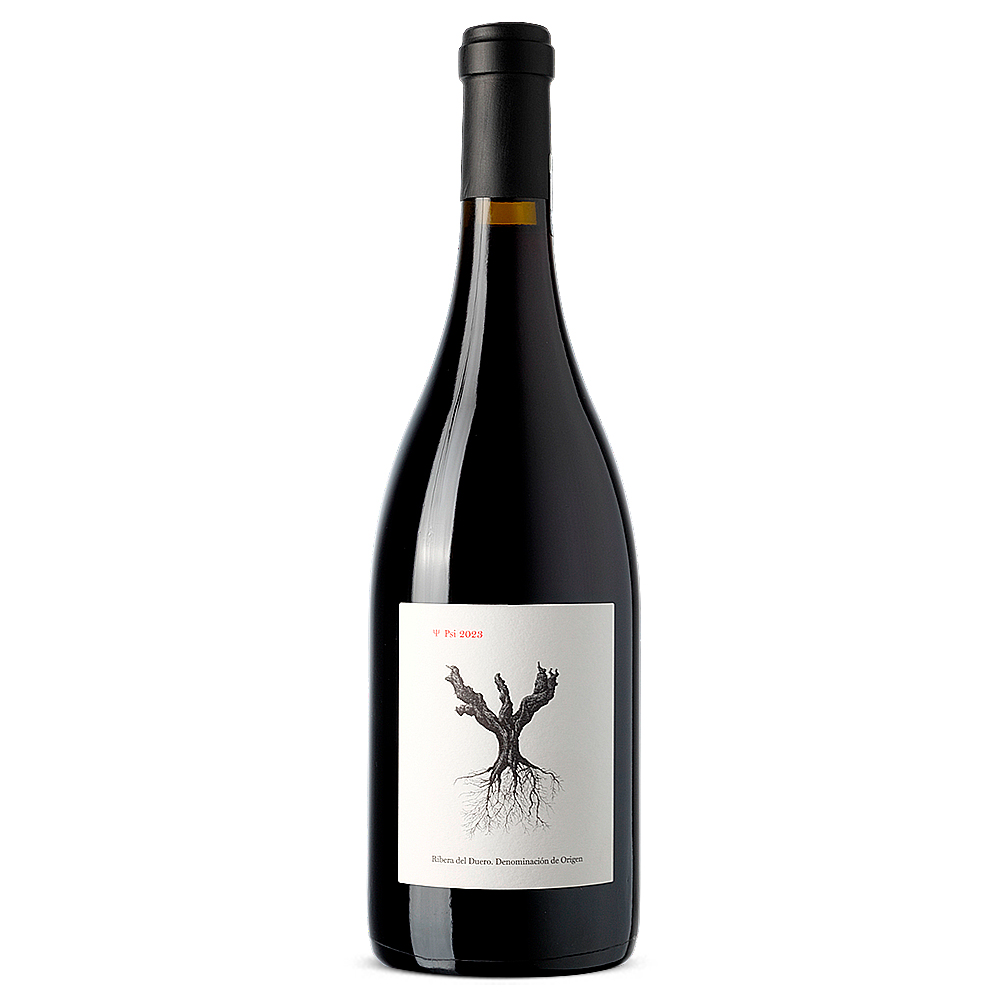
The project was created to save the old vineyards of Ribera del Duero. Sisseck buys grapes from local smallholders, helping them transition away from chemicals. A small amount of Garnacha is added to the Tempranillo blend. The wine is aged mainly in concrete vats and large oak foudres, ensuring a light, fruity, and juicy style.

Discover the Wines of Peter Sisseck

Explore the distinctive style of one of Spain's most influential winemakers. Our collection features rare vintages of Pingus, Flor de Pingus, and the vibrant releases of PSI.

Learn more
Home
Favorites
Catalog
Cart
Log in