
Altitude, Limestone, and Extreme Climate: Inside the Ribera del Duero Terroir

The Spanish region of Ribera del Duero is renowned for powerful, concentrated red wines with deep color and dense tannin structure. Local vineyards thrive in a harsh continental climate at altitudes up to 1,000 meters above sea level. These demanding conditions shape the unique character of the local Tempranillo grape.

The Extreme Plateau of Ribera del Duero

Understanding the region's geography explains the austere and powerful character of its wines.

Geographical Profile and Climatic Challenge

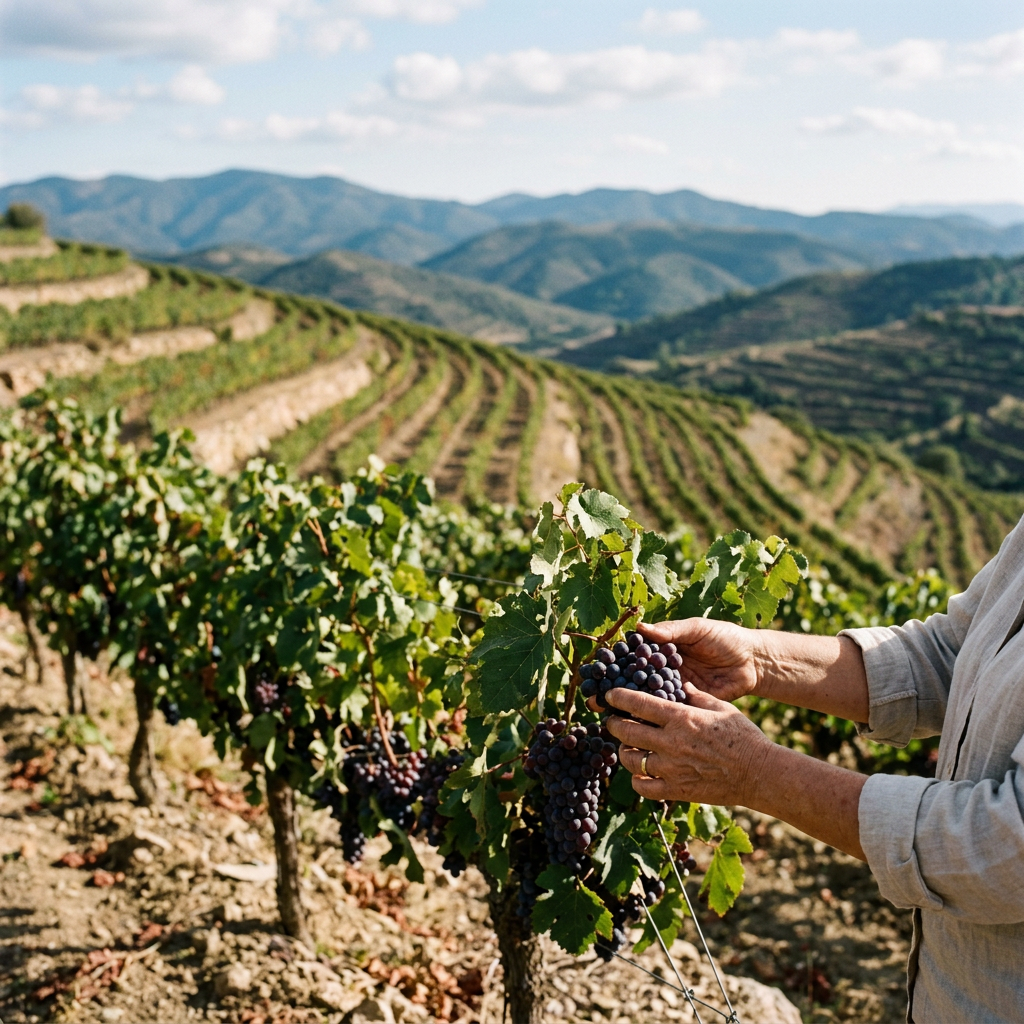
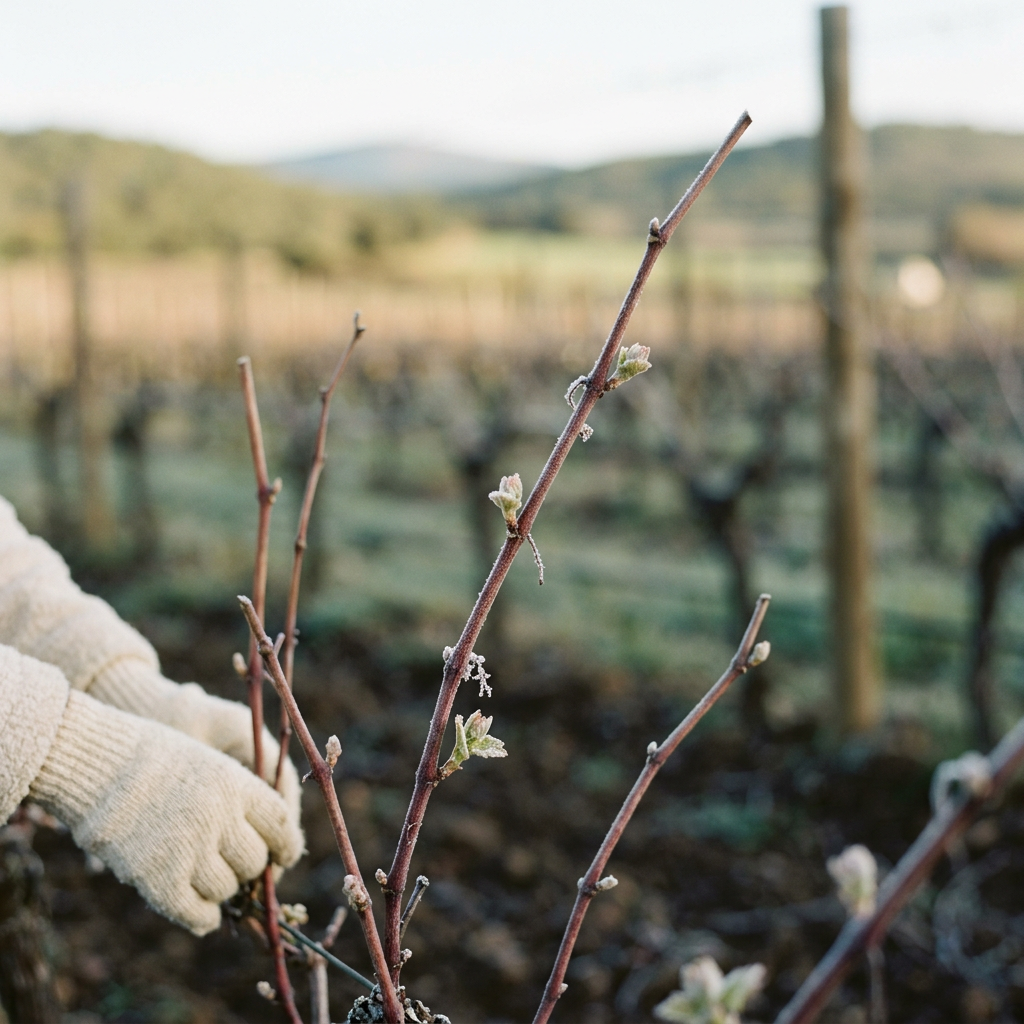
D.O. Ribera del Duero is situated on the northern plateau of the Iberian Peninsula, along the course of the Duero River. The vineyards lie at altitudes ranging from 700 to 1,000 meters above sea level. This elevation determines the key climatic feature: extreme diurnal temperature shifts, which can reach 20–25 degrees Celsius during the ripening season.

This thermal contrast slows grape ripening. During the day, the grapes accumulate sugars under intense sunlight, while cold nights preserve acidity. Consequently, the resulting wines are simultaneously dense, high in alcohol, and fresh, showing no signs of overripeness.

Four Pillars of a Great Terroir

01

Extreme climate

Short, hot summers and harsh winter frosts down to minus twenty degrees.

Extreme climate
02

Diverse soils

A mix of limestone, clay, and alluvial gravel on river terraces.

Diverse soils
03

Altitude factor

Vineyards up to 1,000 meters high ensure cool nights.

Altitude factor
04

Tinto Fino clone

Local adaptation of Tempranillo with smaller berries and thick skins.

Tinto Fino clone

Tinto Fino: Evolutionary Survival in a Harsh Climate

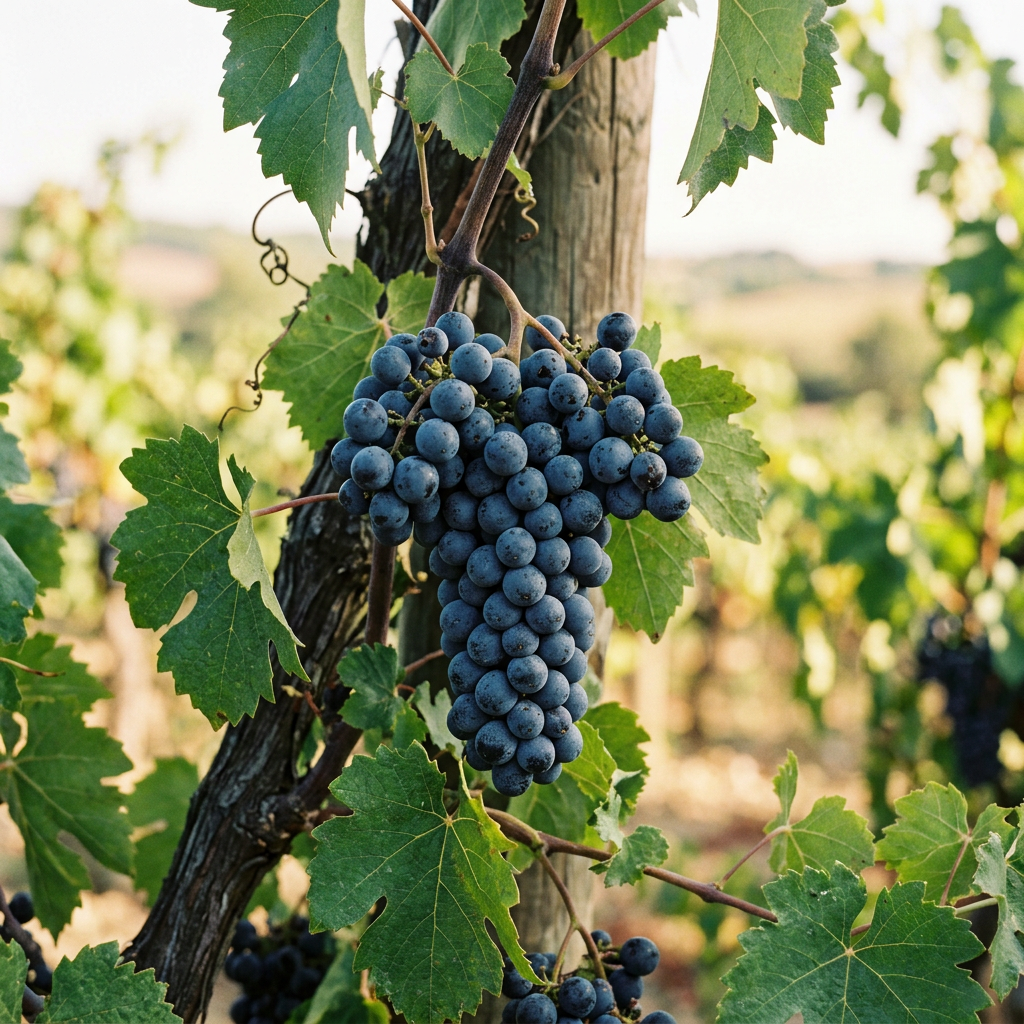
The Tempranillo variety, known in Ribera del Duero as Tinto Fino or Tinta del País, has adapted over centuries to the harsh local conditions. Due to the short growing season, this clone ripens earlier than in other Spanish regions. The morphology of the berries has also changed: they have become smaller, with thicker and tougher skins.

This thick skin protects the berries from sharp temperature fluctuations and intense UV radiation at high altitudes. For winemaking, this is crucial. The skins contain the coloring compounds (anthocyanins) and tannins. The small berry size ensures a high skin-to-juice ratio, giving Ribera del Duero wines their famous deep color and powerful tannic structure.

Furthermore, Tinto Fino responds exceptionally well to oak ageing. The high concentration of tannins and solid acidity allow these wines to develop in the cellar for decades, gradually softening their austere youthful character.

From Vine to Barrel: How Style is Born

Vineyard management and winery practices shaping the modern face of the region.

The Influence of Limestone and Clay Soils

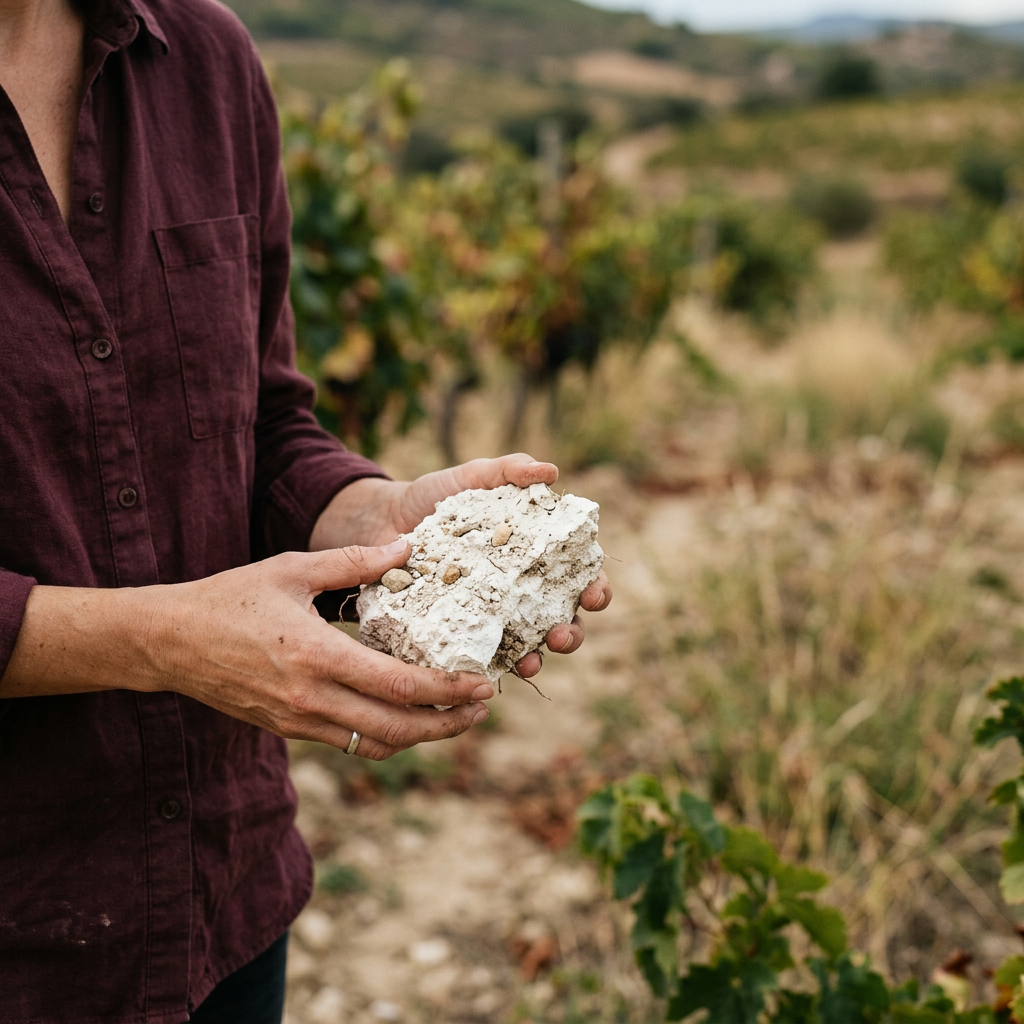
The soil structure in Ribera del Duero is heterogeneous and varies with distance from the riverbed. On the highest terraces, limestone and chalk deposits dominate. Limestone restricts vine vigor and helps retain moisture in deeper layers, which is critical during dry summer months.

Wines from limestone plots exhibit higher acidity, a strict structure, and pronounced freshness. Meanwhile, clay soils on the middle terraces yield more full-bodied, powerful, and fruit-forward expressions. Winemakers often blend grapes from different soil types to achieve a balance of power and elegance.
Alluvial soils near the riverbed contain abundant pebbles and sand. Grapes here ripen faster, producing softer, rounder wines that are ready to drink at a younger age.

Old Vines as a Guarantee of Balance

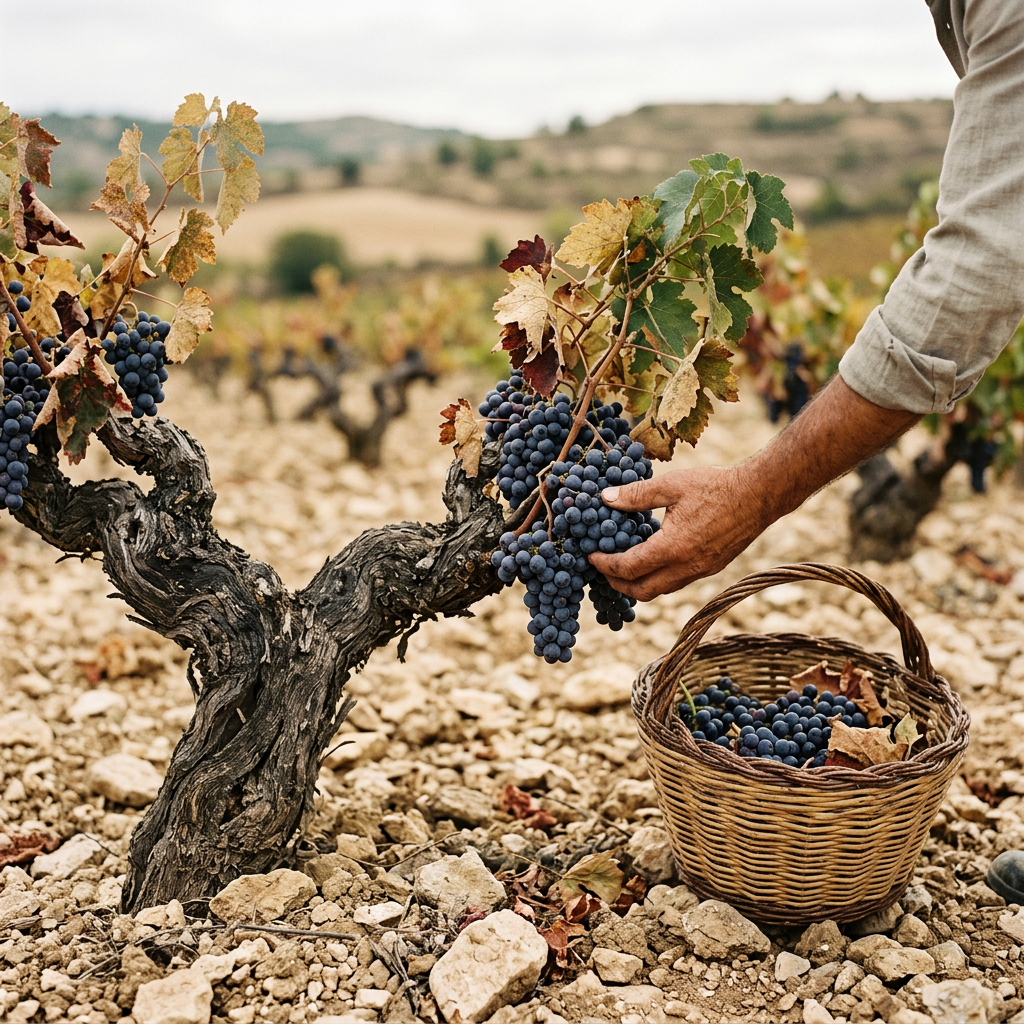
The region boasts a significant heritage of old vines, many exceeding 60–80 years of age, with some pre-phylloxera plots older than a century in certain zones. Old vines possess deep root systems extending up to 15 meters down, reaching aquifers and clay strata.

The yields of these vines naturally drop to a minimum, often not exceeding 1–2 tons per hectare. Berries from old vines ripen more evenly, even in extremely dry years. Wine made from these grapes possesses natural concentration, complex aromatics, and soft, velvety tannins.

Winemakers carefully preserve these vineyards, often employing manual labor and the traditional bush-training system en vaso, which protects the clusters from sunburn.

The Evolution of Ageing and Oak Profile

Historically, Ribera del Duero was associated with prolonged ageing in new American oak, which imparted sweet notes of vanilla, coconut, and dill. Today, the region's winemakers increasingly favor medium-toast French oak, larger vessels (500 liters and above), and concrete vats.

The modern approach aims to preserve the primary fruit of Tinto Fino and the terroir characteristics of the vineyard. Oak is no longer meant to dominate the aromatics. Instead, it serves as a tool for controlled micro-oxygenation, helping to soften powerful tannins and stabilize the wine's color.

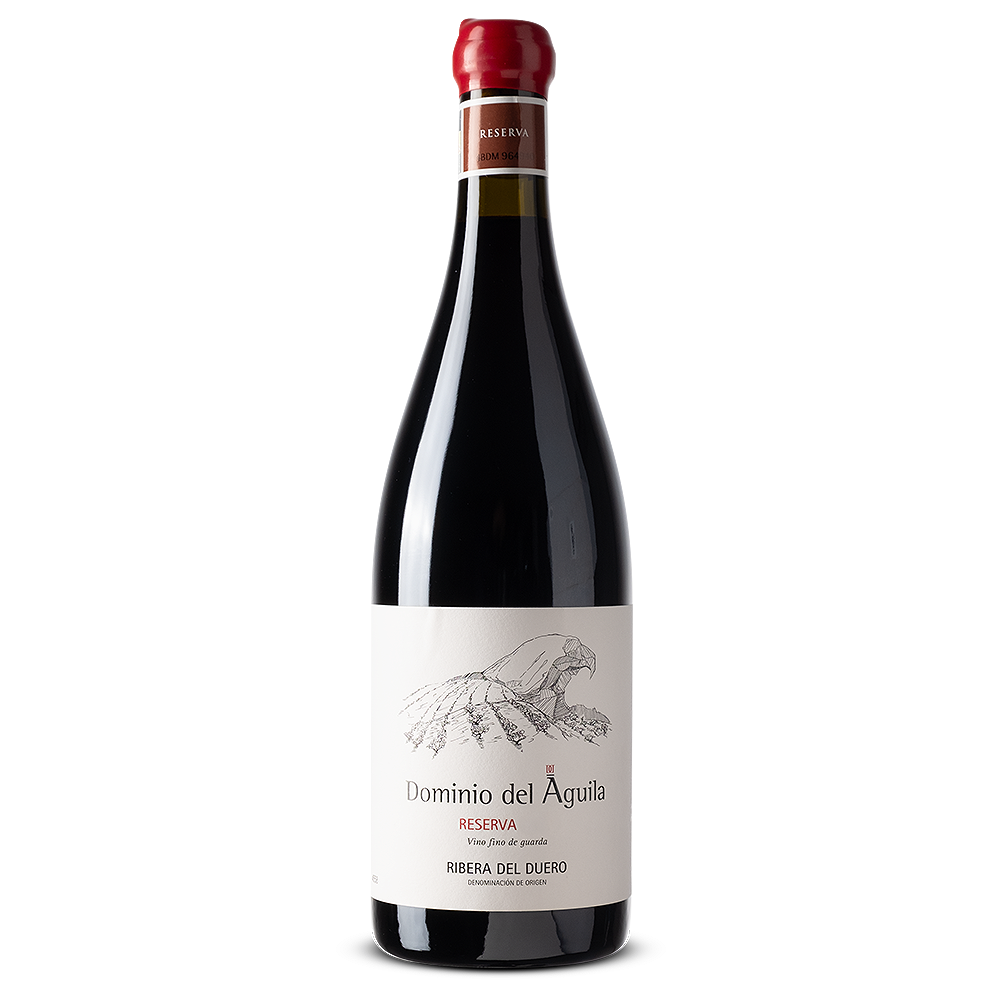
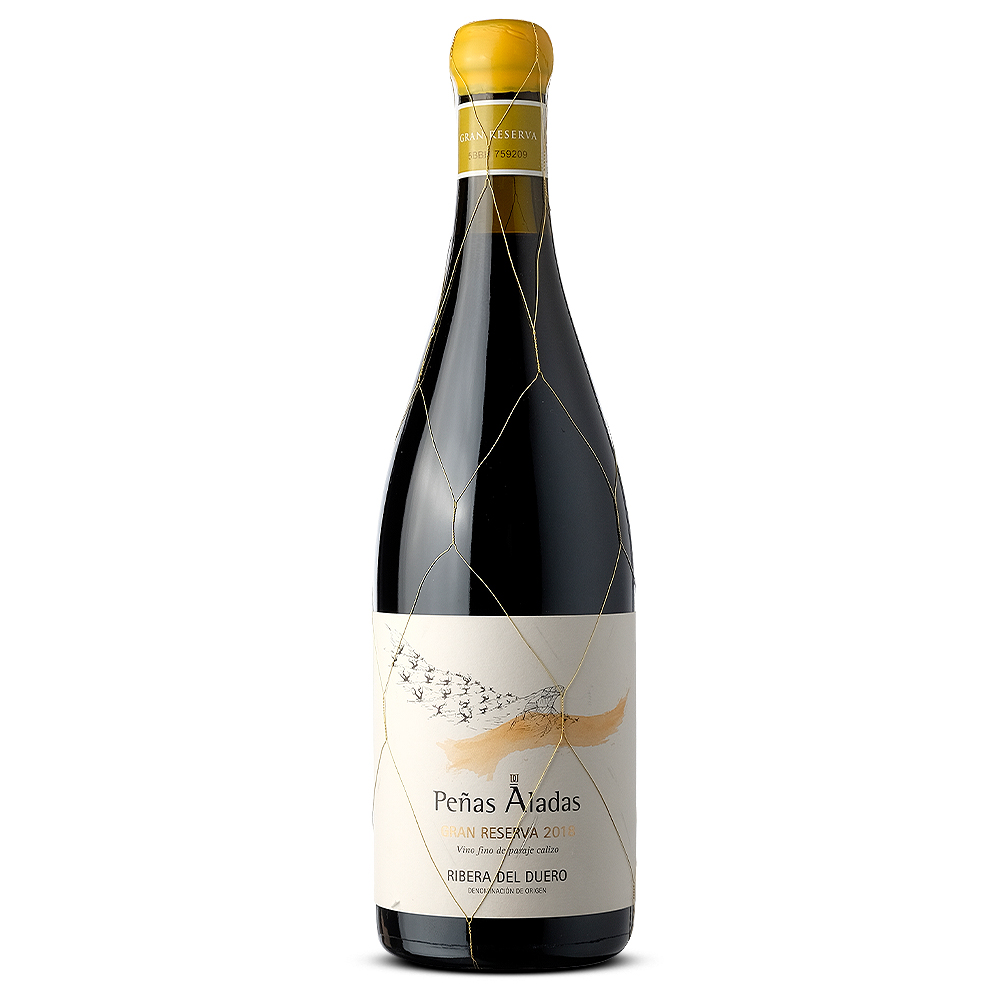
Nevertheless, the classic categories of Crianza, Reserva, and Gran Reserva remain, guaranteeing consumers a specific level of oak and bottle ageing before release.

Regional Differences: Three Zones of Ribera del Duero

The region's 115-kilometer stretch along the Duero River creates distinct variations in wine styles.

Western Zone (Valladolid Province)

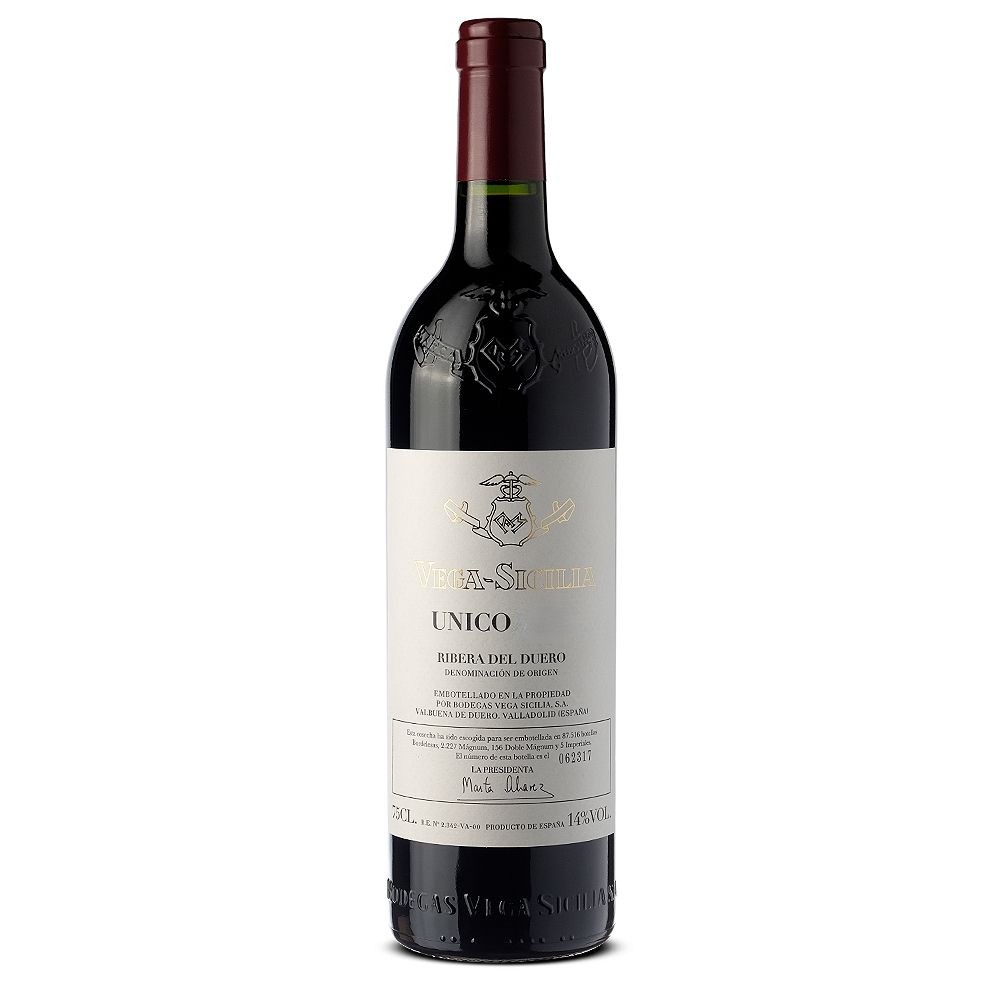
This zone is home to historic wineries, including the legendary Vega Sicilia. The climate here is milder due to the river's influence, and the soils are predominantly limestone and clay. Wines from this area are considered classic: they possess a powerful structure, pronounced acidity, and exceptional ageing potential.

Central Zone (Burgos Province)

Burgos concentrates the largest number of vineyards in the region. Altitudes here reach 850 meters, and the climate becomes harsher. Wines from Burgos are often characterized by maximum concentration, dark color, dense tannins, and vibrant notes of black berries and spices.

Eastern Zone (Soria Province)

The coolest and highest part of the region (up to 1,000 meters). Many very old vines survive here on sandy-limestone soils. Due to the cold climate, grapes ripen slowly, yielding wines with a lighter body, high acidity, and a complex, almost perfumed aroma.

Would you like to experience the region's character?

Our collection features both classic releases from legendary bodegas and modern wines from young Ribera del Duero winemakers. Explore our catalog to select your perfect wine.

Learn more
Home
Favorites
Catalog
Cart
Log in