





























AOC Champagne
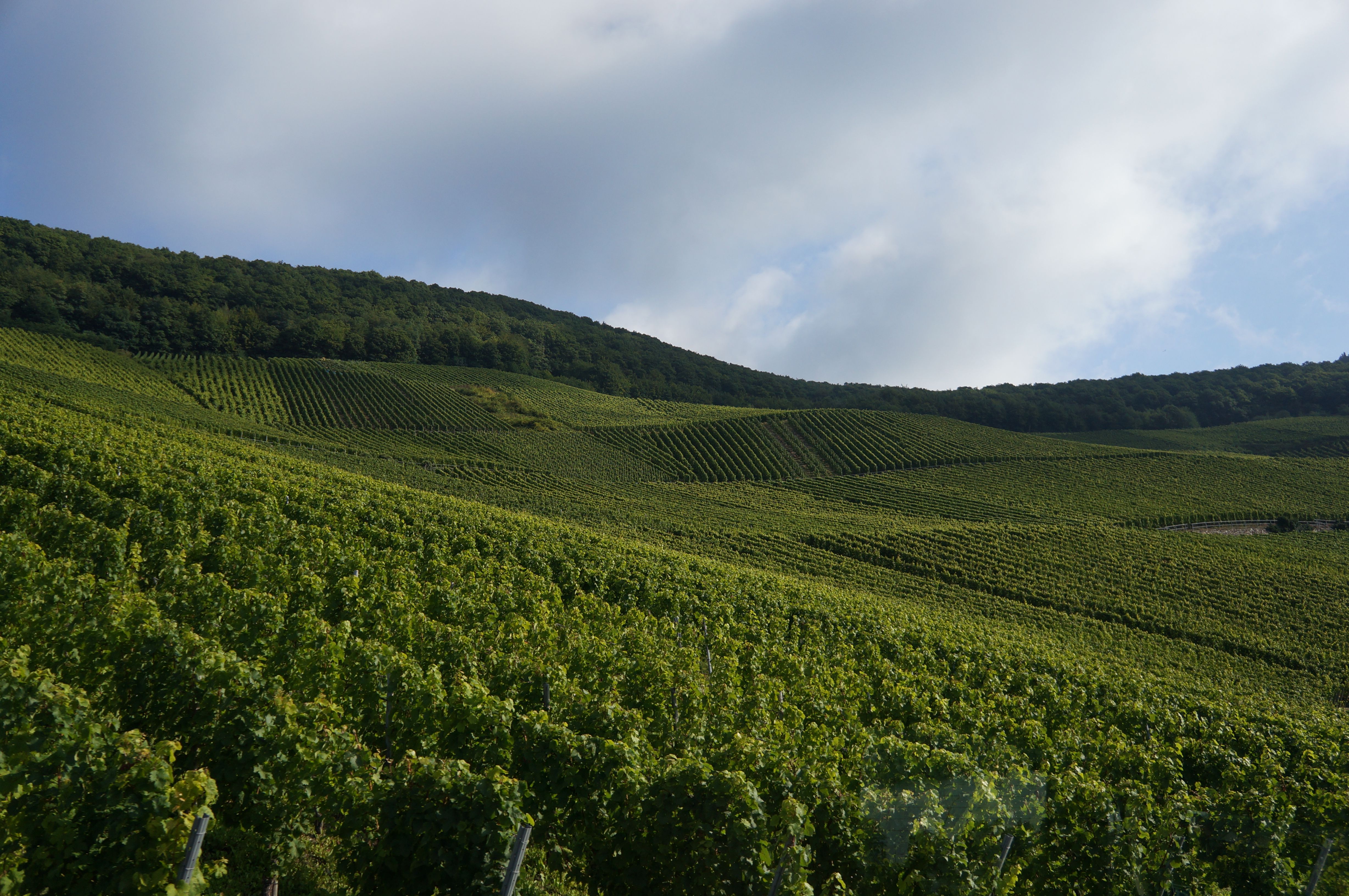
Only sparkling wine made in the Champagne region of north-eastern France, about 150 km from Paris, may be called Champagne. It is one of Europe’s northernmost wine regions: the climate is cold and the subsoil is chalk, a white limestone that holds water and gives the wines their finesse and tension. The main areas are the Montagne de Reims, the Vallée de la Marne, the Côte des Blancs and the Côte des Bar. Of the region’s more than 300 villages, only 17 hold Grand Cru status.
Three grapes make almost all Champagne: Chardonnay brings elegance and citrus freshness, Pinot Noir body and structure, and Pinot Meunier fruit and roundness. The wine undergoes its second fermentation in the bottle and rests on its lees for at least 15 months, or at least three years for vintage wines. The same region also produces Coteaux Champenois, still white and red wines rarely seen outside France.
Champagne styles
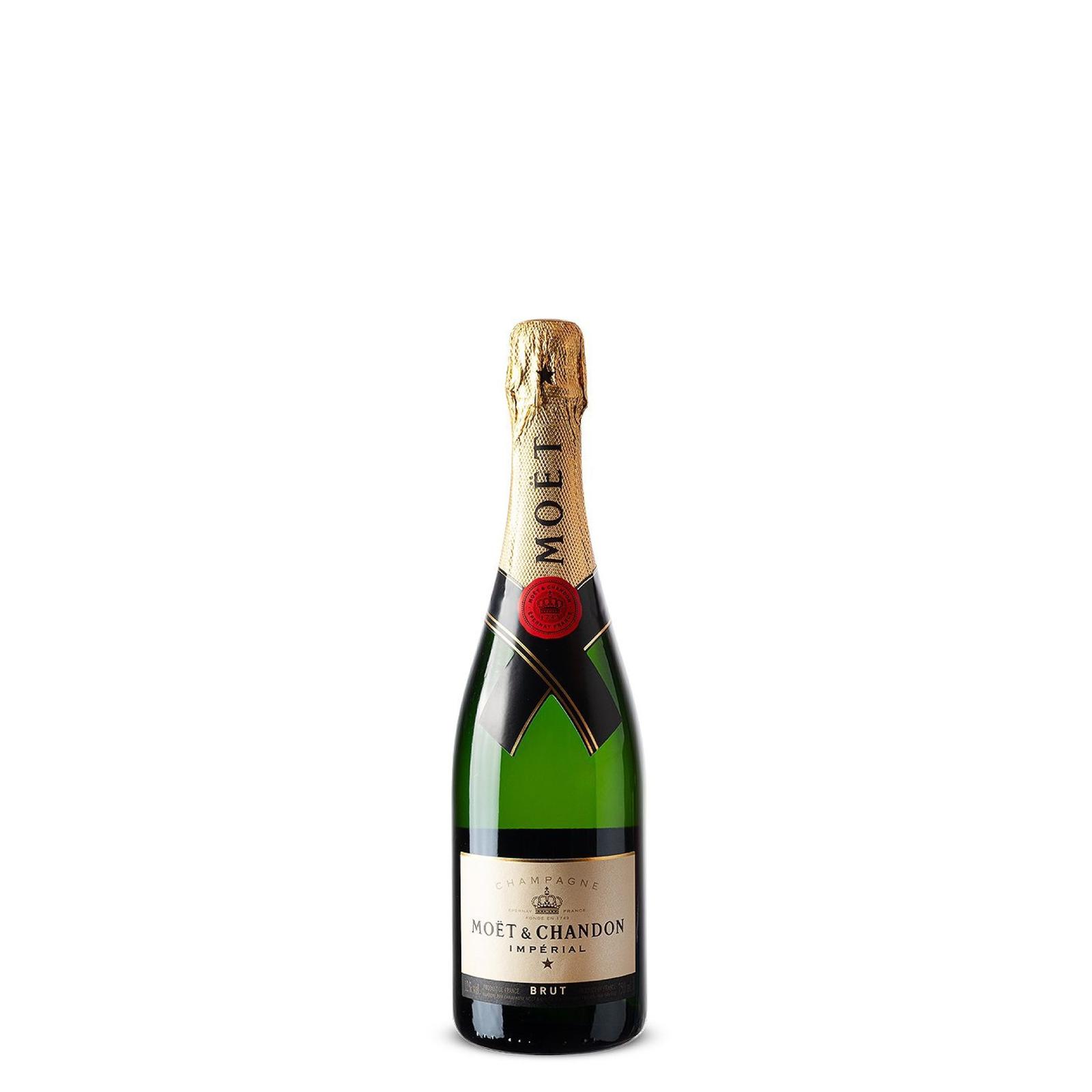
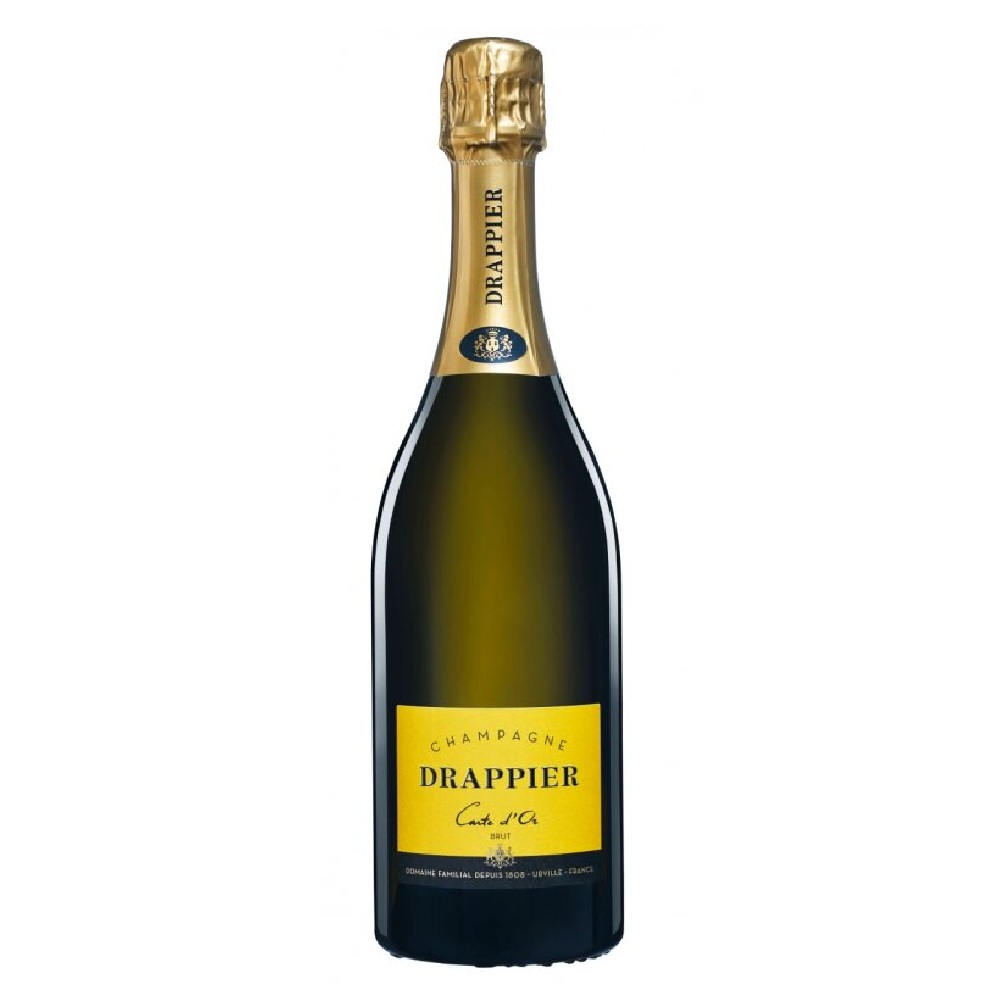
Non-vintage brut: a blend of several harvests that defines each house’s style.
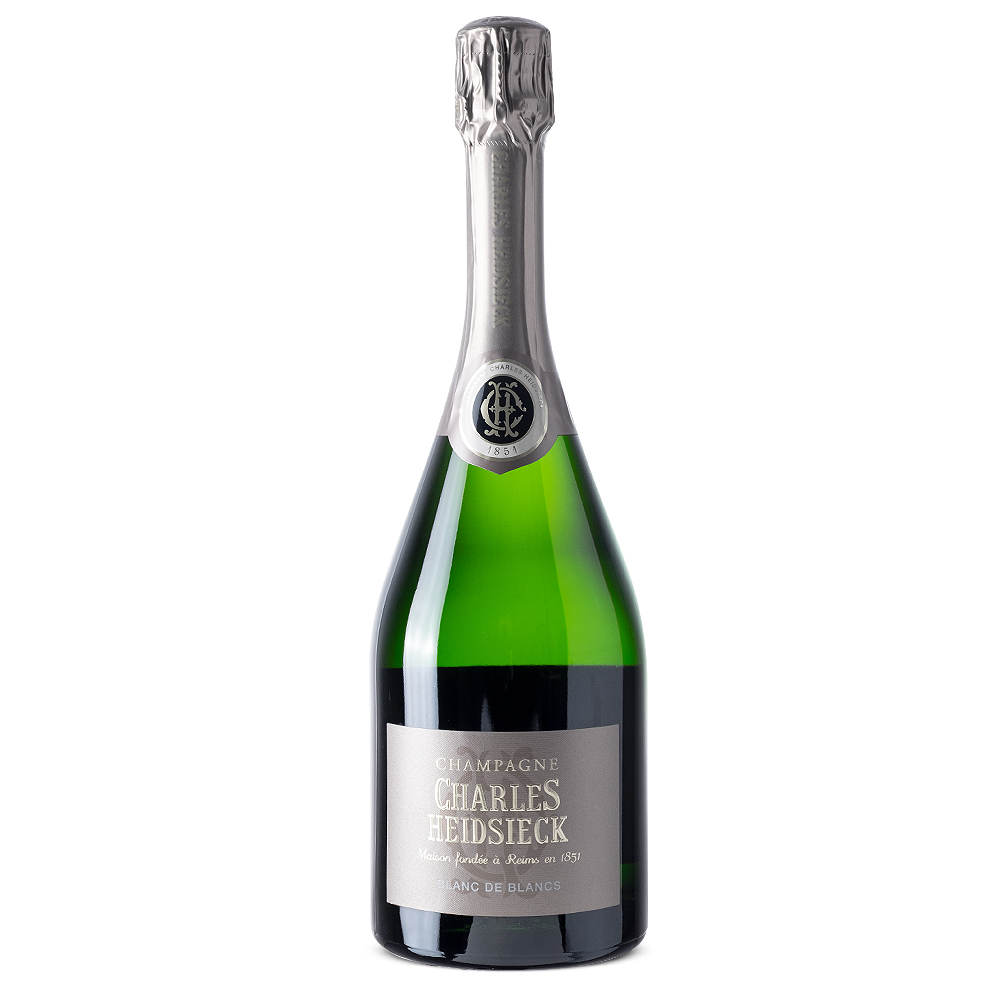
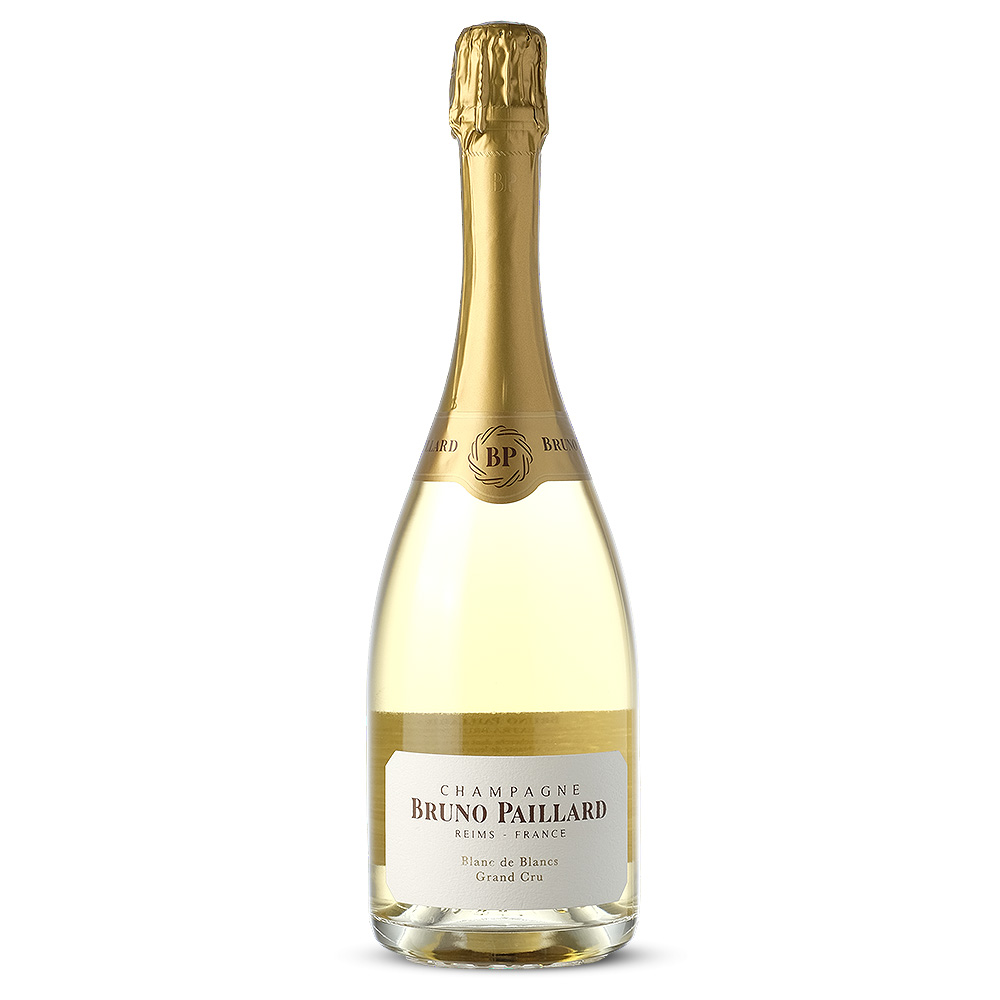
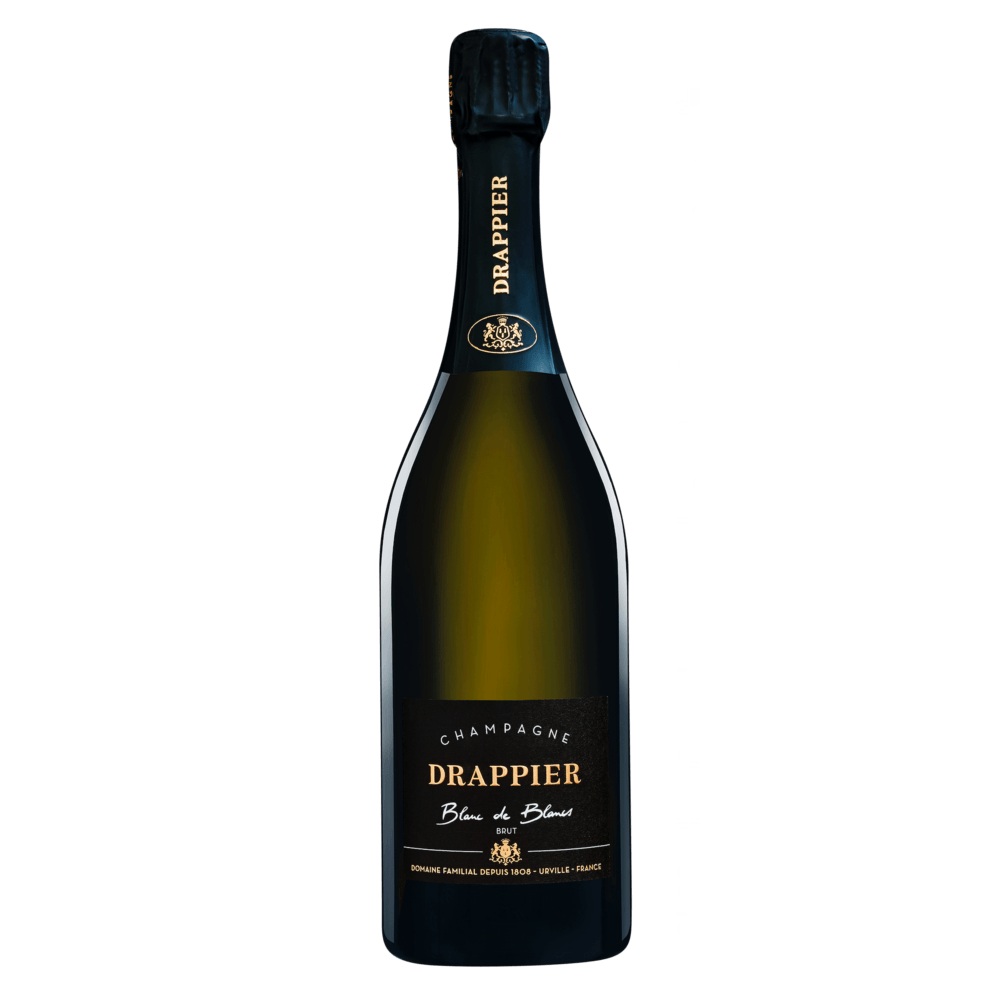
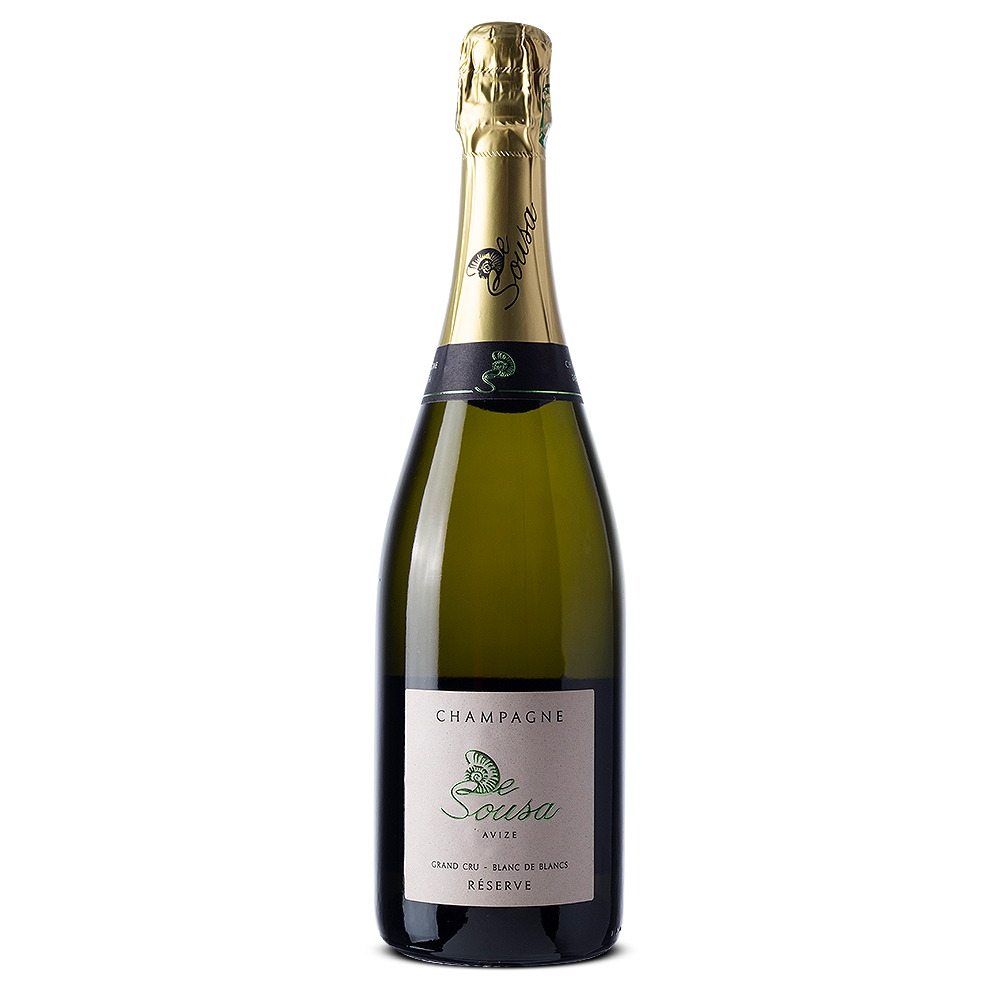
Blanc de Blancs: 100% Chardonnay. Fine, citrusy and very elegant.
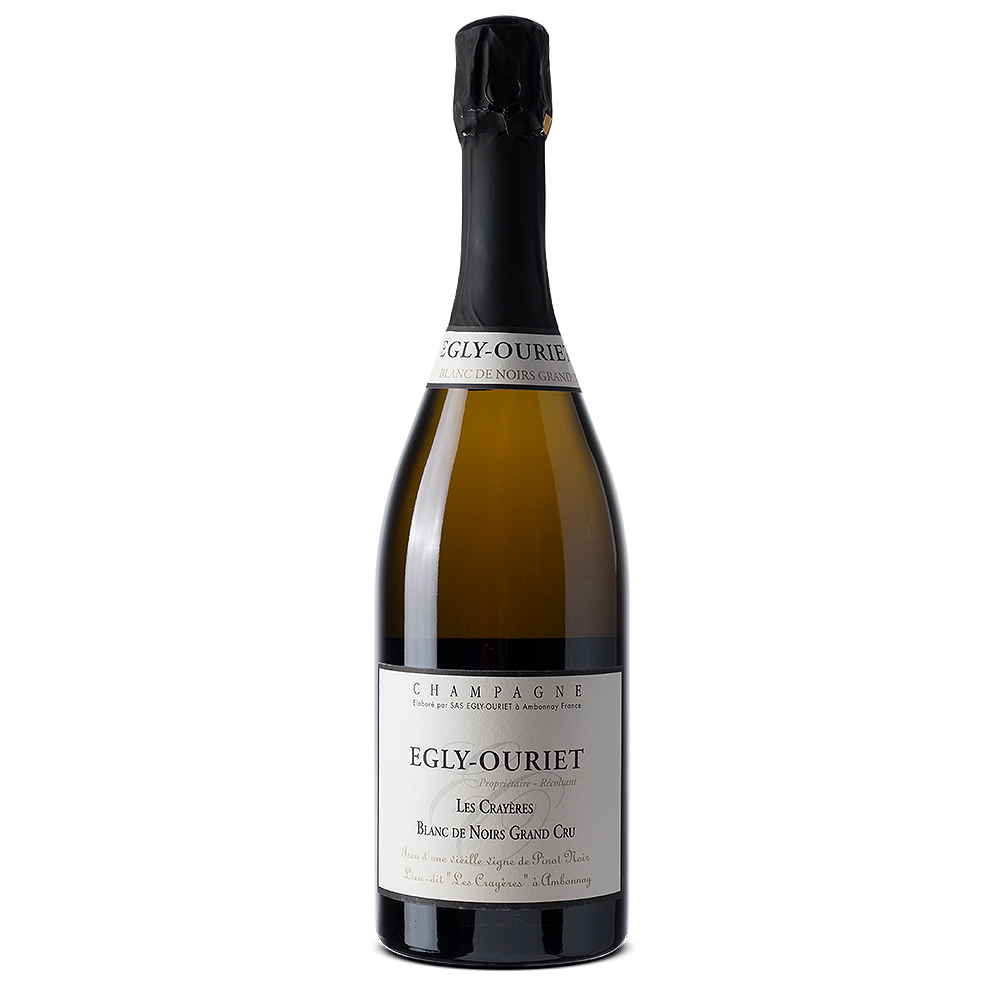
Blanc de Noirs: red grapes only, Pinot Noir and Meunier. Fuller, with red-fruit notes.
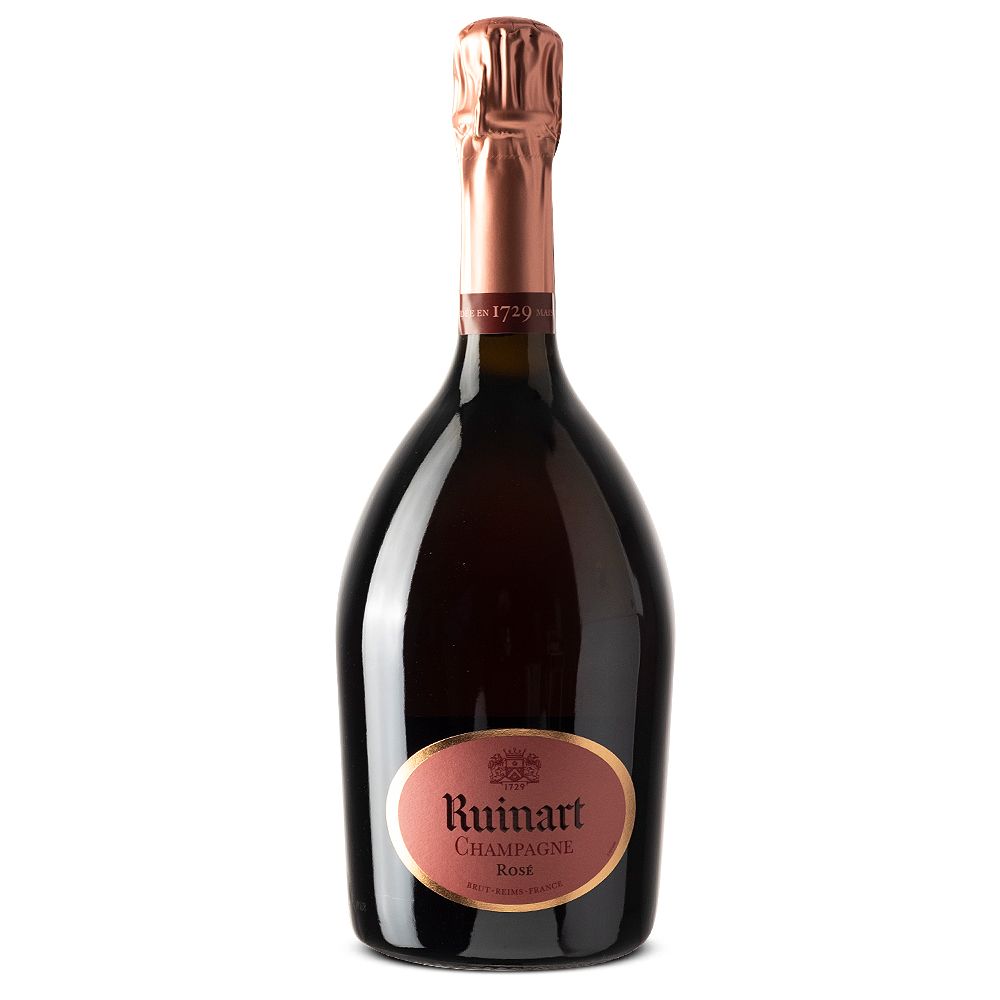
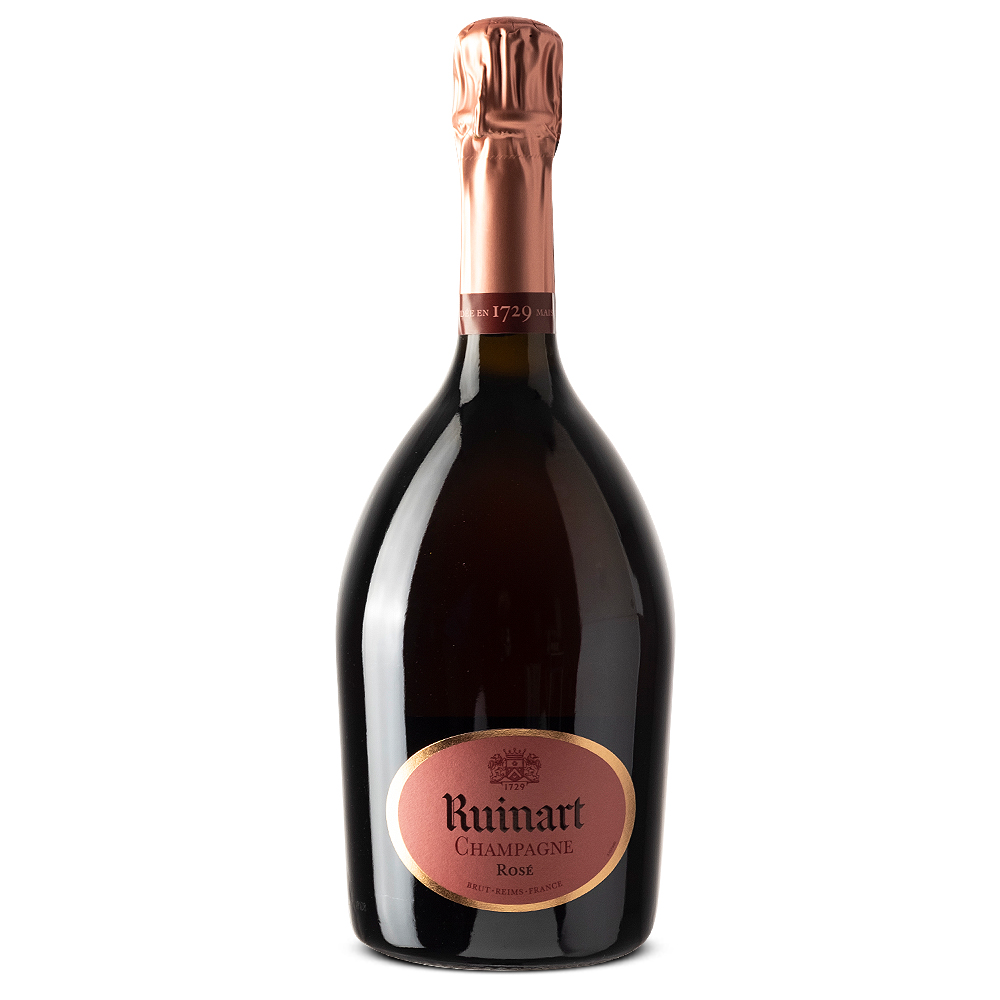
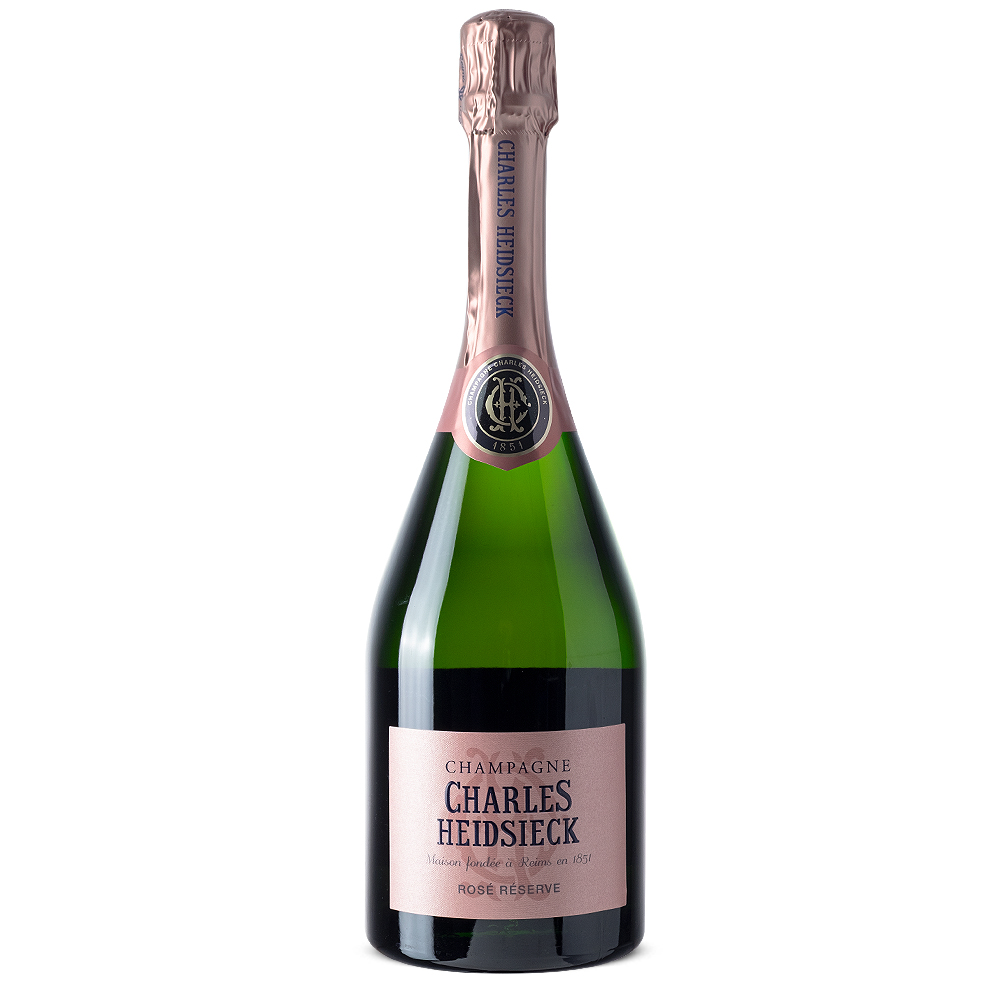
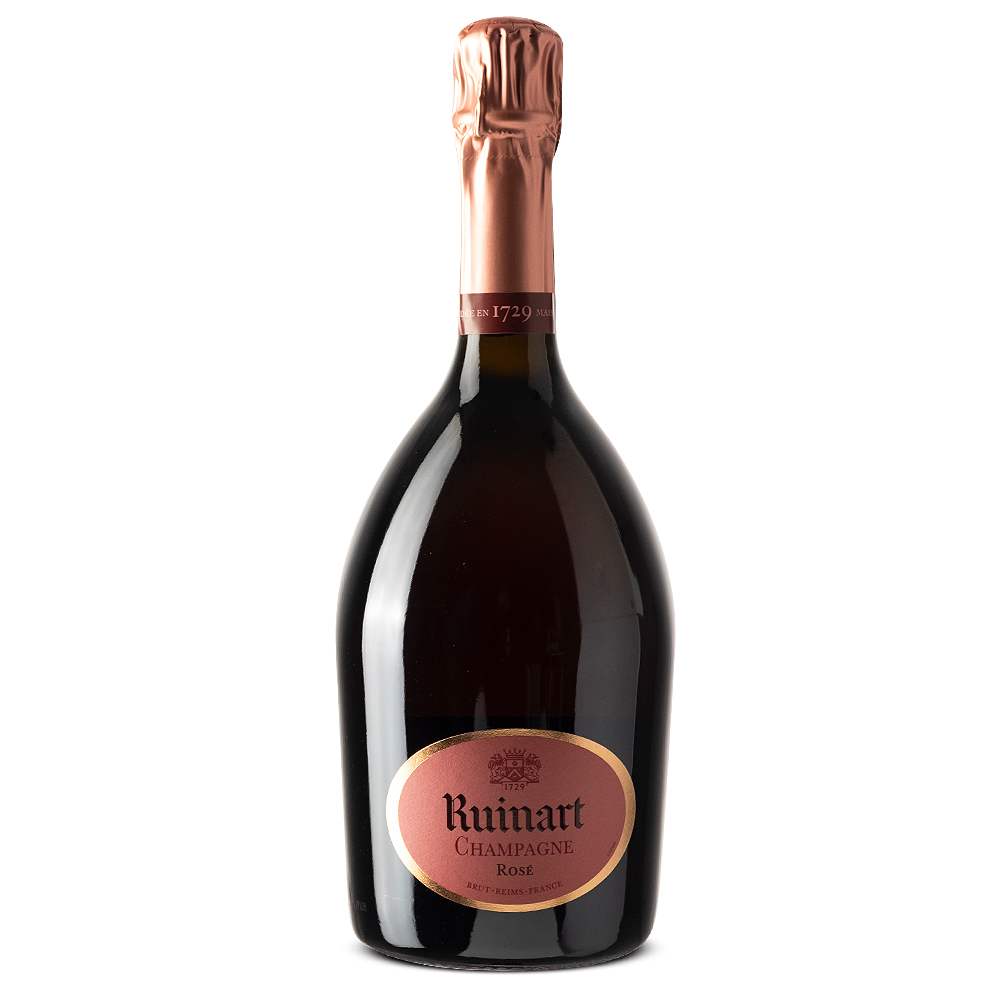
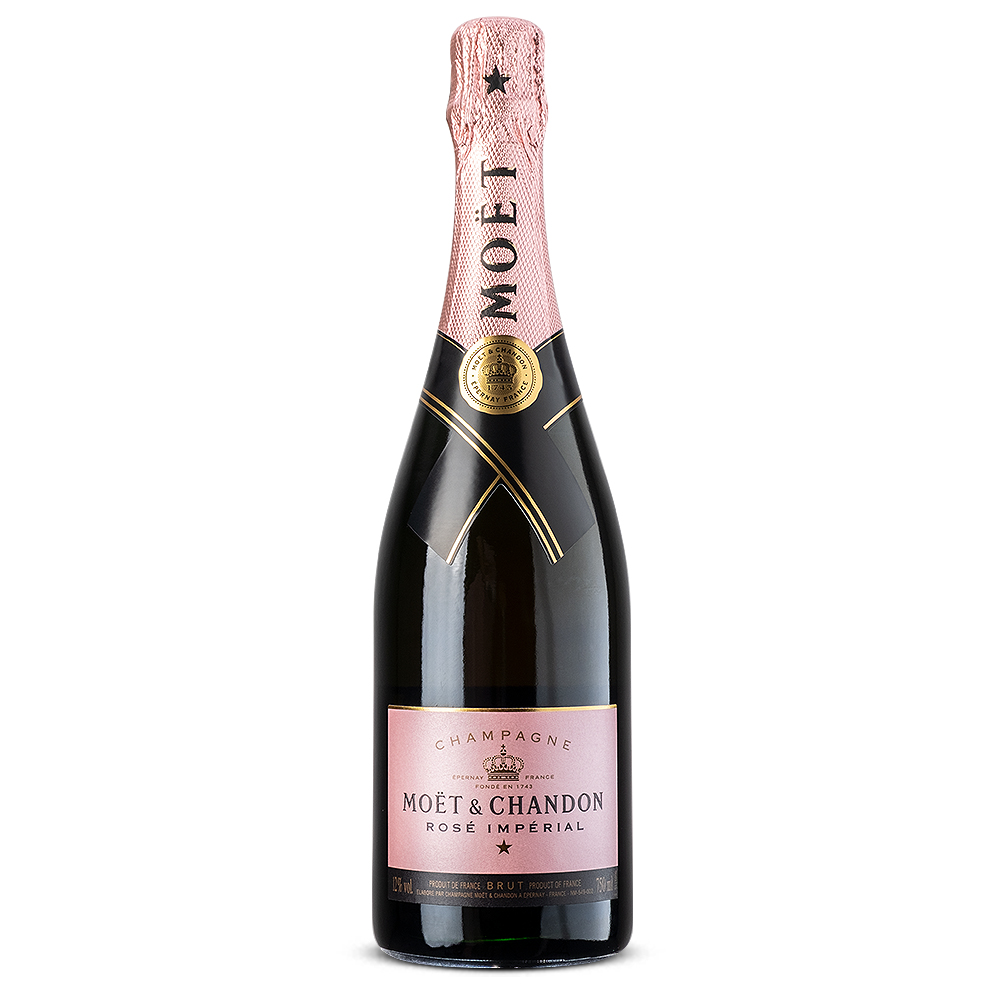
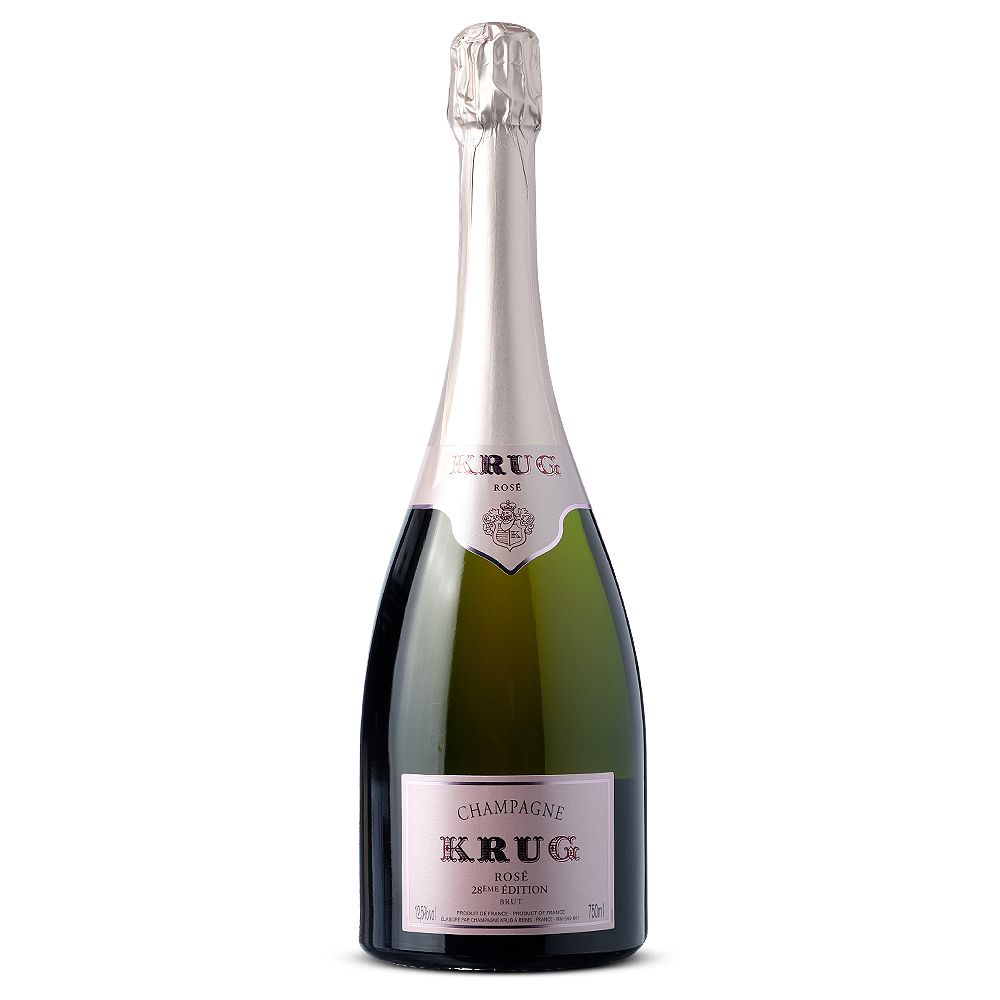
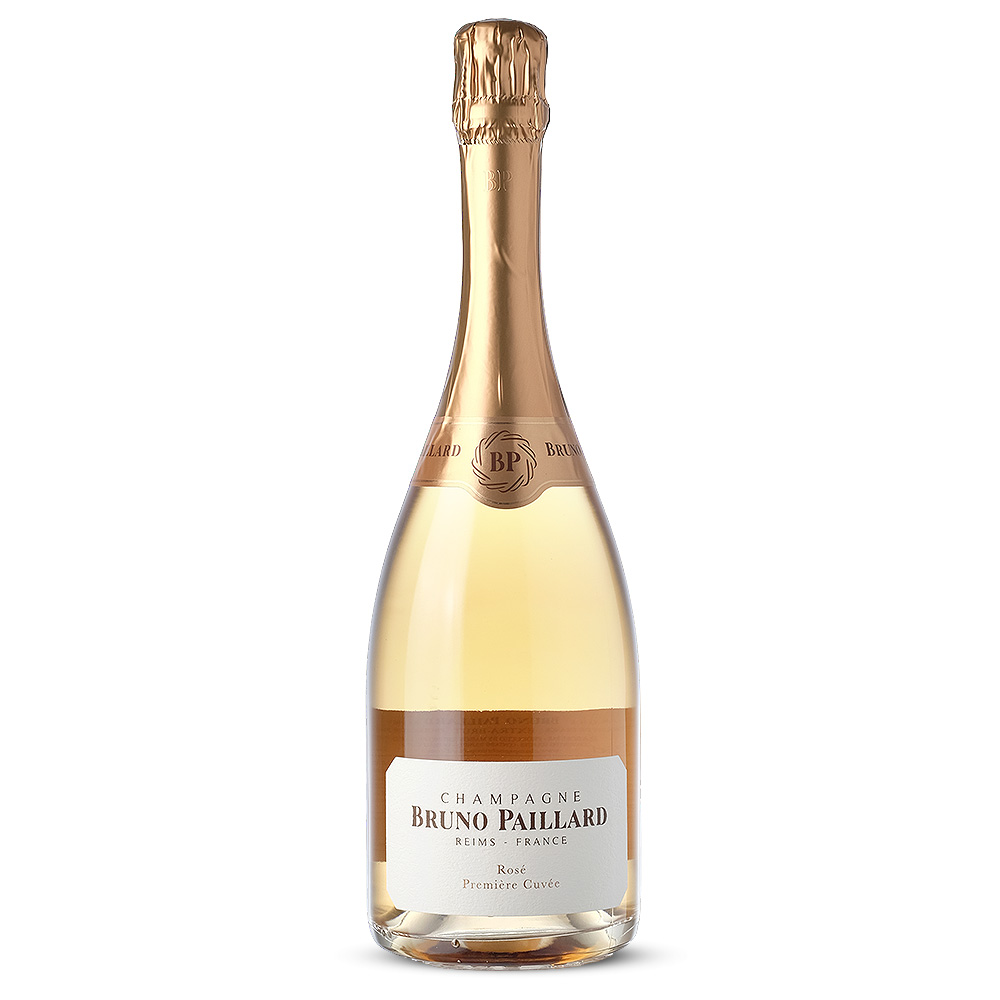
Rosé: fresh and fruity, often made by adding a little Champagne red wine.
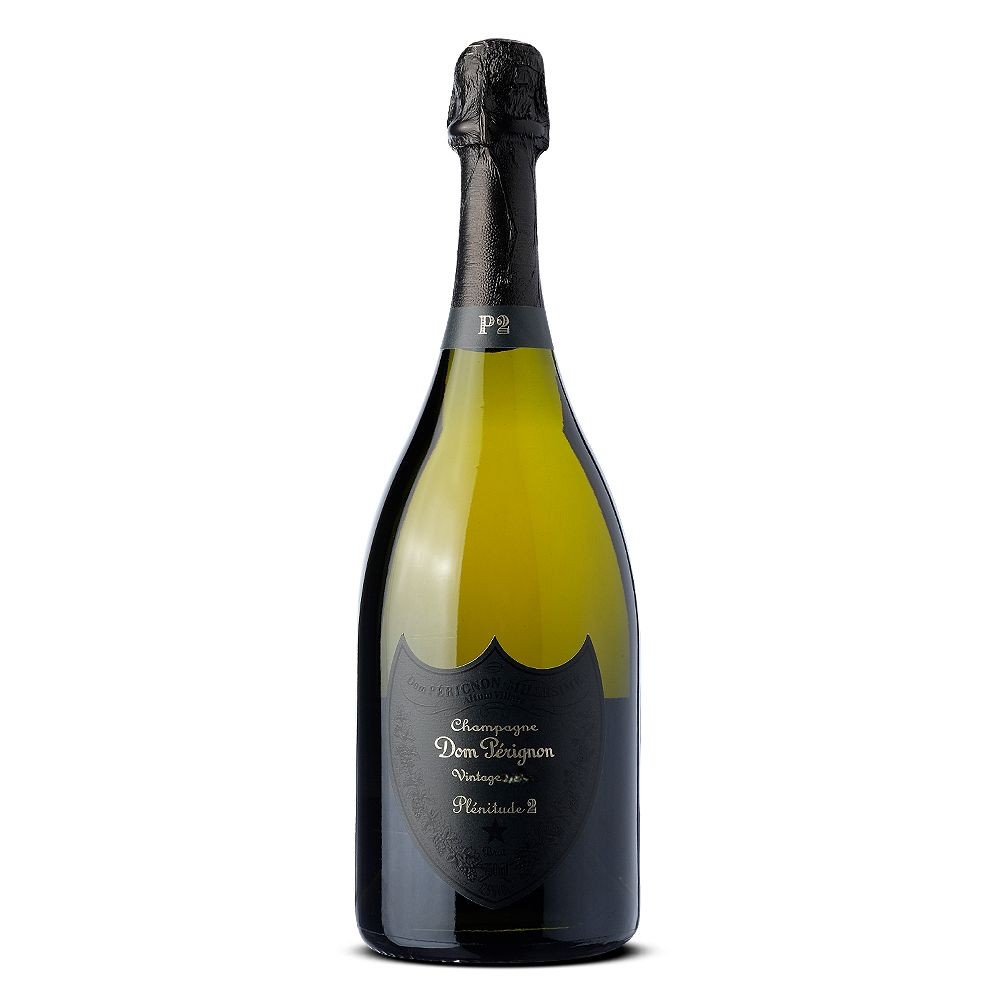
Vintage (millésimé): from a single exceptional harvest, with more complexity and ageing potential.
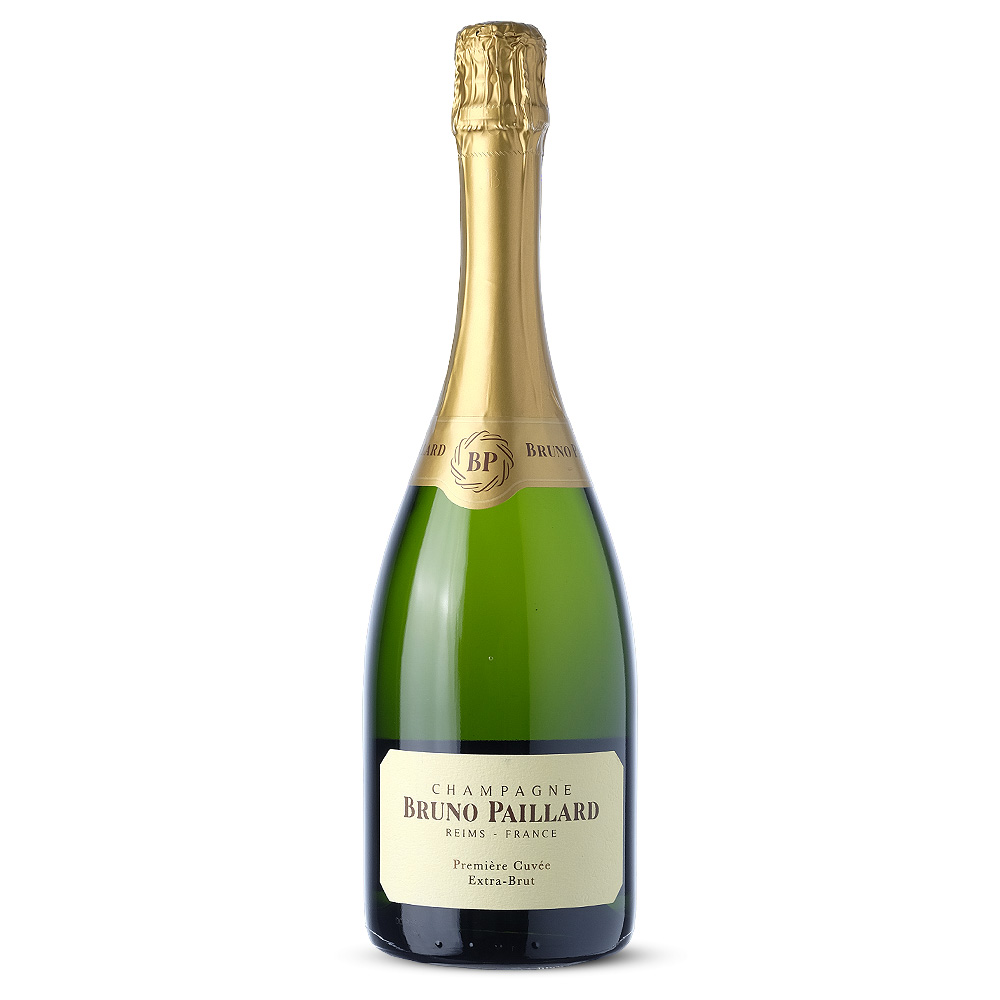
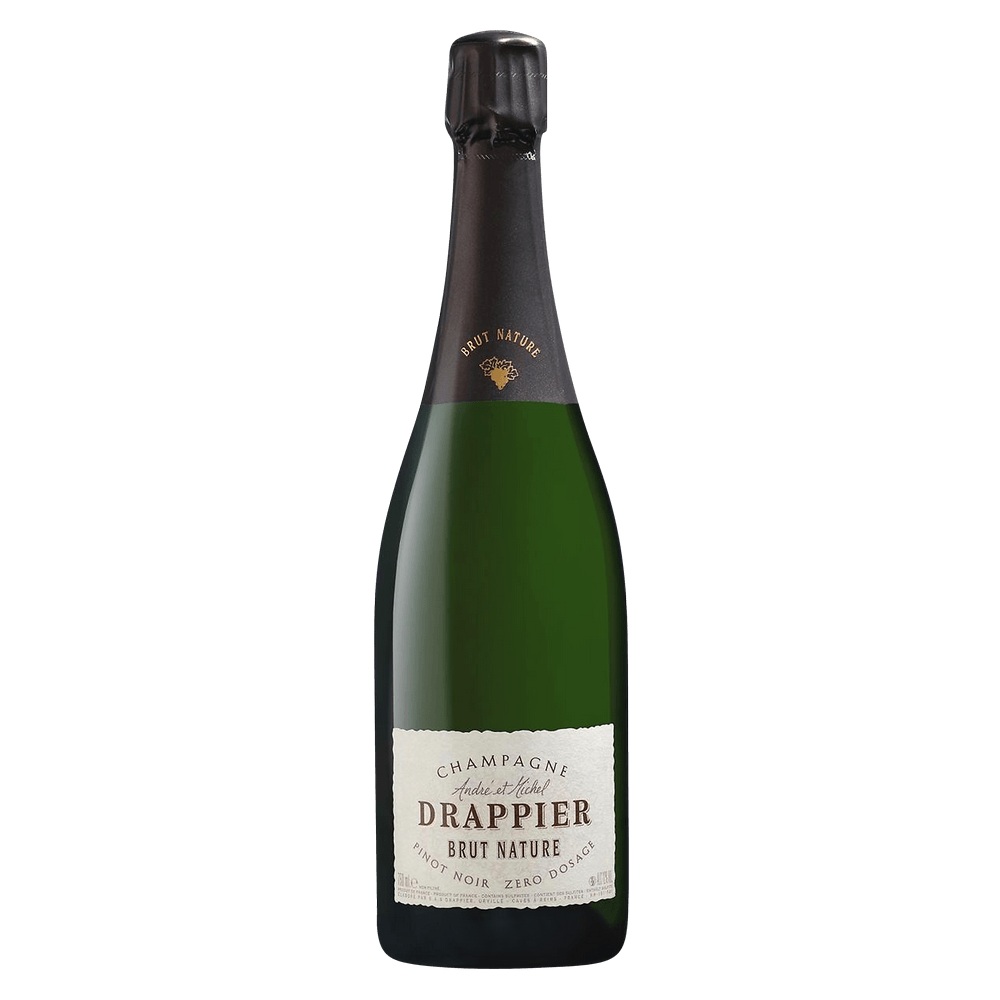
By sweetness, from driest to sweetest: brut nature, extra brut, brut, extra dry, sec, demi-sec and doux.
Great houses and grower Champagne
Alongside the great maisons, with styles recognisable year after year, there is growing interest in récoltants-manipulants: growers who make wine from their own vines and express the character of a particular village or plot. On the label they are marked RM; houses that buy in part of their grapes appear as NM.
What to pair with Champagne
As an aperitif, with oysters or caviar, a Blanc de Blancs. With seafood and sushi, a brut nature or extra brut. With Ibérico ham, salmon or tuna tartare, a rosé. With roast poultry and mushroom dishes, a Blanc de Noirs. With truffled dishes or an aged cheese such as Comté, a vintage Champagne. And with foie gras or lightly sweet desserts, a demi-sec.