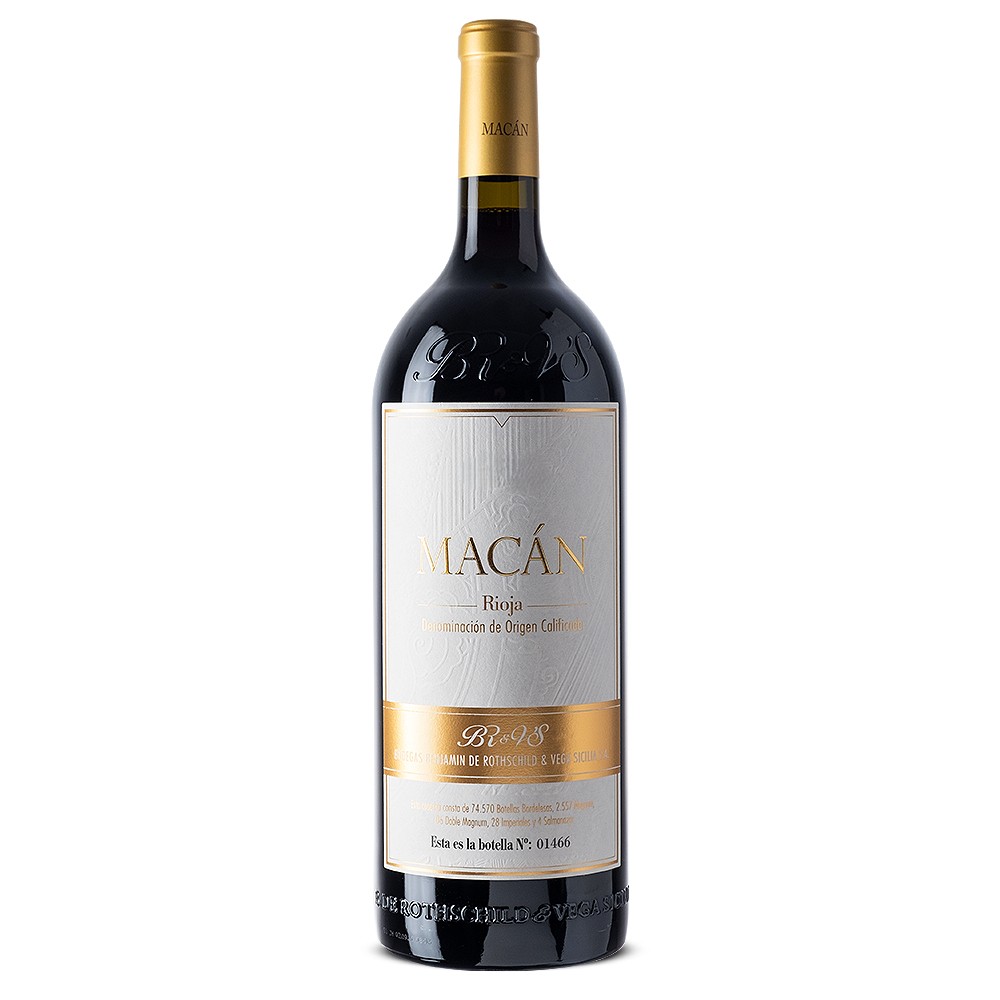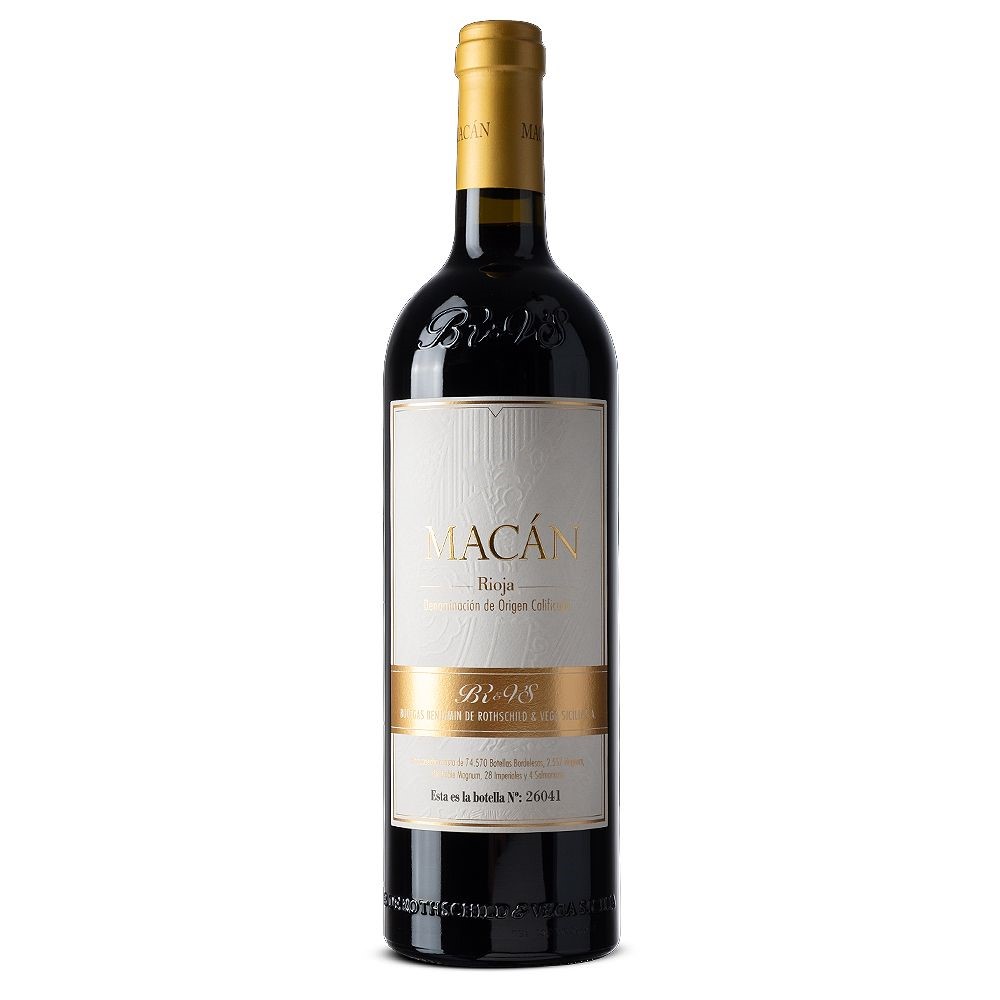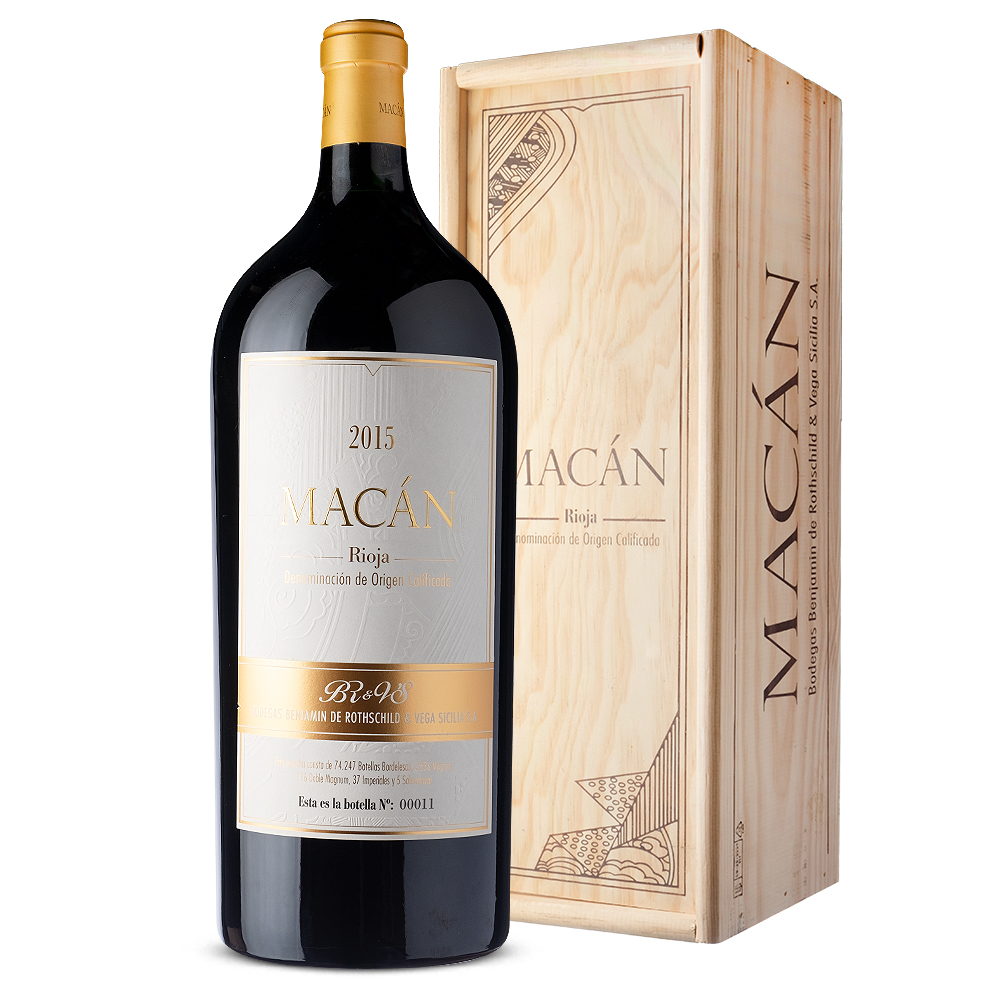



The New Classic of Rioja: Vega Sicilia and Rothschild

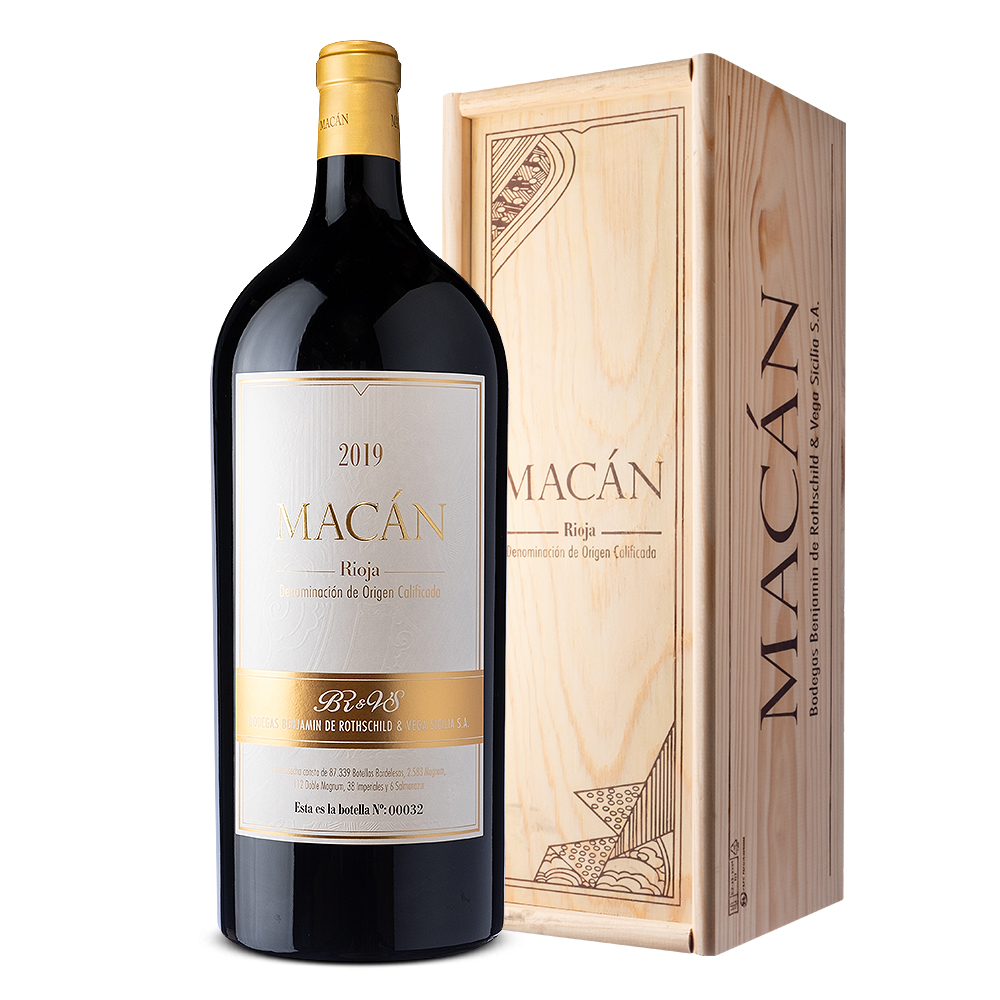
The Bodegas Benjamin de Rothschild & Vega Sicilia project combines the expertise of two great winemaking dynasties in Rioja Alavesa. The Macán and Macán Clásico wines created here offer a modern take on traditional Tempranillo. This alliance demonstrates how a Bordeaux-style classification system reshapes the understanding of Rioja's terroir.

A Legend Born in Rioja Alavesa

How two winemaking families searched for the ideal terroir to create a great wine.

What is the Macán Project

The Macán project began in 2004 as a secret alliance between the Álvarez family, owners of the iconic Vega Sicilia, and Baron Benjamin de Rothschild. Instead of purchasing an existing bodega, the partners spent several years acquiring small plots from local growers in the Rioja Alavesa sub-region. The goal was to create a wine combining the power of Spanish Tempranillo with the elegance of the Bordeaux school.

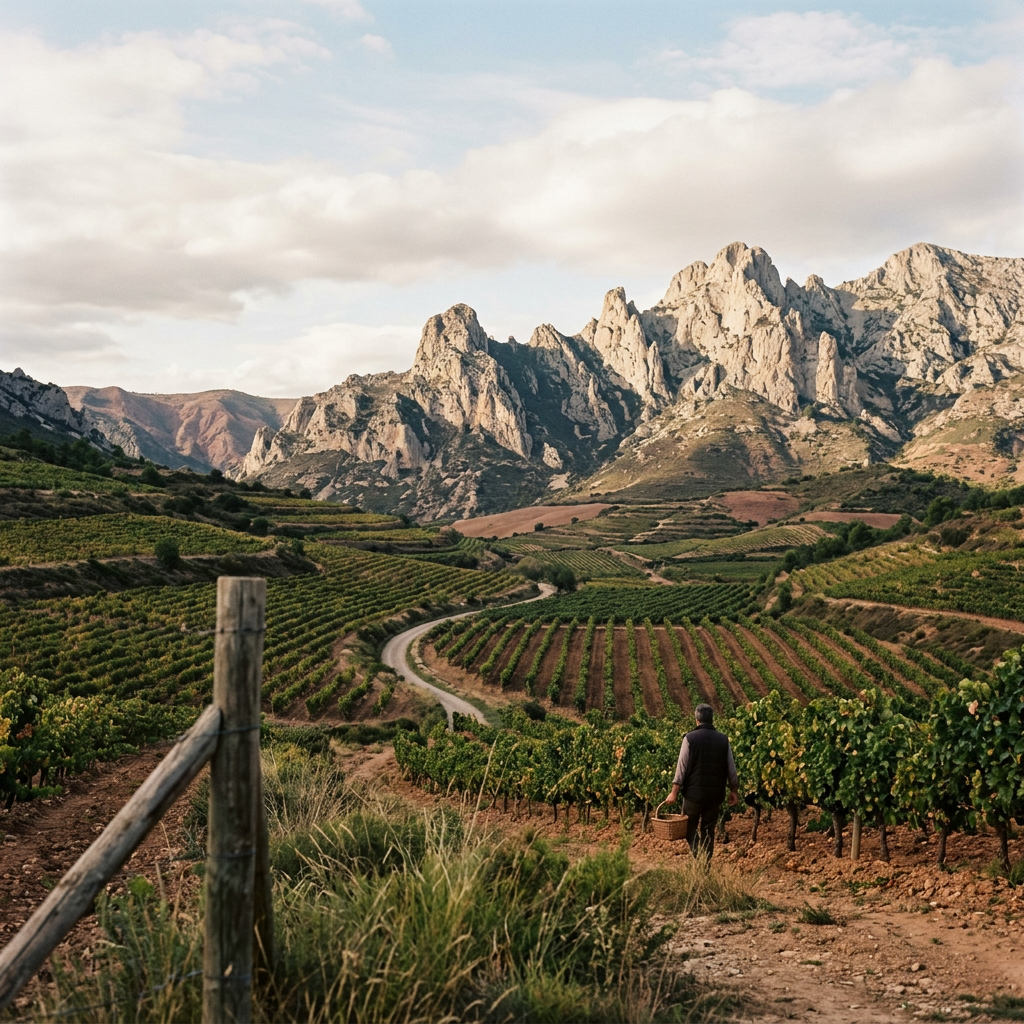
The choice fell on the foothills of the Sierra de Cantabria, where a cool Atlantic climate meets protection from northern winds. Here, grapes ripen more slowly, retaining high acidity and freshness. The name Macán comes from a historical nickname for the inhabitants of the local village, San Vicente de la Sonsierra.

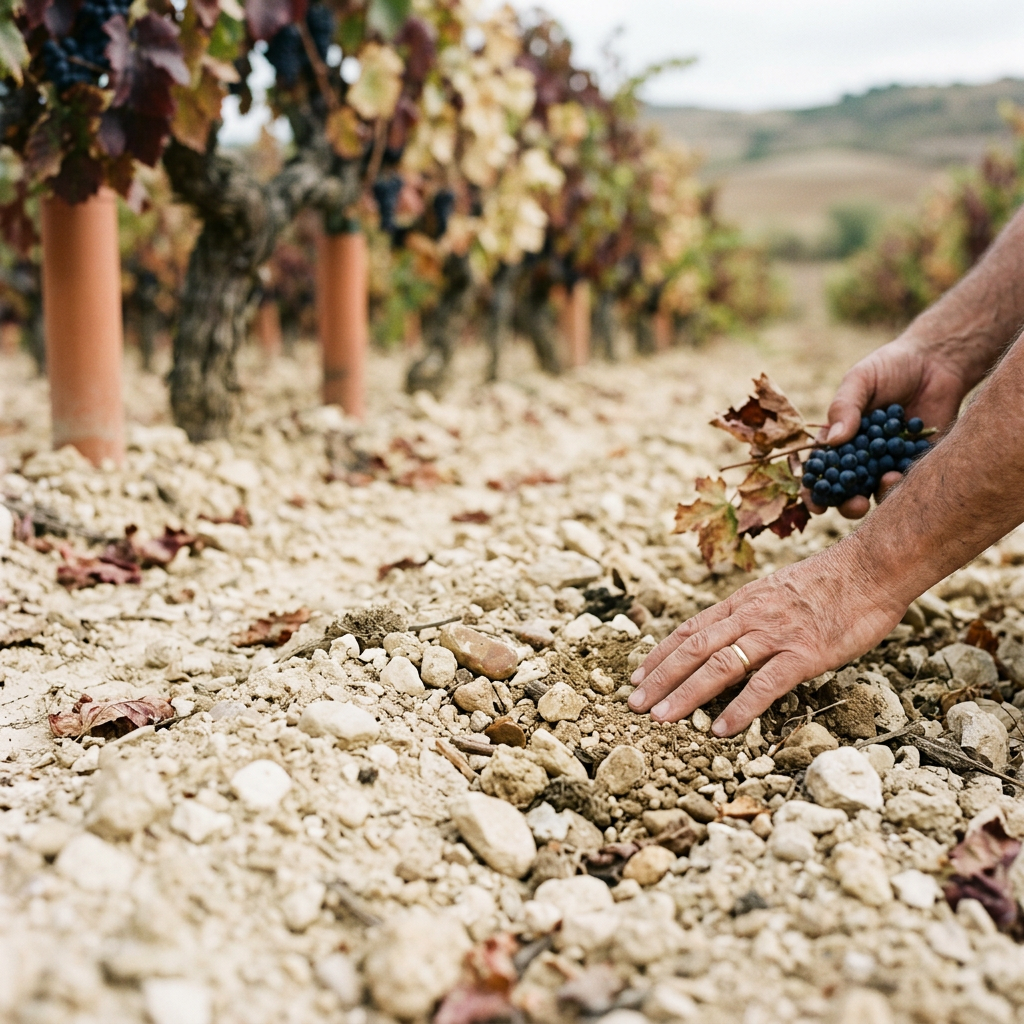
Terroir Factors of Rioja Alavesa

01

Clay-limestone soils

Ensure optimal water balance and shape an elegant structure.

Clay-limestone soils
02

Sierra de Cantabria

Protects vineyards from cold winds and excess moisture.

Sierra de Cantabria
03

Altitude

Plots at 350–500m ensure cool nights for fresh berries.

Altitude
04

Old Tempranillo vines

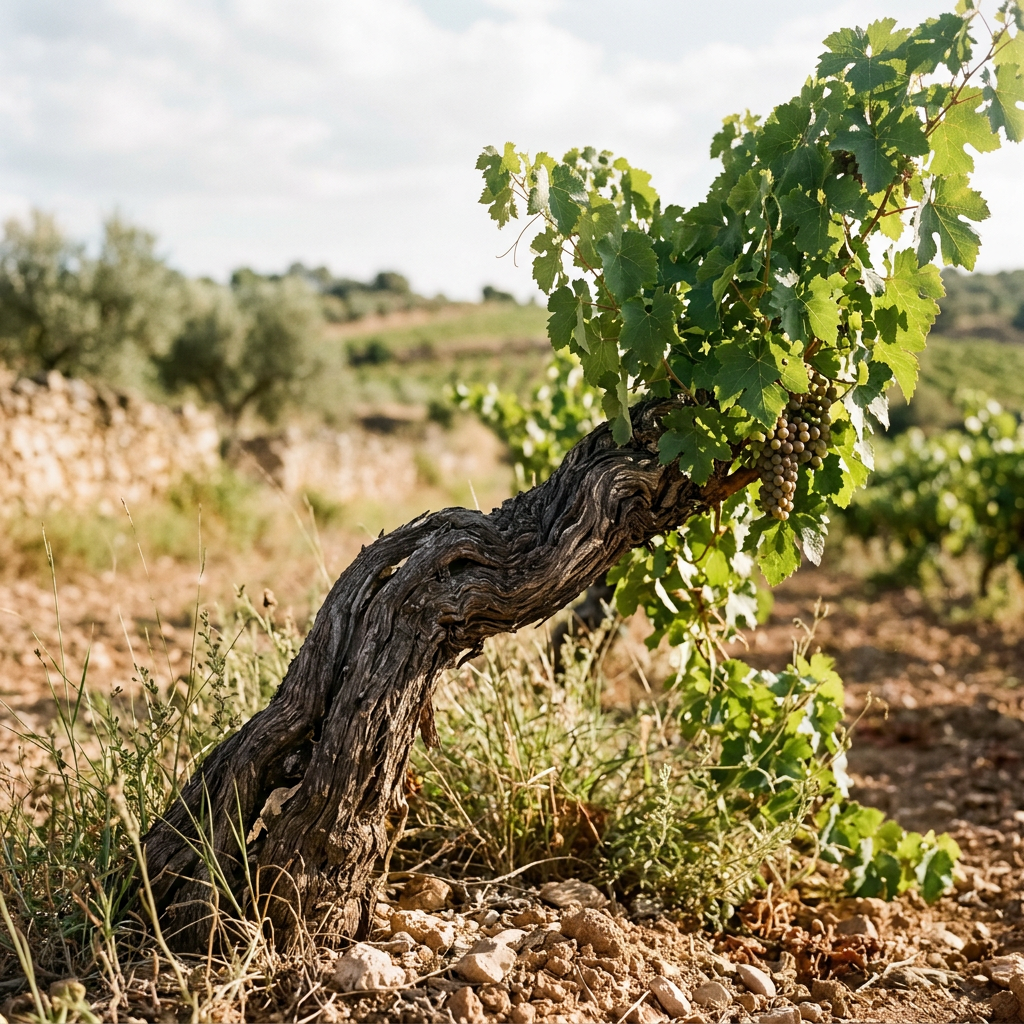
Vines over 40 years old naturally increase concentration.

Old Tempranillo vines

Bordeaux Approach on Spanish Soil

Unlike the traditional Rioja classification based on oak ageing time (Crianza, Reserva, Gran Reserva), Macán applies the classic Bordeaux model. Grapes from all plots are vinified separately, and only after blind tastings is it decided which portion goes into the first wine and which into the second. This maintains consistently high quality regardless of vintage variations.

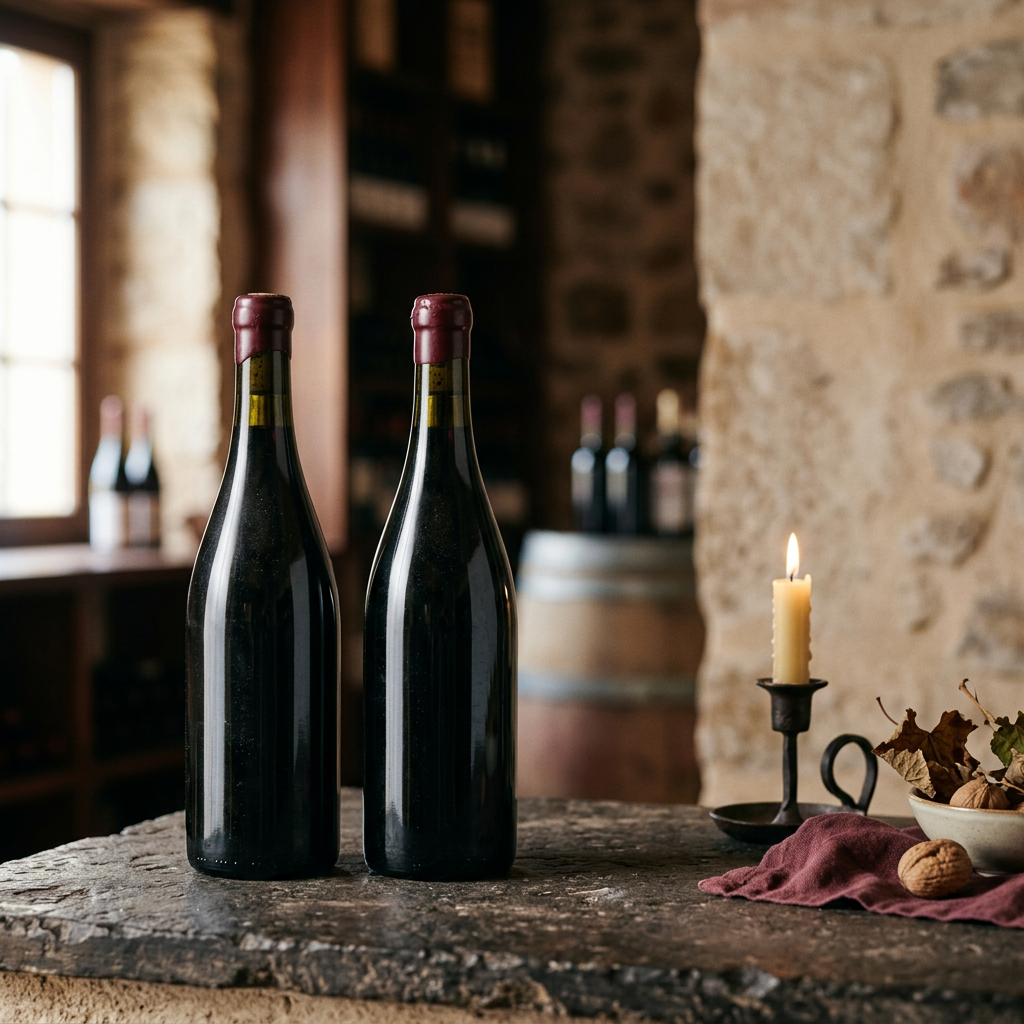
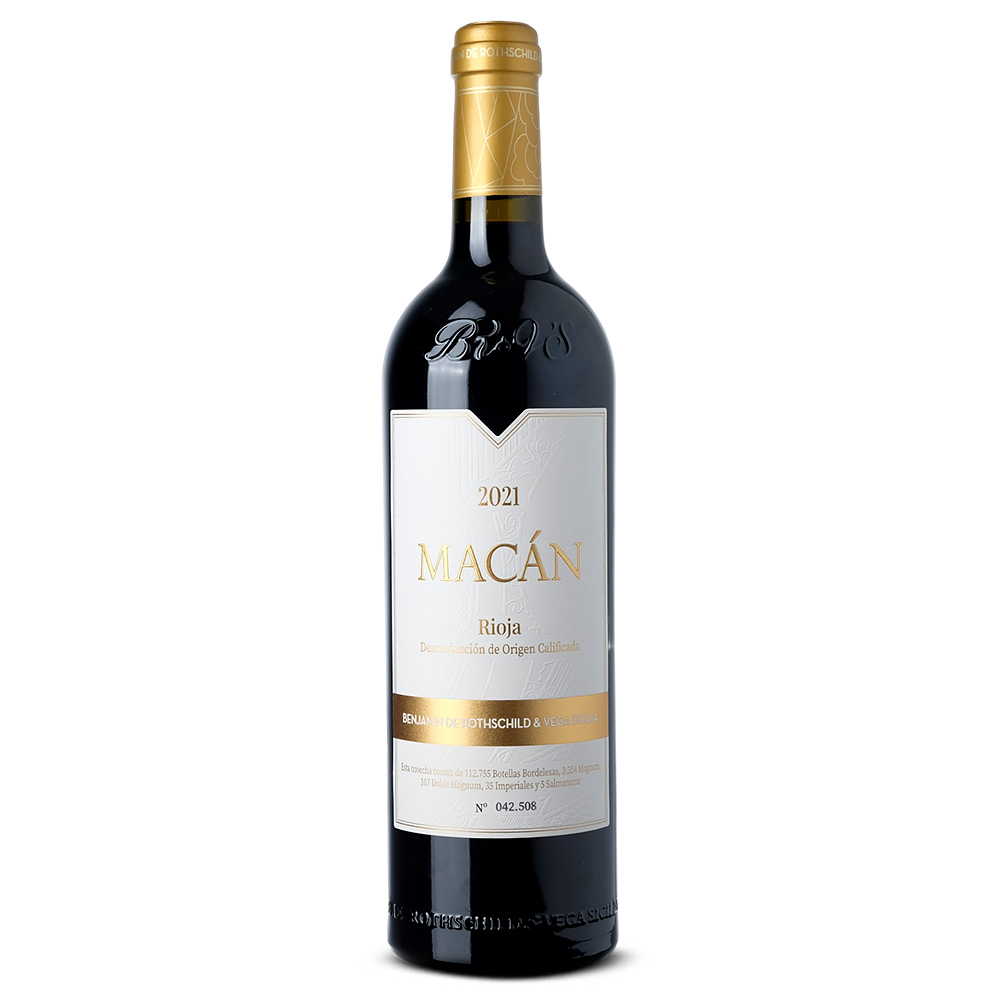
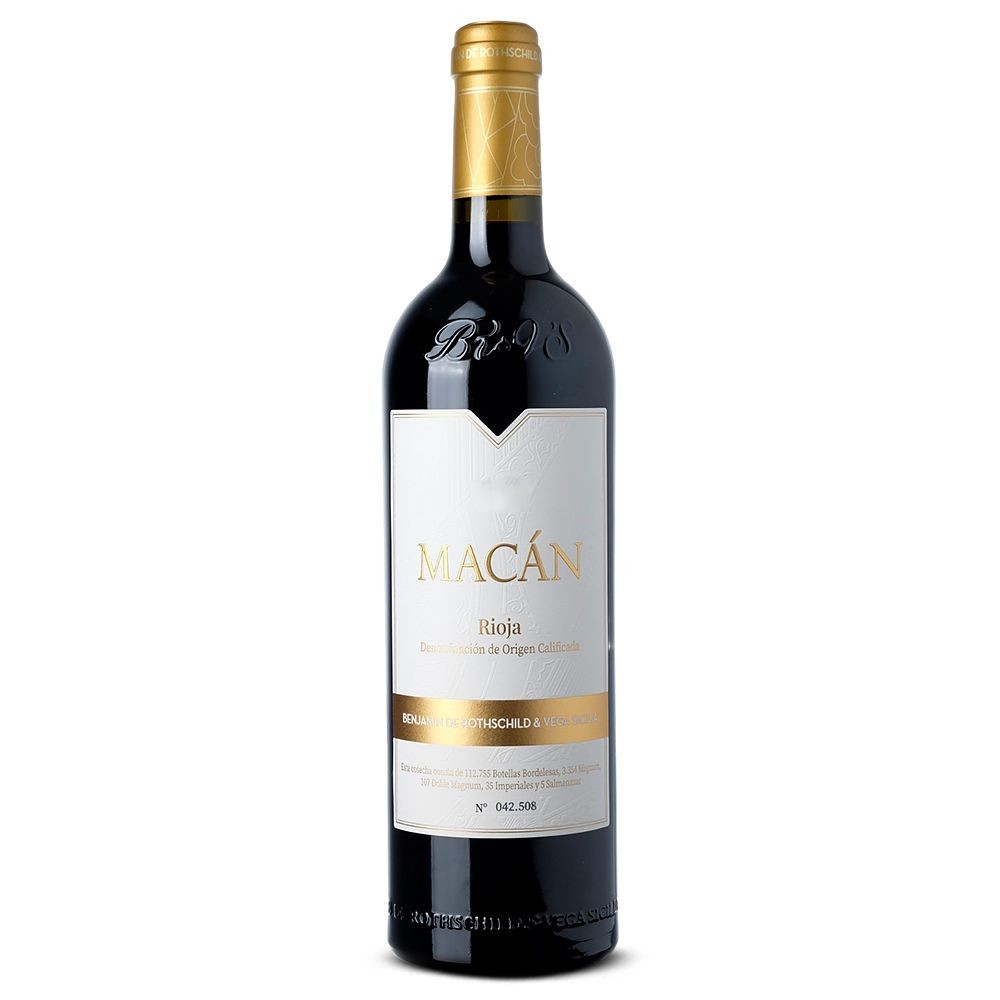
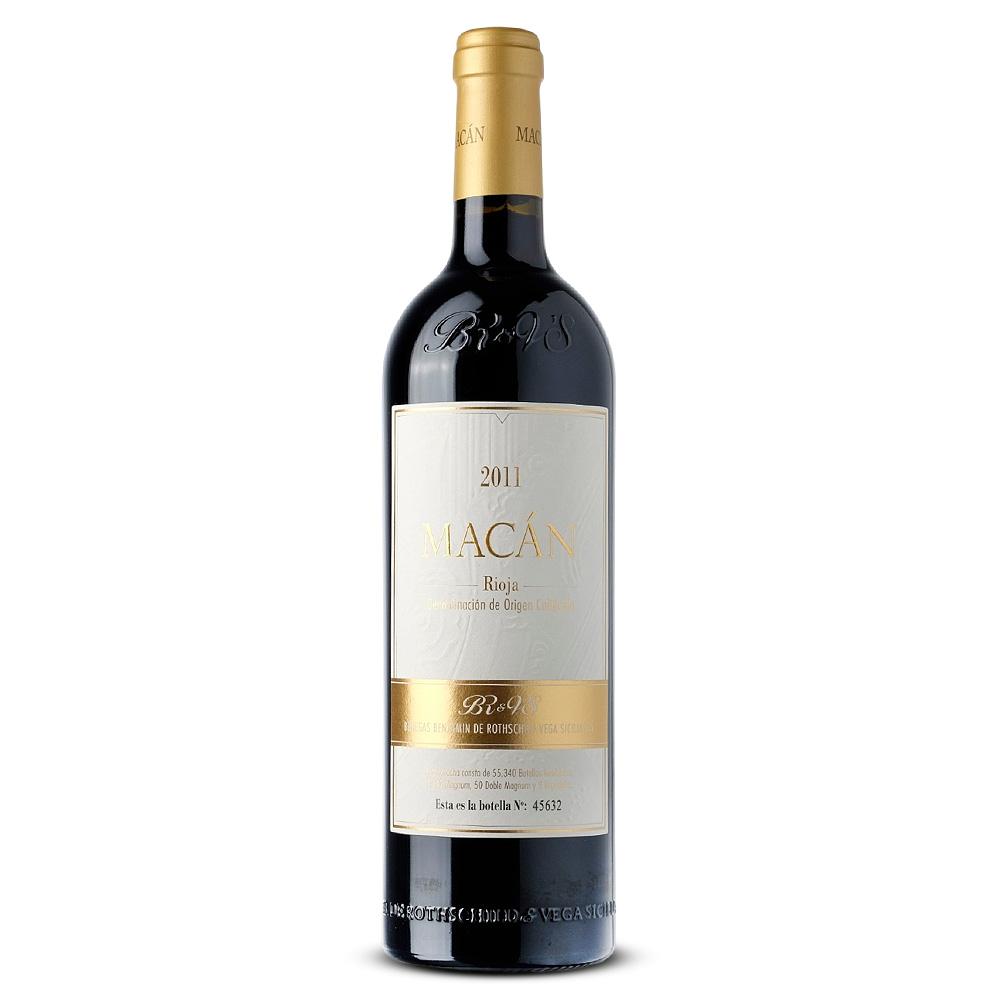
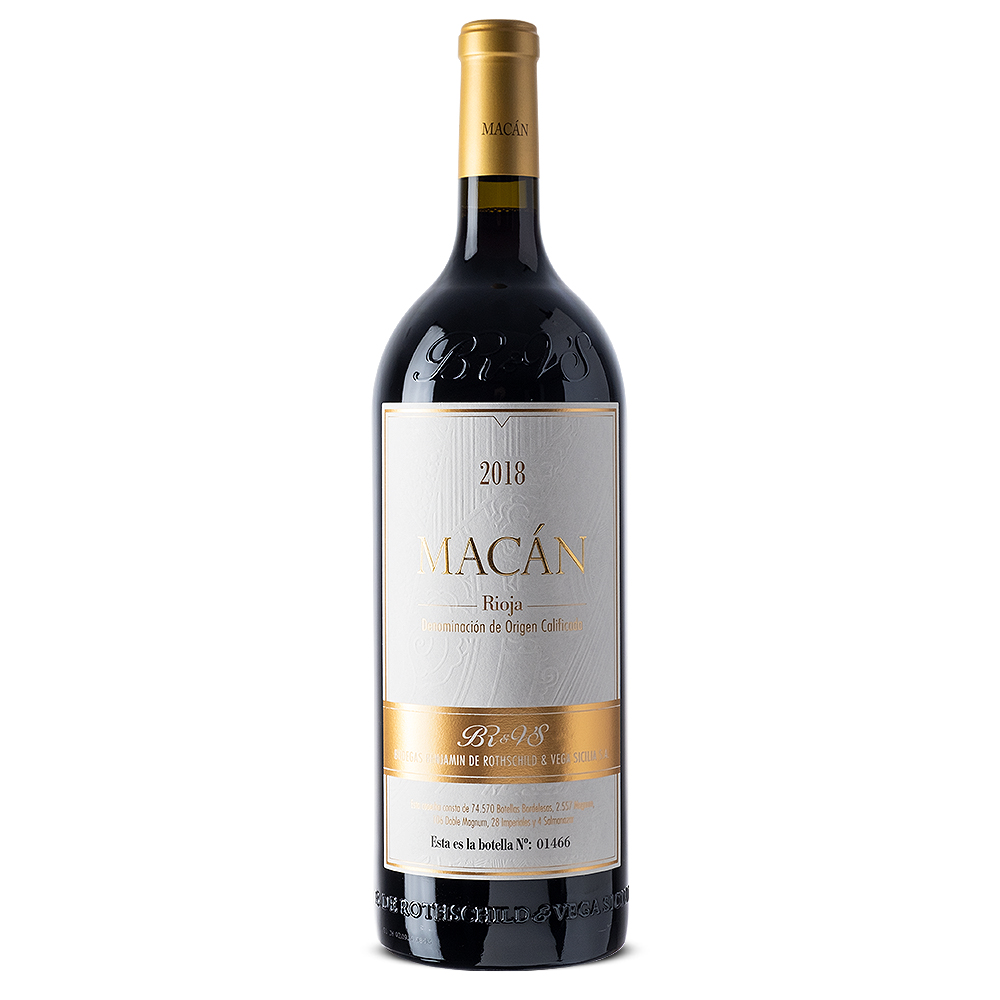
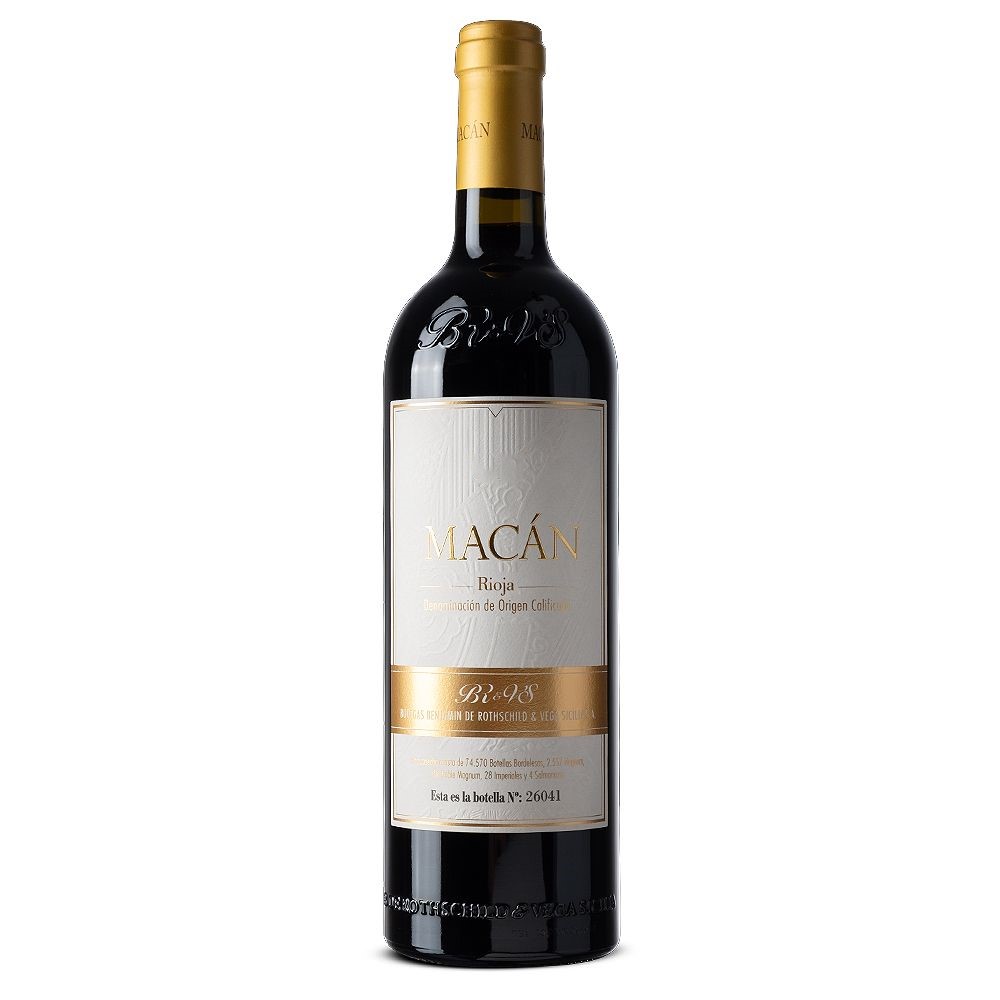
The first wine, Macán, represents the quintessence of a specific vintage. It features a deep structure, a complex bouquet of black berries, spices, and minerals, and outstanding ageing potential. It is aged primarily in new French oak barriques.

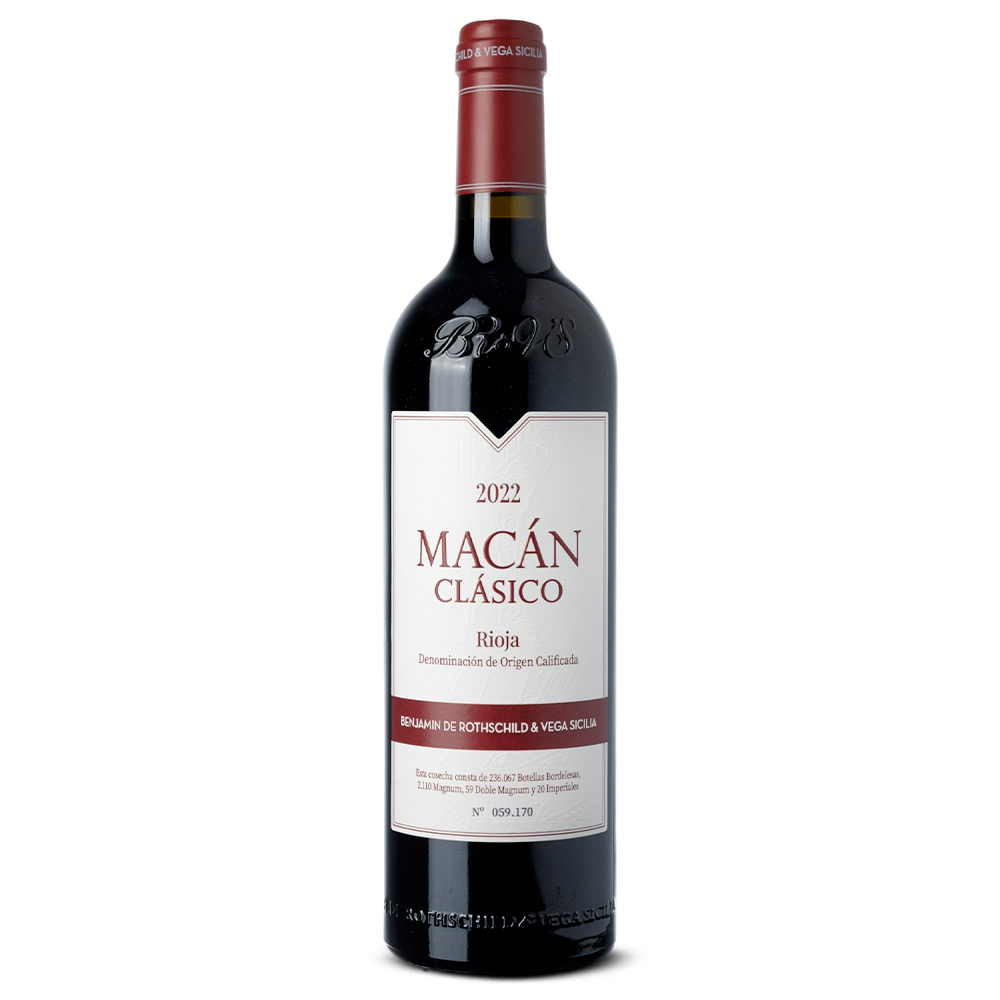
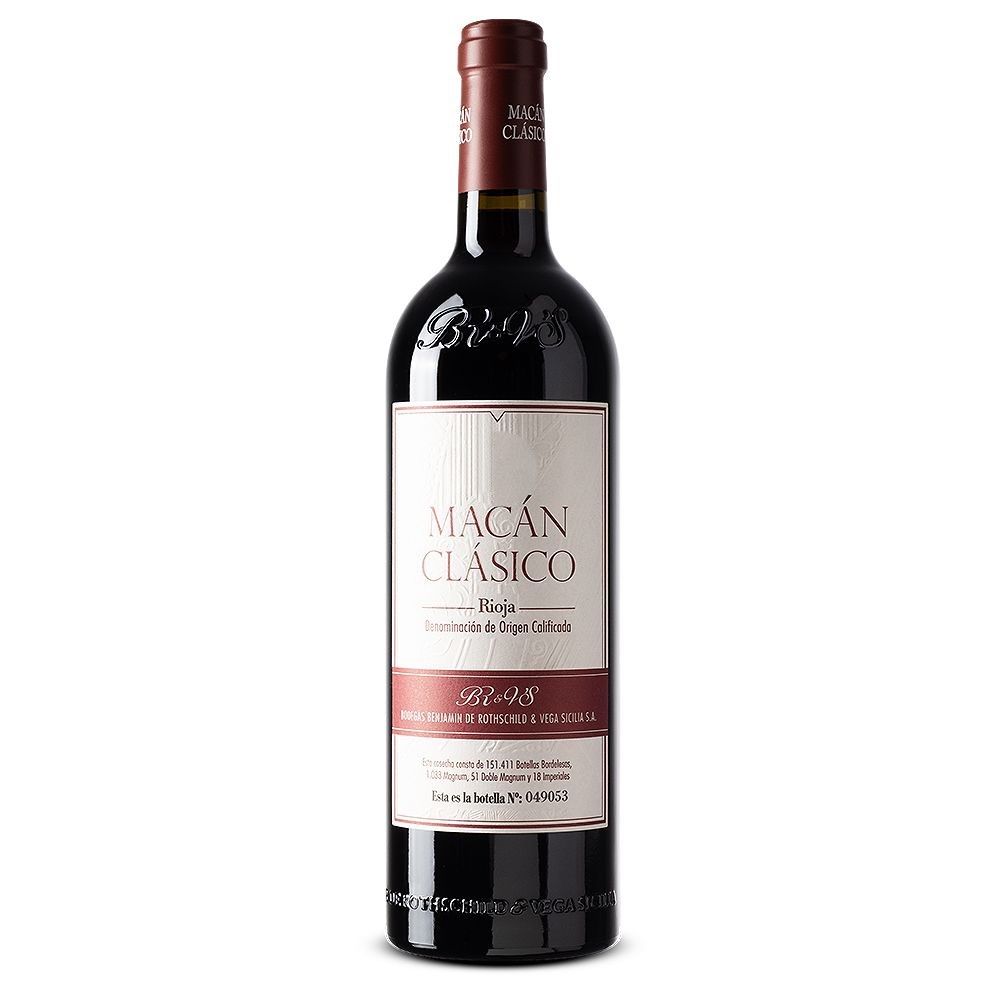
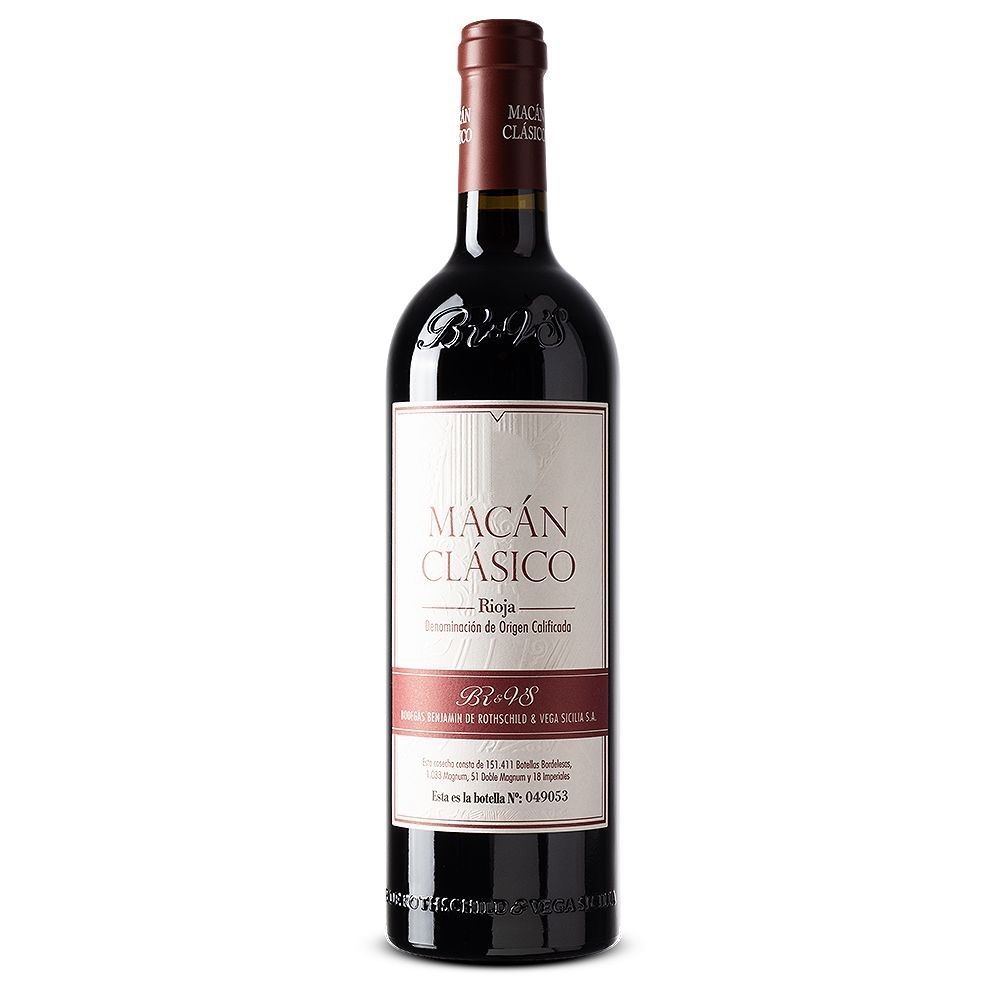
The second wine, Macán Clásico, was conceived as more accessible and approachable in its youth. It showcases bright fruitiness, soft tannins, and freshness, aged in second-use barrels and large oak foudres. Both wines are made from the same single grape variety: 100% Tempranillo.

Production Technology and Philosophy

How meticulous vineyard management and precise winery work shape the style of Macán.

Vineyard Selection

Work with the vines begins long before harvest. Each of the estate's numerous plots is managed individually, considering vine age and soil type. Green harvesting in summer helps limit yields, directing the plant's energy to ripening the finest clusters.

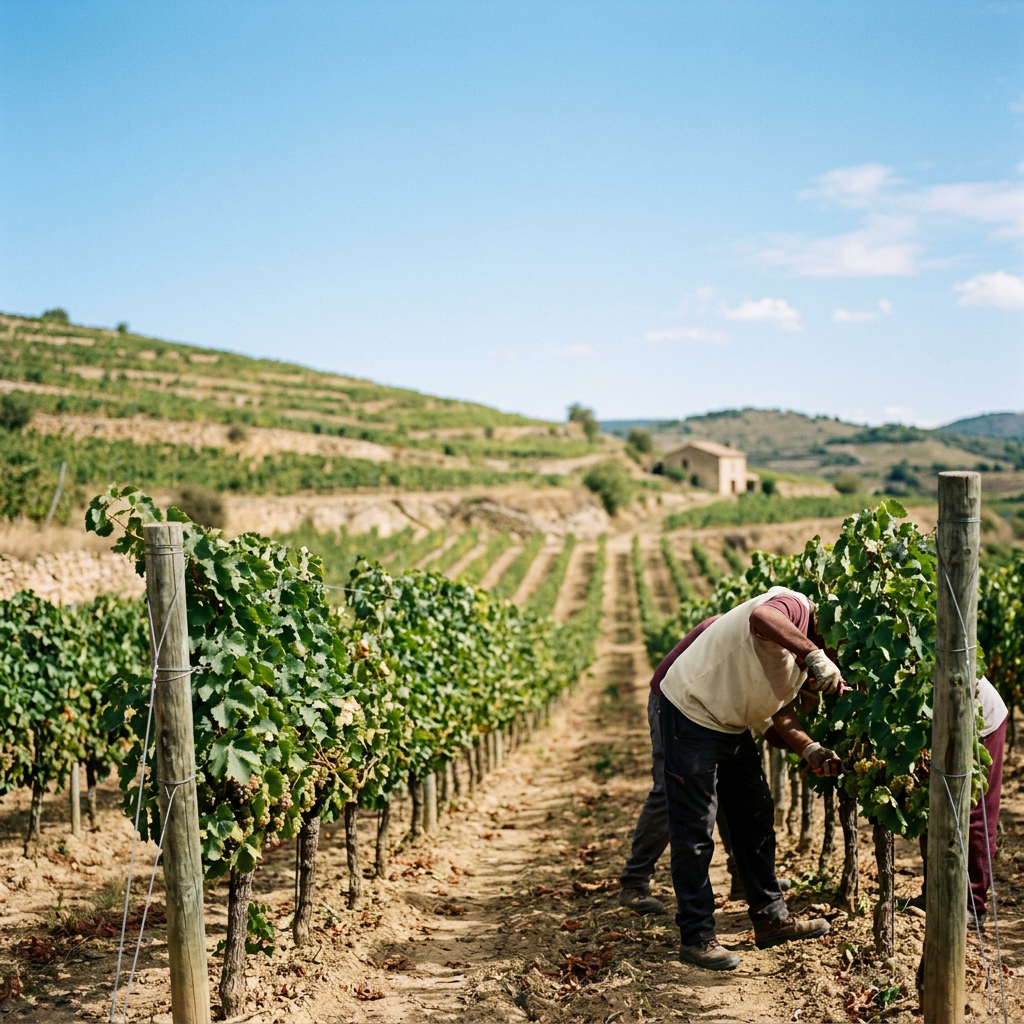
Harvesting is done entirely by hand in small plastic crates with a capacity of no more than 12 kilograms. This prevents premature damage to the grape skins and unwanted oxidation of the juice during transport to the winery.

Upon arrival, the grapes are cooled in specialized chambers. This slows the start of fermentation and allows for cold maceration to gently extract aromatic compounds.

Gravity-Fed Principle

The state-of-the-art winery built in Samaniego is designed to completely eliminate the use of mechanical pumps. All movement of must and wine is gravity-fed, ensuring gentle handling of the raw material.

Before fermentation, grapes undergo double quality control on sorting tables. First, substandard bunches are discarded manually, and then, after destemming, an optical sorter removes dry, underripe, or undersized berries.

Fermentation is initiated using indigenous yeasts characteristic of these plots. This preserves the terroir identity of the wines and avoids standardization of flavor.

Oak Management

The ageing process is tailored to the character of each wine. For the flagship Macán, primarily new French oak barrels are selected, which enrich the wine with tannins and provide a complex structure. Ageing lasts between 16 and 18 months.

For Macán Clásico, second-use barrels and large oak foudres of up to 4,000 liters are used. This approach preserves the bright primary fruit of the Tempranillo variety, making the wine rounder and more approachable in its youth.

After oak ageing is complete, the wine spends at least another year and a half in bottle in the bodega's cellars. Only then is the finished product released to the market.

Geography of Macán Plots

The diversity of microclimates and soils in the bodega's key zones.

Samaniego

Plots in this zone feature the highest altitude and a cool mesoclimate. Grapes from here contribute acidity, freshness, and an elegant floral profile to the blend.

San Vicente de la Sonsierra

A warmer zone with iron-rich clay soils. Local Tempranillo provides density, deep color, and a velvety tannin structure to the wine.

Labastida and Elvillar

Intermediate terroirs where old vines on poor limestone slopes yield low crops with high polyphenol concentration and a distinct mineral tone.

Would you like to experience this great alliance?

The Solo Wine catalog features a unique collection of Macán wines across various vintages and bottle formats. Find your perfect balance between Rioja and Bordeaux.

Learn more
Home
Favorites
Catalog
Cart
Log in