


The Great Divide: How Phylloxera Split Wine History in Two

In the late 19th century, European viticulture faced extinction due to a tiny North American pest. The fight against the epidemic reshaped vineyards, vineyard management, and the very taste of modern wine.

Epidemic of the Century: How a Microscopic Pest Reshaped Winemaking

The second half of the 19th century entered viticultural history as the greatest catastrophe, destroying millions of hectares of European vineyards.

Biological Threat from the New World

Phylloxera (Daktulosphaira vitifoliae) is a tiny insect of the aphid family, introduced to Europe from North America in the 1860s alongside decorative vine samples. The pest attacks the root system of the European vine Vitis vinifera. The insect punctures the roots to feed on sap, causing rotting wounds and the subsequent death of conductive tissues. Unable to absorb water and nutrients, the vine dies within a few years.

Before phylloxera, viticulture had evolved continuously for millennia. The epidemic destroyed over 70% of European vineyards, triggering a deep economic crisis. This event permanently split wine history into two eras. In the pre-phylloxera era, vines were propagated mainly by layering and grew on their own roots. After the catastrophe, winemakers had to completely restructure planting systems and master grafting, which became the mandatory standard for most wine regions worldwide.

Natural Barriers Against Phylloxera

01

Sandy soils

Sand particles physically prevent the aphid from moving underground and building tunnels.

Sandy soils
02

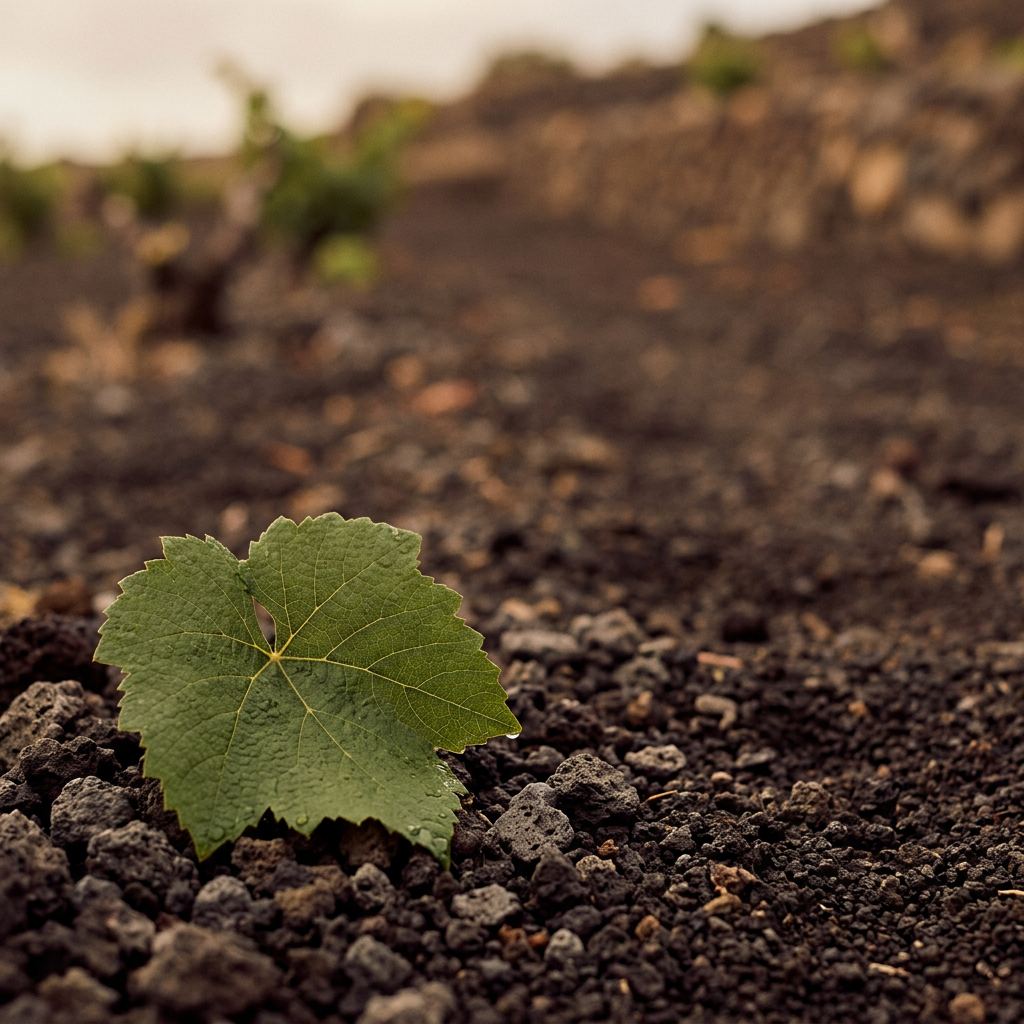
Volcanic terroir

High basalt and ash content creates a lethal environment for the pest.

Volcanic terroir
03

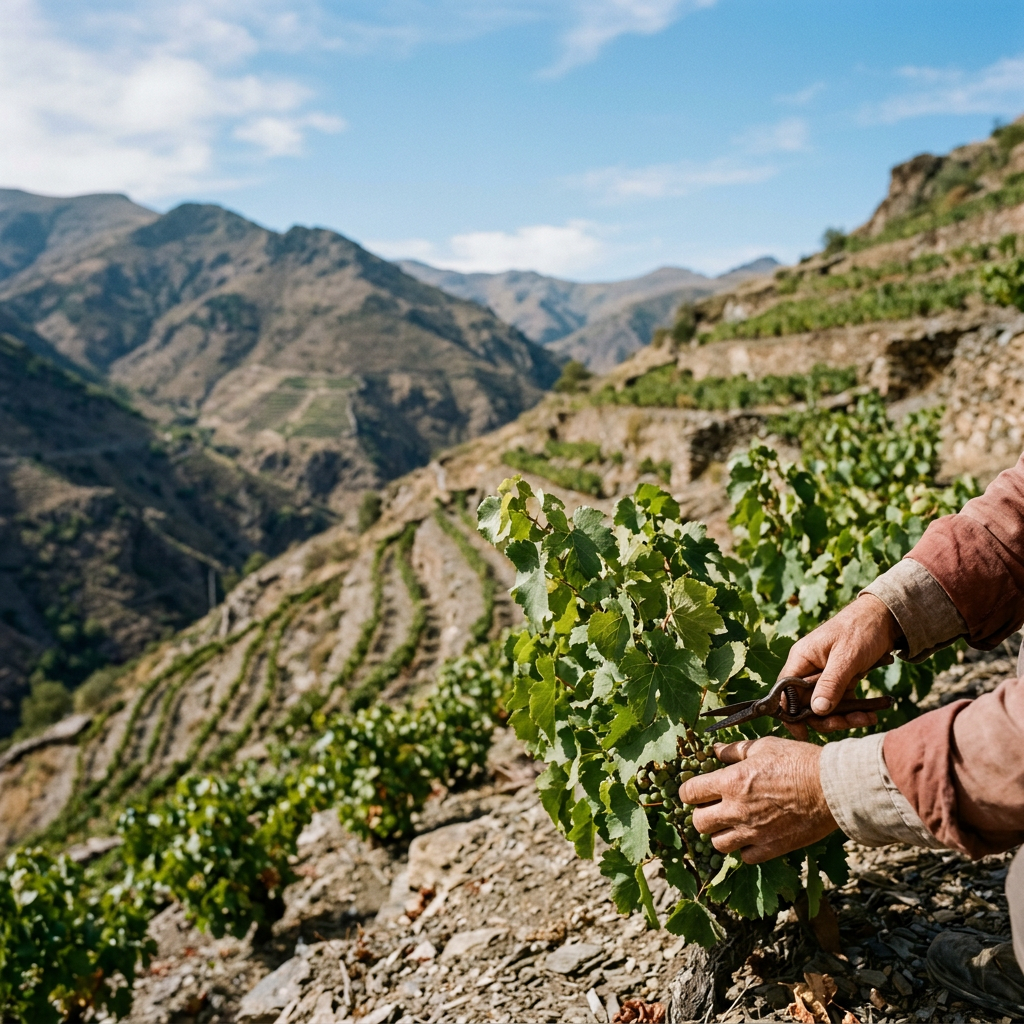
High-altitude sites

Low temperatures and stony soils at high altitudes slow down aphid reproduction.

High-altitude sites
04

Geographic isolation

Natural barriers like oceans and deserts block the spread of the insect.

Geographic isolation

Grafting as the Salvation of European Viticulture

Attempts to eradicate phylloxera using chemical methods or flooding vineyards yielded only temporary results. The solution came from using American grape species, such as Vitis riparia, Vitis rupestris, and Vitis berlandieri. These vines co-evolved with the pest and developed natural immunity: their roots secrete a sticky sap that seals wounds and prevents infection. Winemakers began grafting the scion—the European Vitis vinifera vine responsible for grape quality—onto the American rootstock, which provides protection against the aphid.

While this method saved the global wine industry, it altered vineyard biology. A grafted vine has a shorter lifespan compared to an own-rooted one. While own-rooted vines can bear fruit for over a century, grafted plants often require replanting after 35–50 years due to the gradual decline in compatibility between scion and rootstock.

Furthermore, the rootstock influences the vegetative cycle of the plant. It regulates water and nutrient uptake, affecting yields and ripening speed. Modern winemakers carefully select rootstocks to match the soil type and climate of specific plots to compensate for these changes and preserve varietal characteristics.

The Own-Rooted Vine Phenomenon: Why Pie Franco is Prized

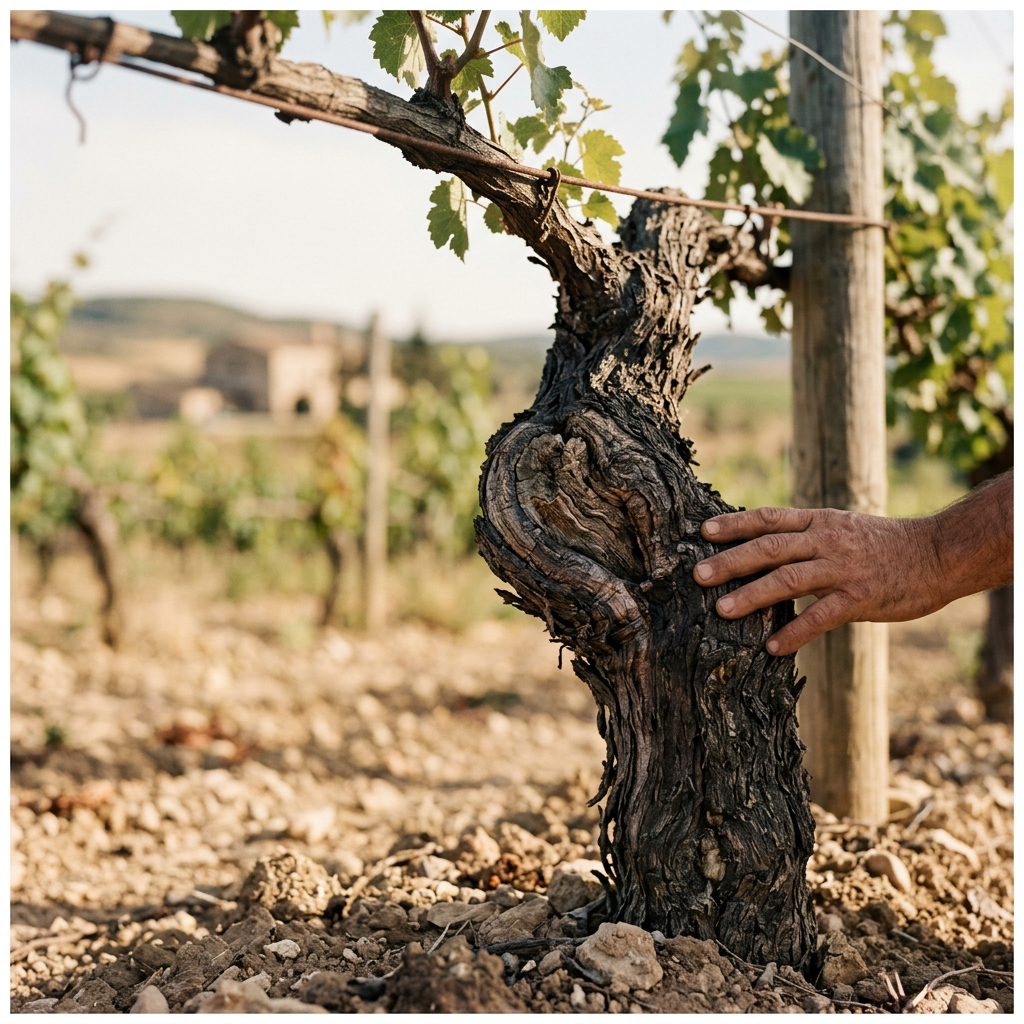
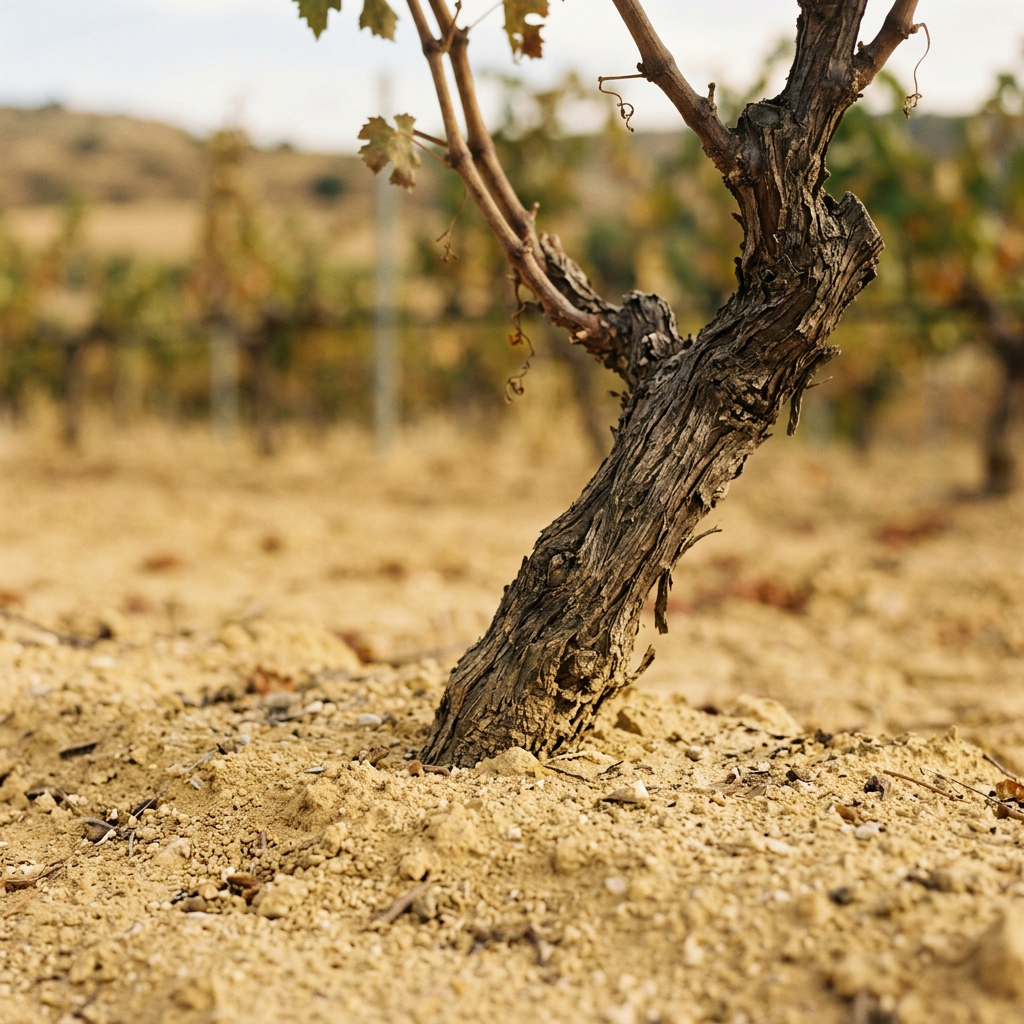
Vineyards that escaped grafting are called own-rooted. In Spain, they are referred to as *pie franco*, and in France as *franc de pied*.

Direct Connection to the Soil

The absence of a graft union allows sap to flow freely through the vine trunk. The root system of Vitis vinifera develops naturally, penetrating deep soil layers. Winemakers note that these vines respond more sensitively to terroir, conveying subtle nuances of structure and acidity that can be muted in grafted plants.

Own-rooted vines also demonstrate high drought tolerance. Due to the rarity of such plots, pie franco wines are produced in limited quantities and are of particular interest to collectors seeking the pure taste of the varieties.

Longevity of Old Vines

Without the need for grafting, a vine can develop for a century or more. Age directly affects grape quality: old own-rooted vines yield small berries with a high concentration of extractives. While the yield of such vineyards decreases, the value of each bunch increases.

Deep roots of old vines reach the bedrock, ensuring stable access to moisture. This minimizes the impact of seasonal climate fluctuations on crop quality, resulting in balanced and complex wines.

Historical Heritage

Every bottle of wine from own-rooted vines preserves the genetic diversity of old clones lost during the mass transition to certified rootstocks. These vineyards connect modern winemaking with pre-phylloxera traditions.

For wine enthusiasts, this is a rare opportunity to experience the pure expression of a variety. The absence of American rootstock influence allows one to appreciate the authentic character of the grape in its original form.

Three Global Oases of Pre-Phylloxera Viticulture

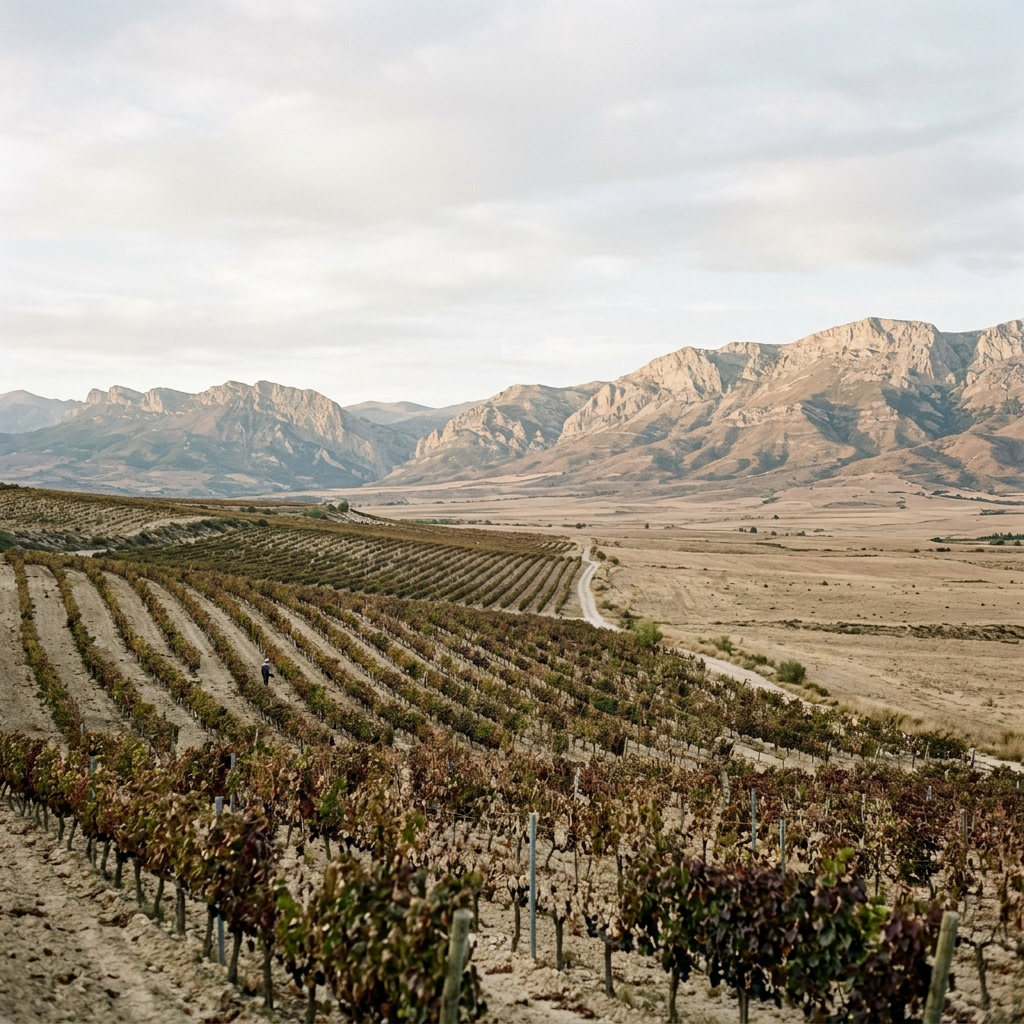
Only a few regions remain on the world map where phylloxera failed to establish itself due to unique geographical and geological conditions.

Chile: Natural Isolation of the Continent

Chile remains the only major wine-producing country completely free of phylloxera. Geographical barriers—the Atacama Desert to the north, the Andes to the east, the Pacific Ocean to the west, and the Patagonian glaciers to the south—created a reliable sanitary shield. Here, Carmenere, Cabernet Sauvignon, and Pais grow on their own roots, showing pristine character and high longevity. Strict phytosanitary border controls help maintain this status.

Cyprus: High-Altitude Vineyards of Troodos

Island status and high altitude protected the vineyards of Cyprus in the Troodos Mountains from pest invasion. At altitudes up to 1,500 meters, century-old own-rooted vines of local varieties Xynisteri and Mavro survive on poor volcanic and limestone soils. These vineyards are cultivated entirely by hand due to the steep slopes, and the wines produced here feature high natural acidity and concentrated flavor.

Colares (Portugal): Vineyards on Sand Dunes

In the Portuguese region of Colares, located on the Atlantic coast, Ramisco vines are planted in deep sand dunes. The sand layer reaches several meters, hiding a clay layer below where the roots grow. Phylloxera cannot physically survive in loose sand, allowing these unique ungrafted plantings to survive. Colares wines are famous for high tannins, pronounced acidity, and long aging potential.

Ready to Touch Wine History?

The Solo Wine collection features rare wines from own-rooted pie franco vines from around the world. Discover the pure, undistorted taste of historic terroirs and appreciate the heritage of pre-phylloxera winemaking.

Learn more
Home
Favorites
Catalog
Cart
Log in