Sweet Wines: How Natural Sugar is Born

Creating great sweet wines requires precision and a willingness to take risks. Instead of adding sugar, winemakers use natural methods to concentrate the must or halt fermentation at the peak of sweetness. This results in complex, balanced wines with immense ageing potential.

Anatomy of Natural Sweetness

In quality winemaking, adding beet or cane sugar is prohibited by law. All sweetness in the glass comes exclusively from the grapes themselves.

Sugar and Acidity Balance

To prevent the wine from tasting cloying, the winemaker must preserve high natural acidity in the grapes. There are two fundamental ways to produce sweet wine. The first is to concentrate the sugar in the grapes as much as possible before pressing. The second is to interrupt the yeast's activity before it converts all the natural sugar into alcohol.

Each method requires specific climatic conditions and meticulous work in the cellar. The reduction in juice volume during drying or late harvesting automatically decreases the yield of finished wine, which explains its high cost.

Four Paths to Sweetness

01

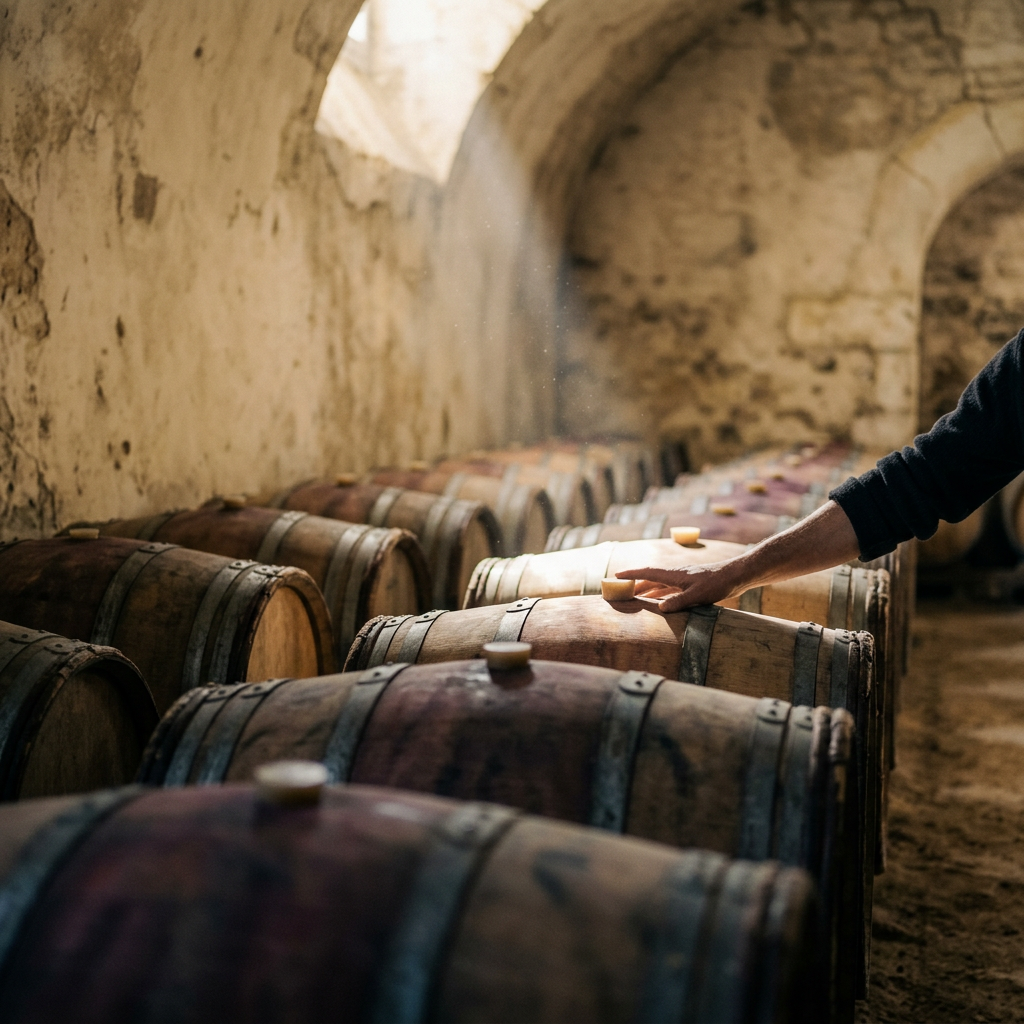
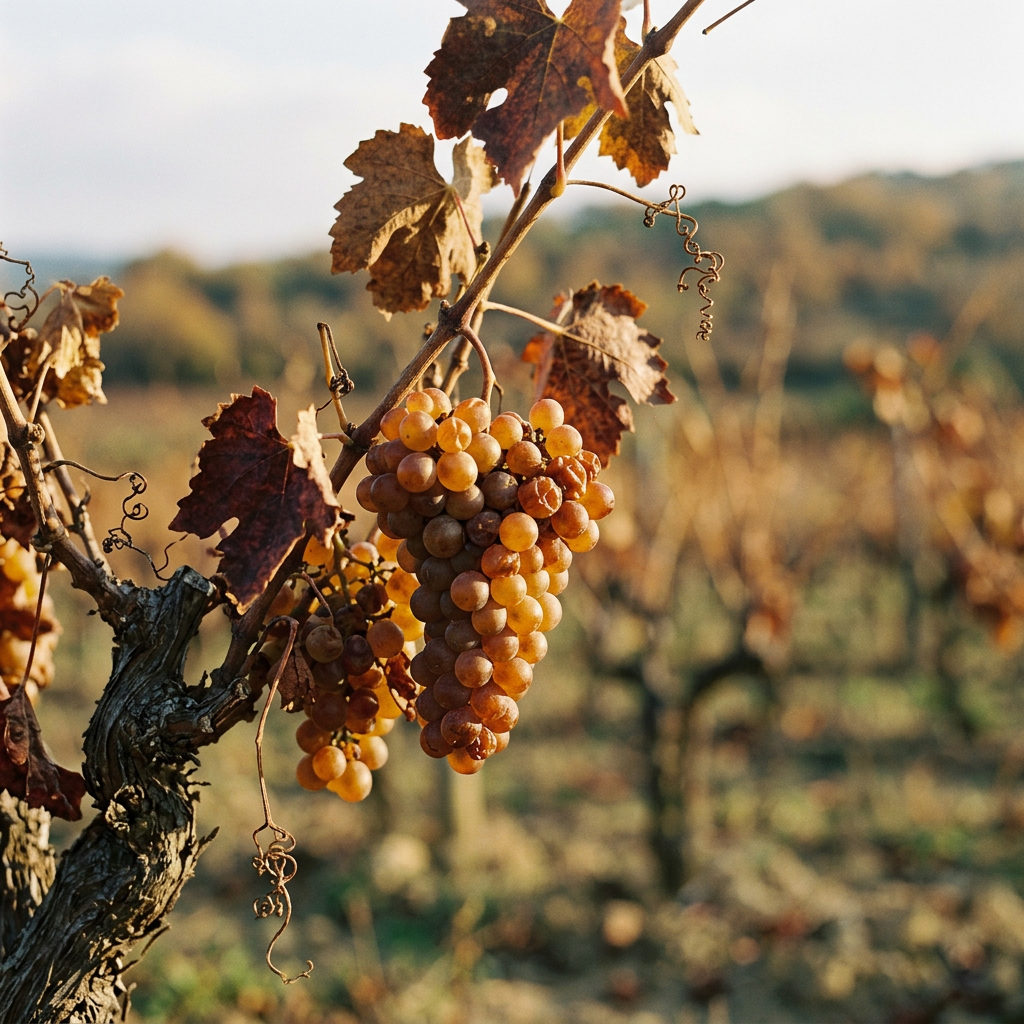
Late Harvest

Grapes overripen on the vine, losing moisture and accumulating sugar naturally.

Late Harvest
02

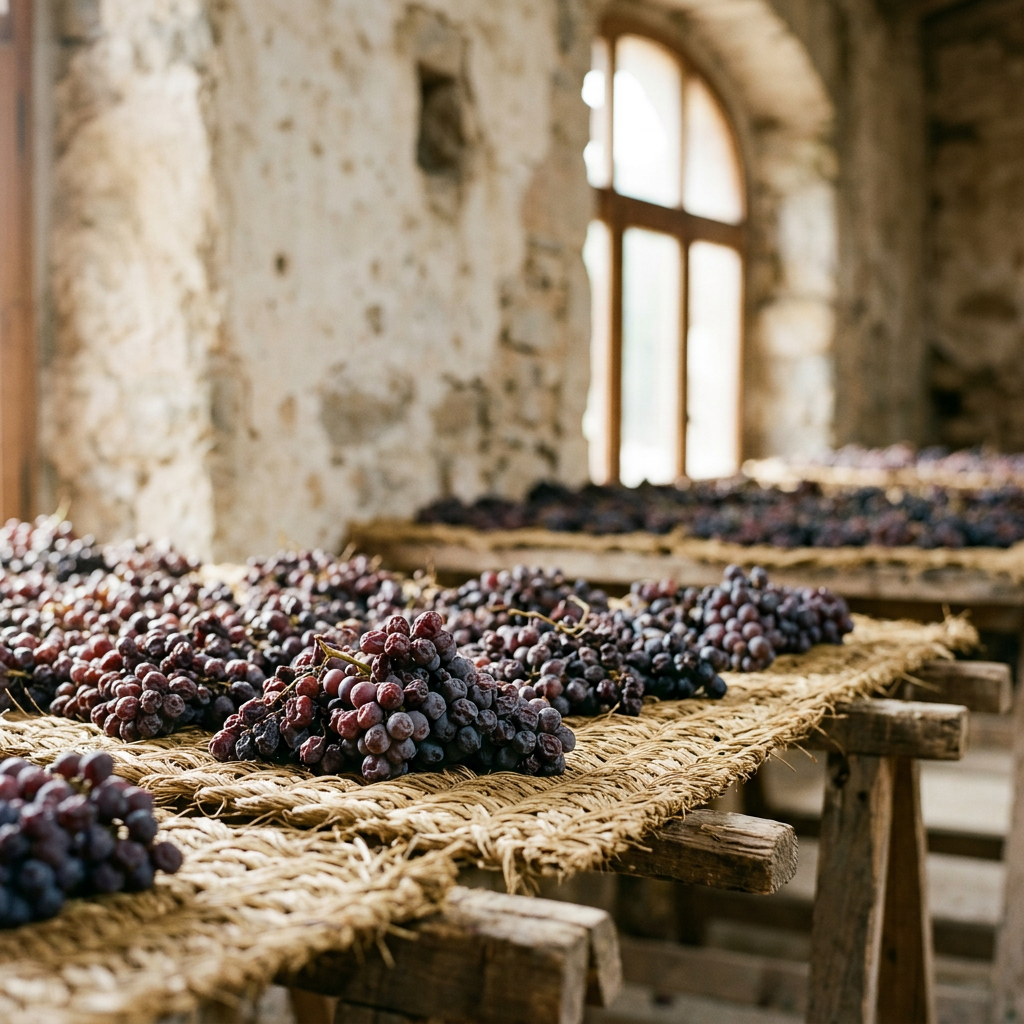
Appassimento

Drying harvested grapes on straw mats or in dedicated drying rooms.

Appassimento
03

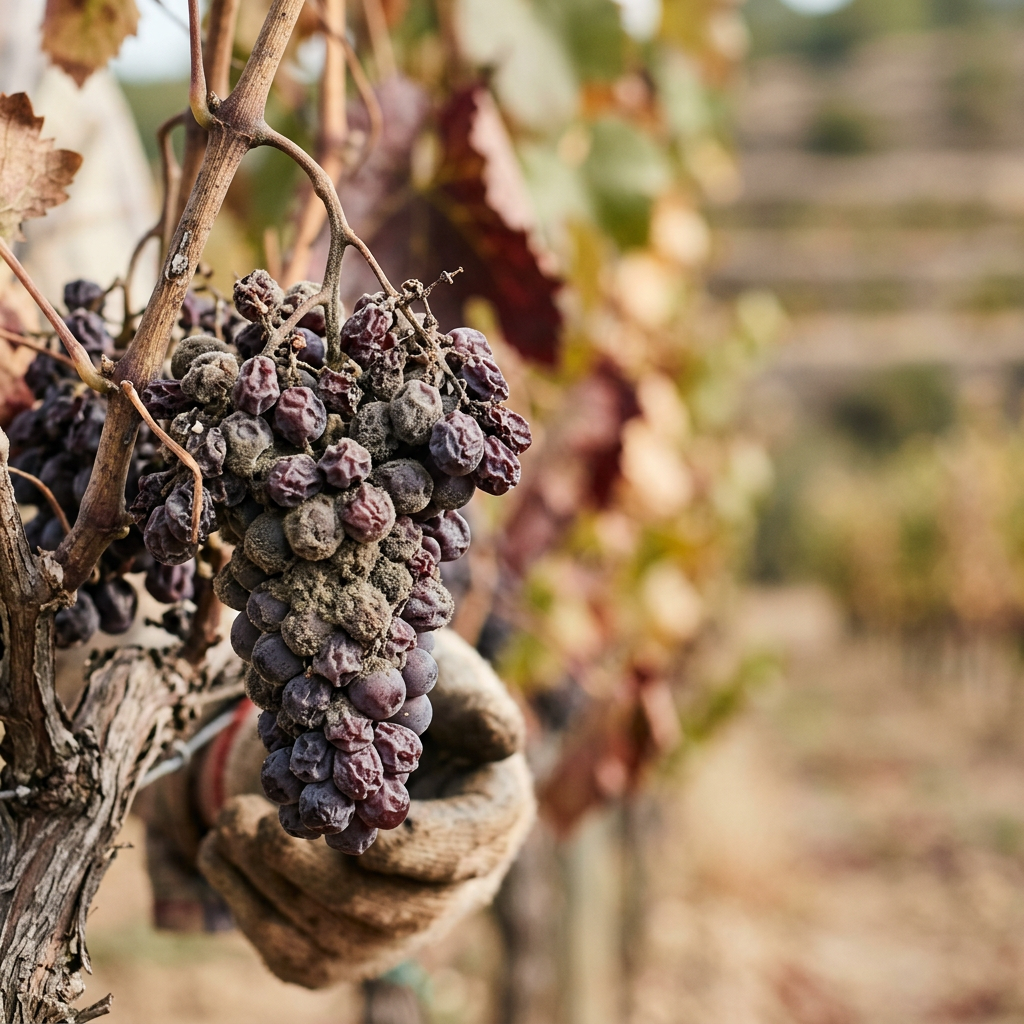
Noble Rot

The fungus Botrytis cinerea perforates the skin, evaporating water and adding aromatic complexity.

Noble Rot
04

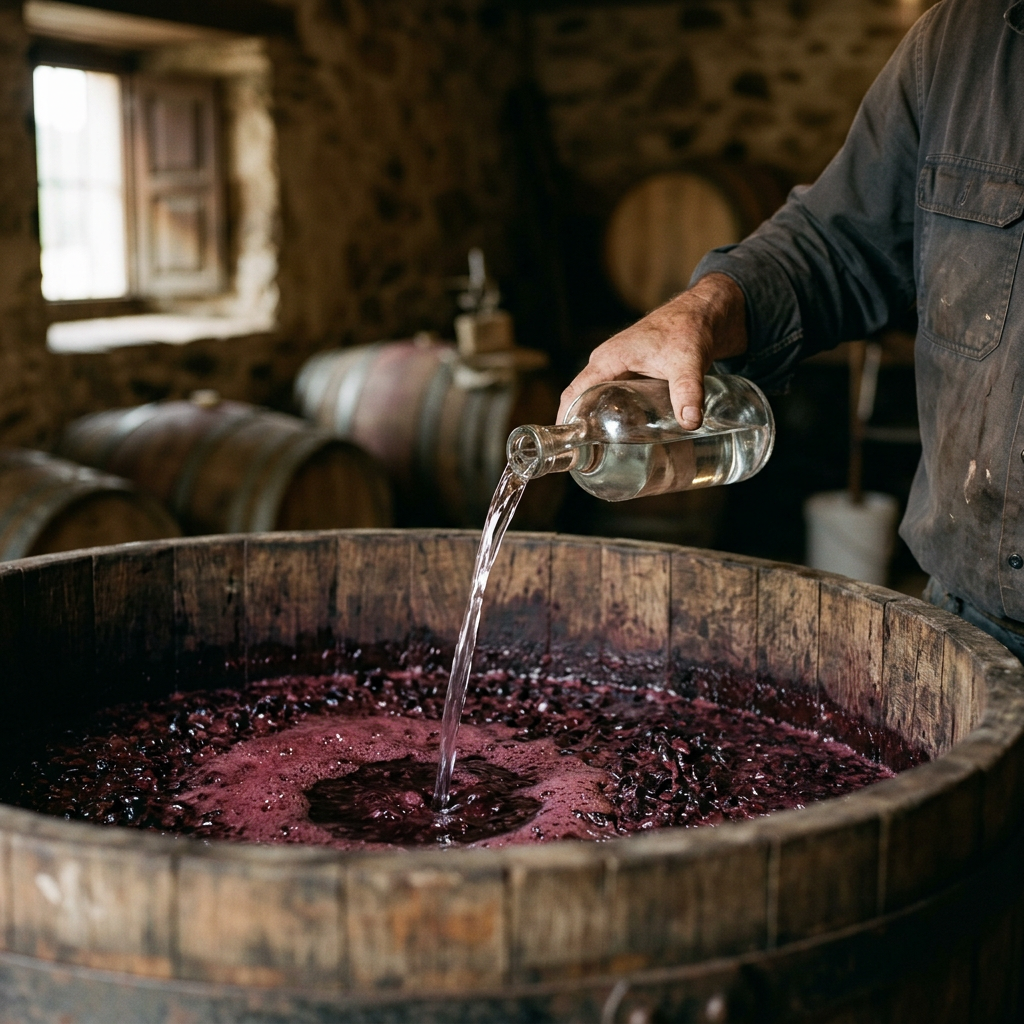
Fortification

Adding grape spirit halts fermentation, preserving natural residual sugar.

Fortification

The Art of Interruption: How Mutage Works

The method of halting fermentation by adding high-proof alcohol is known as fortification, or mutage. This technical technique originated in the south of France in the 13th century. When the overall strength of the must is abruptly raised to 15–16% ABV by adding neutral grape distillate, the yeast immediately stops working. They simply cannot survive in such an alcoholic environment.

As a result, a significant portion of unfermented grape sugar remains in the wine. Fortified wines produced this way possess not only sweetness but also high stability. They can develop in barrels and bottles for decades without spoiling.

This method requires precise timing. The winemaker must capture the exact moment when the ratio of alcohol, sugar, and acidity in the fermenting must is ideal. A mistake of just a few hours can completely alter the balance of the future wine.

Geography of Great Dessert Styles

Different wine regions of the world have spent centuries perfecting their unique methods of working with sweet must.

Sauternes (France)

In Bordeaux, along the banks of the Ciron river, morning mists encourage the development of noble rot, Botrytis cinerea, on Semillon and Sauvignon Blanc. Sauternes wines are characterized by high acidity, a luscious texture, and complex aromas of saffron, honey, and dried apricots.

Jerez (Spain)

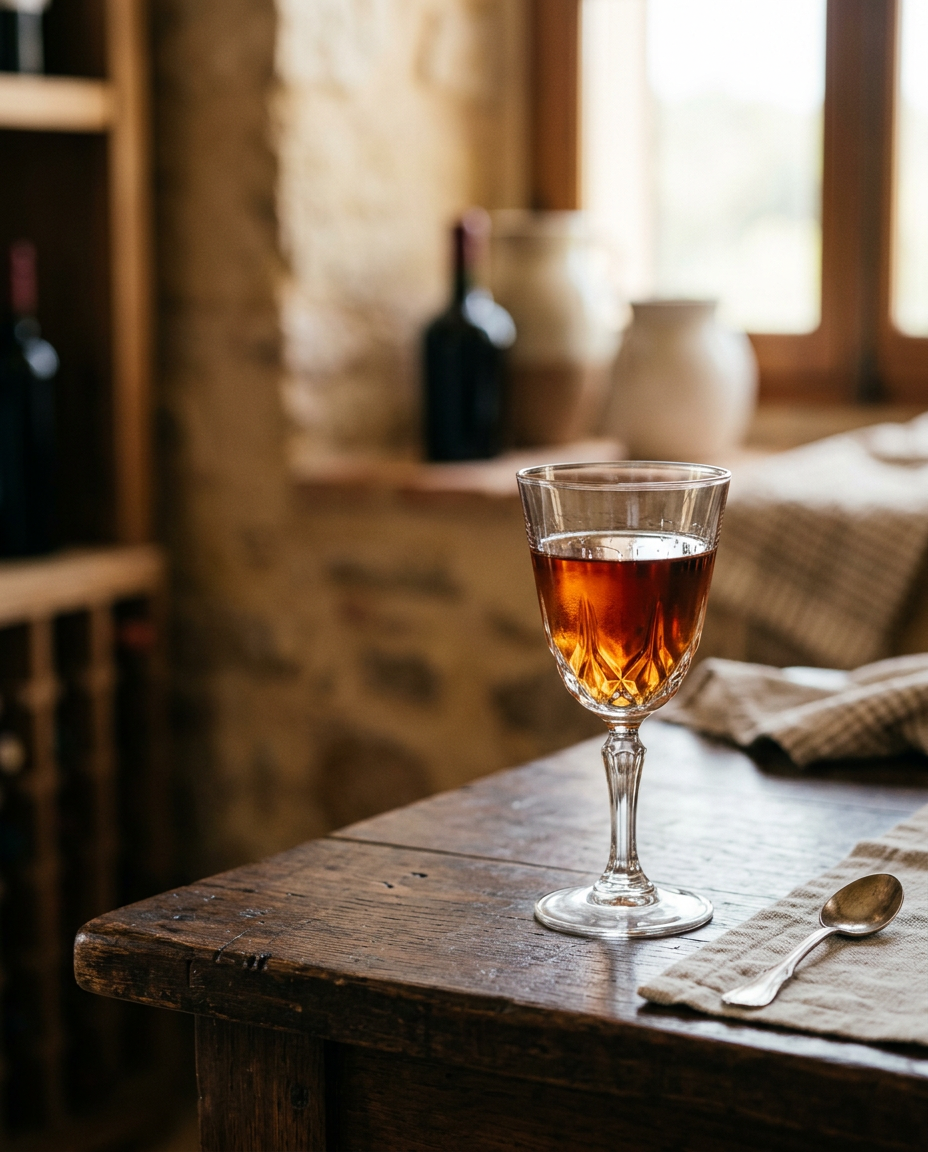
In southern Spain, in Andalusia, extremely sweet wines are crafted from sun-dried Pedro Ximenez grapes. The grapes are dried under the sun directly in the vineyards, after which the must is fermented and aged in the dynamic solera y criadera system.

Tokaj (Hungary)

The birthplace of the legendary Tokaji Aszu wines. Here, shriveled botrytized berries are hand-picked individually, crushed into a sweet paste, and added to a dry base wine. The sweetness level is historically measured in puttonyos—baskets of botrytized grapes.

Find Your Perfect Balance

Our collection features the finest examples of sweet and fortified wines—from light late-harvest Muscats to meditative Pedro Ximenez sherries. Discover the richness of natural sweetness in the Solo Wine catalog.

Learn more
Home
Favorites
Catalog
Cart
Log in