


Slope Architecture: How Vineyard Exposure Shapes Wine Character

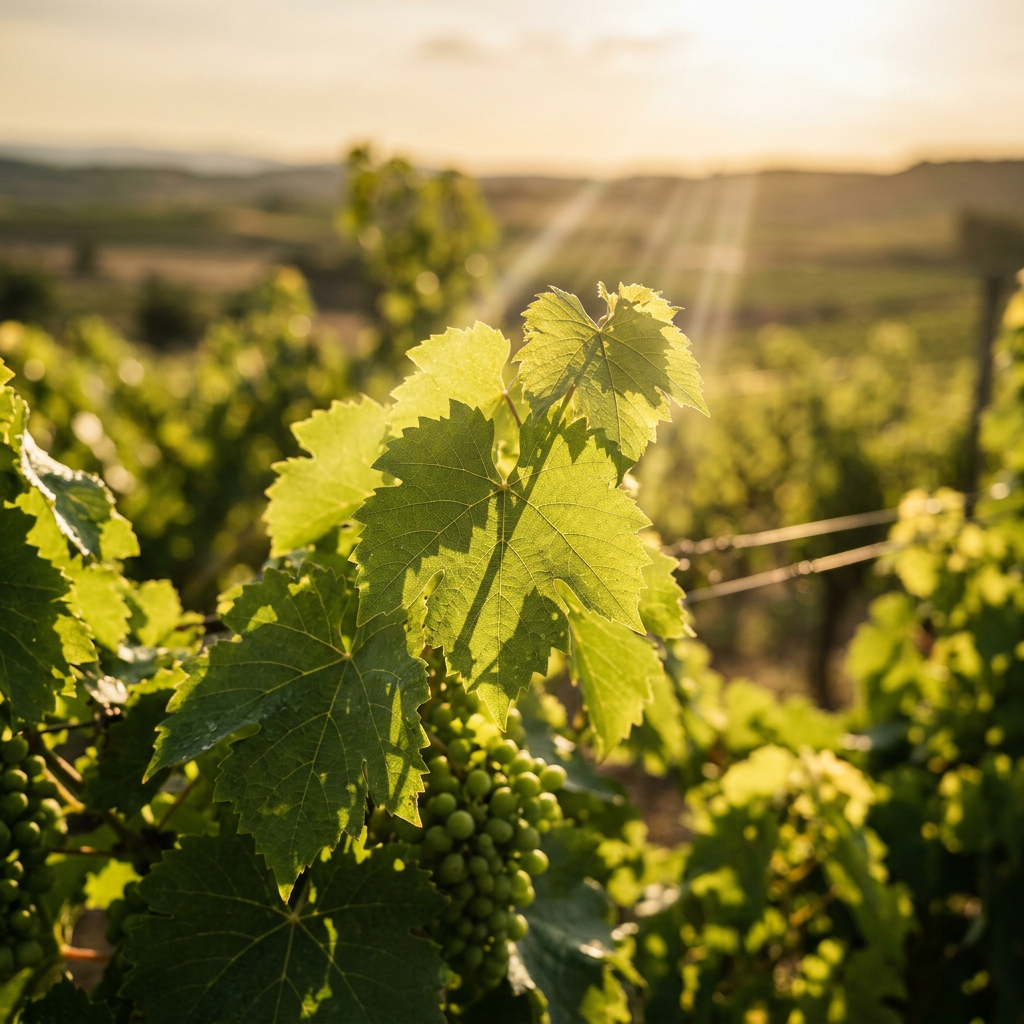
The slope angle and the direction the vines face determine the amount of heat and light the grapes receive. These geographic coordinates create microclimates even within a single hill. Understanding exposure helps winemakers manage grape ripening in a changing climate.

The Geometry of Terroir

Exposure and slope form the physical foundation that distributes solar energy across the vineyard.

What are Exposure and Slope Angle

Exposure refers to the direction a slope faces relative to the compass points. In the Northern Hemisphere, southern slopes receive maximum solar radiation, while northern slopes remain cooler. The slope angle determines how efficiently the soil warms up. The closer this angle is to perpendicular to the sun's rays, the more heat the vineyard receives.

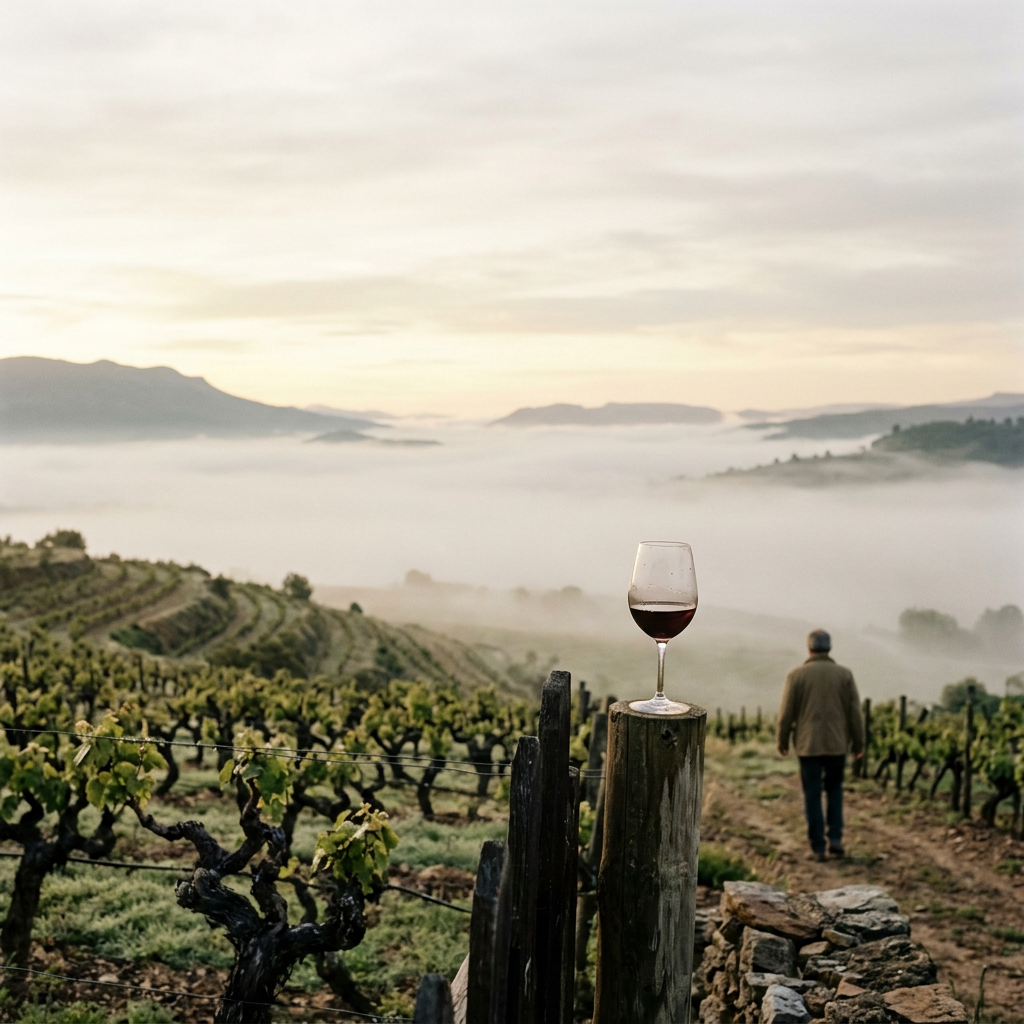
These parameters directly affect the rate of photosynthesis, moisture evaporation, and air movement. On a steep slope, cold air does not stagnate but flows down into the valley, protecting buds from spring frosts. The topography compensates for climatic features, helping winemakers grow heat-loving varieties in cool zones or preserve grape freshness in hot ones.

Four Factors of Slope Influence

01

Light intensity

The angle of incidence determines the amount of heat absorbed by the soil during the day.

Light intensity
02

Water drainage

Excess rainfall drains away quickly, preventing waterlogging at the roots.

Water drainage
03

Air movement

The constant flow of cold air into the valley protects the vines from frost.

Air movement
04

Soil structure

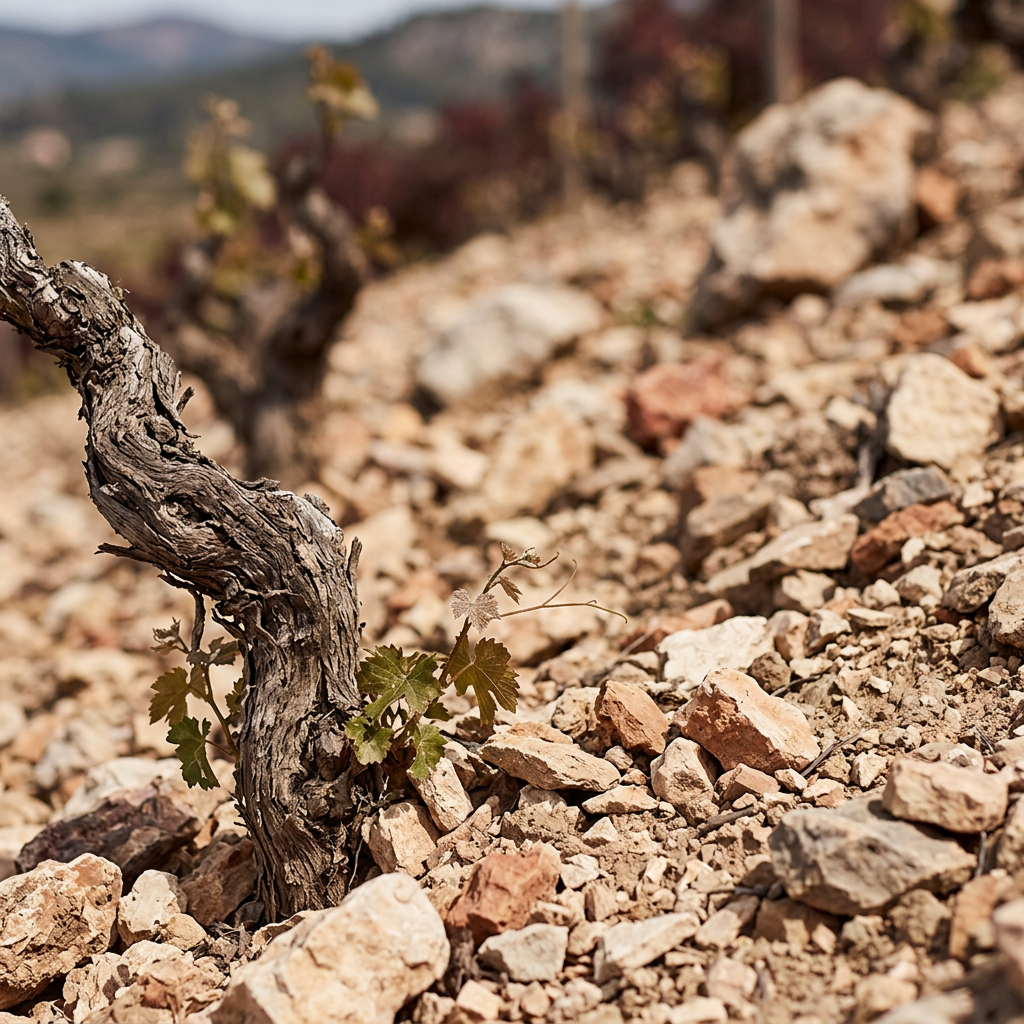
Erosion washes away fine particles, leaving stony, nutrient-poor soil on the slopes.

Soil structure

Extreme Slopes: The Price of Concentrated Flavor

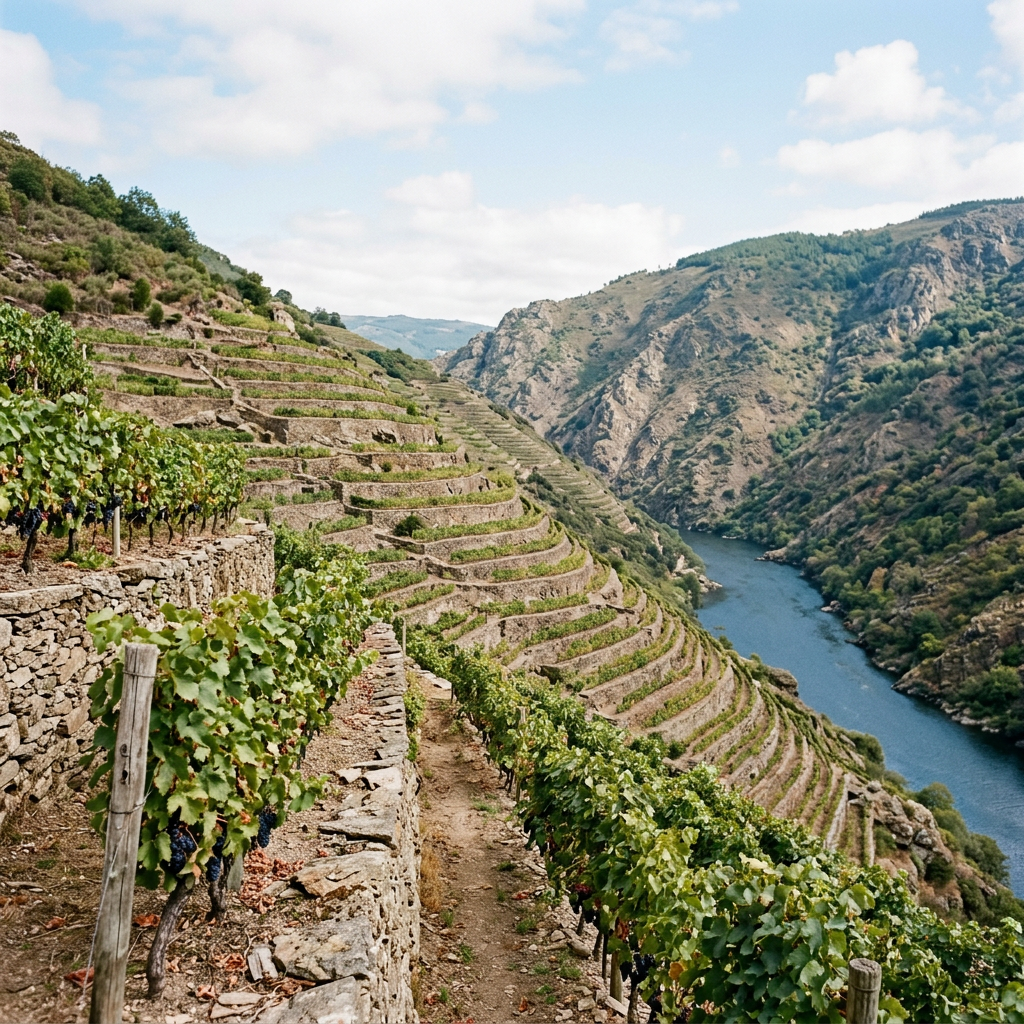
Working on slopes with an incline of over 30 degrees requires immense physical effort. This type of viticulture is often called heroic, as the use of machinery is virtually impossible. All operations—from pruning to harvesting—are performed by hand. Winemakers are forced to build stone terraces to prevent soil erosion during rains.

This labor pays off in grape quality. On steep slopes, the sun illuminates each vine evenly, while stony soils accumulate heat during the day and release it during the cool night. The limited amount of fertile soil and rapid water runoff force roots to grow deep into the bedrock. As a result, yields decrease, and the grapes become small, with a high concentration of aromatic compounds.

Wines from these plots possess an expressive structure, deep color, and long aging potential. They often show a balance between highly ripe fruit notes and vibrant acidity. Extreme topography turns climatic challenges into stylistic advantages.

Compass Points: How Slope Direction Alters Style

The choice of slope direction determines the balance of sugar and acidity in the future wine.

South and North: Warmth vs. Coolness

Southern slopes receive the maximum hours of sunshine. Here, grapes ripen faster, accumulating high sugar levels, which yields full-bodied wines with high alcohol content. Northern slopes receive less direct sunlight. Grapes ripen more slowly, retaining high acidity and fresh aromas. In the era of global warming, winemakers increasingly choose northern slopes to preserve wine freshness.

East and the Lively West

Eastern slopes are illuminated by the morning sun. Dew on the leaves dries quickly, reducing the risk of fungal diseases. At the same time, the afternoon heat bypasses these plots, resulting in elegant, medium-bodied wines. Western slopes warm up in the afternoon when air temperatures are highest. Grapes here risk sunburn but yield powerful, rich wines with ripe tannins.

Plains: Stability Without Extremes

Vineyards on flat sites receive uniform light but lack the benefits of natural drainage and air movement. Cold air is more likely to stagnate on plains, and moisture accumulates in the soil. This promotes higher yields but often leads to less concentrated grape flavors. Flat sites are ideal for producing light, easy-drinking, everyday wines.

Global Geography of Great Slopes

Several wine regions around the world have become famous precisely because of the topography of their vineyards.

Mosel Valley: Germany's Vertical Slates

In the German region of Mosel, vineyards are located on the steep slate banks of the river. The slope angle here reaches a record 65 degrees. The Riesling variety is planted mainly on south and southwest-facing slopes to catch the rare northern sun. The river acts as a mirror, reflecting light onto the vines, while the dark slate accumulates heat during the day and warms the vineyards at night.

The slate soils of the Mosel contain virtually no organic matter, forcing vine roots deep into rock crevices. This provides the wines with high concentration and a distinctive profile of wet stone and piercing acidity. Mosel Rieslings are famous for their longevity and ability to develop a complex bouquet over decades.

Manual labor is the only option here. Each vine is tied to an individual wooden stake, and harvesters use special monorail carts to transport crates of grapes up the slope.

Côte-Rôtie: The Sun-Baked Hills of the Rhône

The name of the Côte-Rôtie appellation in the northern Rhône Valley translates to 'roasted slope'. The southeastern terraces of gneiss and mica schist capture maximum solar heat. The Syrah variety is grown here, which under these conditions acquires a deep color, powerful tannins, and complex aromatics with notes of black pepper, game, and ripe dark berries.

Due to the steepness of the slopes, the soil constantly slides down, so winemakers have built and maintained dry stone walls—cheys—for centuries. To soften the powerful character of Syrah, up to 20% of the white variety Viognier, which also grows on these steep slopes, can be added to the blend.

This union results in wines with expressive, perfumed aromatics and a dense yet silky texture. The influence of exposure is so great here that wines from the neighboring hills of Côte Blonde (with lighter soils) and Côte Brune (with iron-rich clays) differ radically in style.

Priorat: The Licorella of Catalan Cliffs

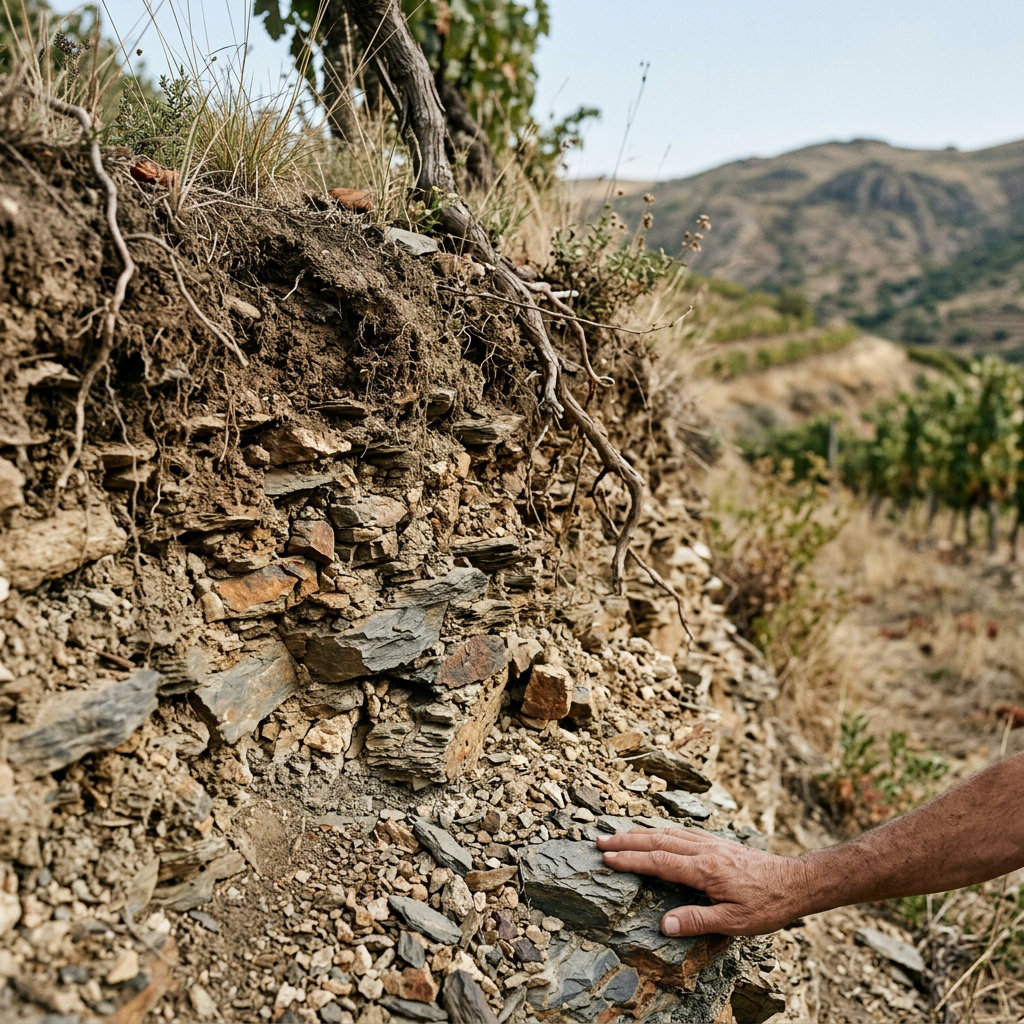
In the Spanish region of Priorat, vineyards are planted on steep hills at altitudes of up to 700 meters above sea level. The soils here consist of crumbly quartz slate, known as licorella. This substrate reflects sunlight and warms up deeply, contributing to the full ripening of the Garnacha and Cariñena varieties.

The slope of the hills forces winemakers to use terraced planting. Due to the dry Mediterranean climate and poor soils, yields in Priorat are extremely low—often less than one kilogram of grapes per vine. The vines are forced to seek moisture at depths of tens of meters, pushing their roots through dense slate plates.

Priorat wines are powerful, high in alcohol, with intense notes of ripe cherry, licorice, and a pronounced mineral character. Exposure here helps balance the hot climate: vineyards on northeastern slopes produce finer, fresher wines, compensating for the excessive power of southern plots.

Want to Experience the Influence of Terroir?

Our collection features wines from Europe's finest slopes—from piercing Mosel Rieslings to powerful Priorat wines. Discover the difference in styles born of topography. Choose your perfect wine in the Solo Wine catalog.

Learn more
Home
Favorites
Catalog
Cart
Log in