



Two Sides of Málaga: From Historic Sweet Wines to High-Altitude Avant-Garde

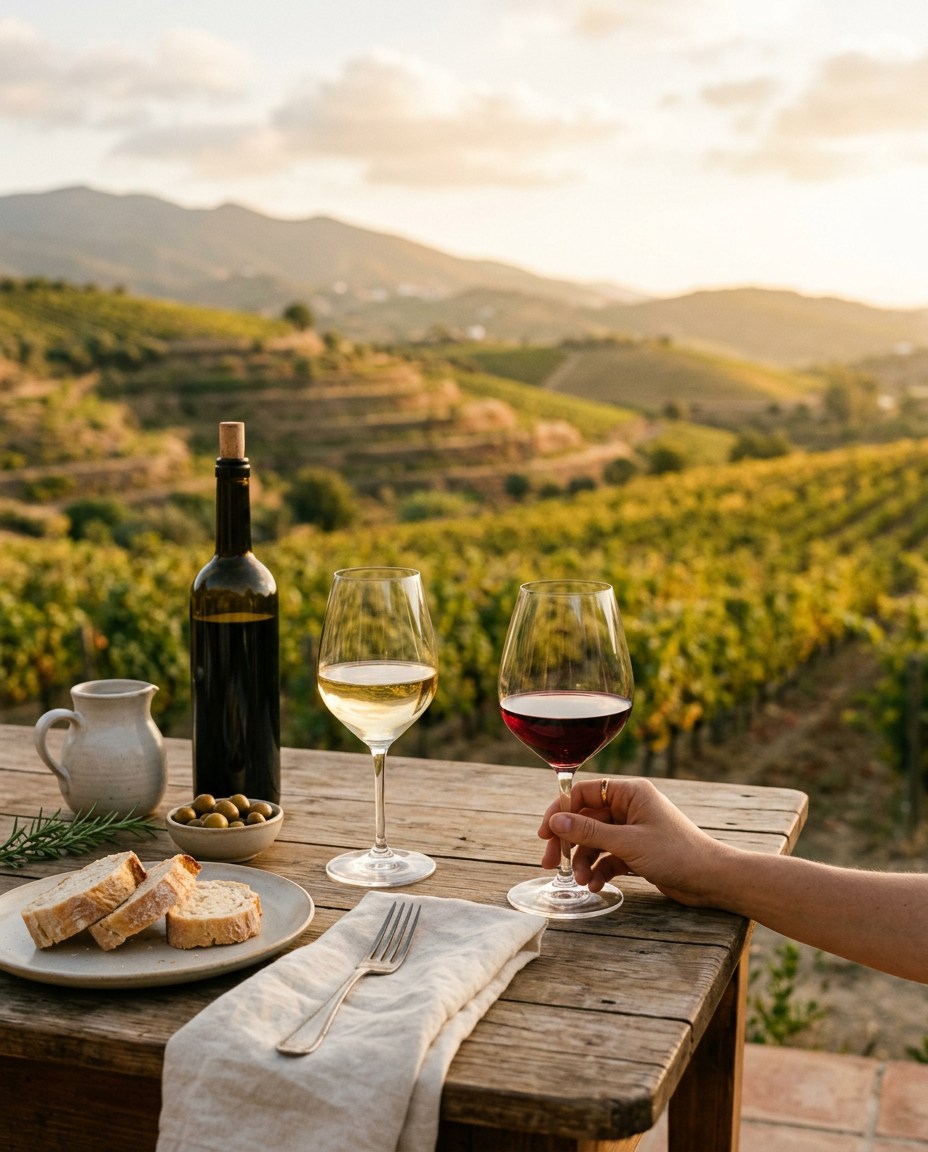
The winemaking of Málaga province unites two distinct philosophies under two designations of origin. The historic D.O. Málaga is famous for dessert wines, while the young D.O. Sierras de Málaga represents dry still wines with a pronounced mountain character.

Stylistic Division: D.O. Málaga and D.O. Sierras de Málaga

A single geographical region produces wines of two fundamentally different categories, regulated by separate sets of rules.

A Historic Compromise

Historically, Málaga was associated exclusively with sweet wines. To protect this heritage and allow winemakers to produce dry styles, a separate appellation, D.O. Sierras de Málaga, was established in 2001. Today, both zones overlap geographically but are separated by wine styles.

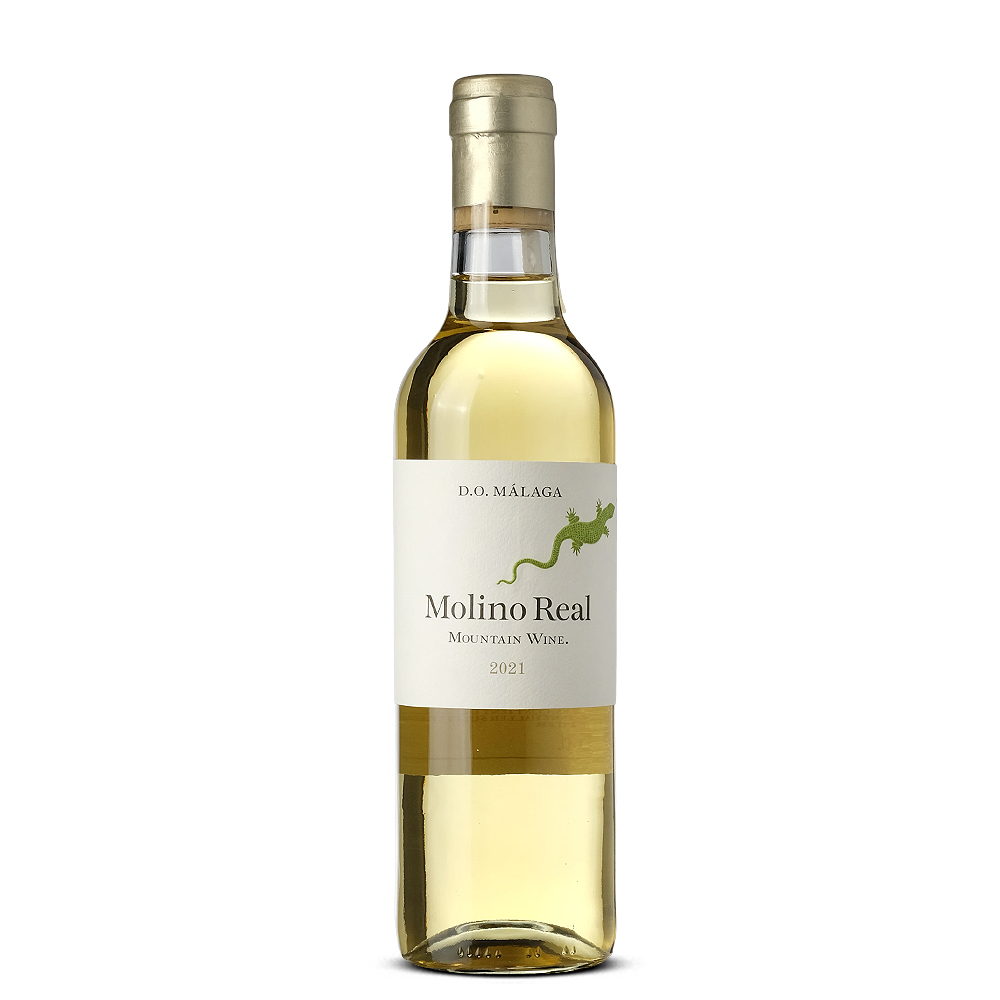
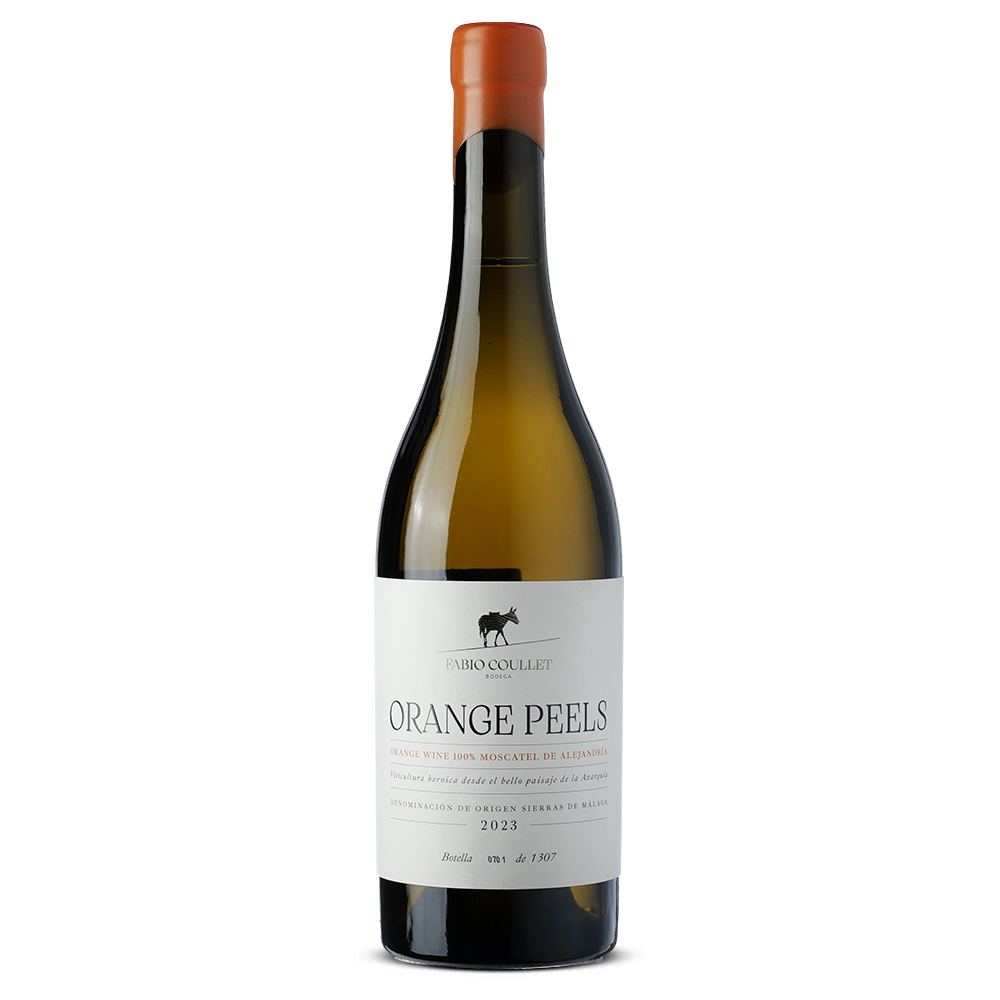
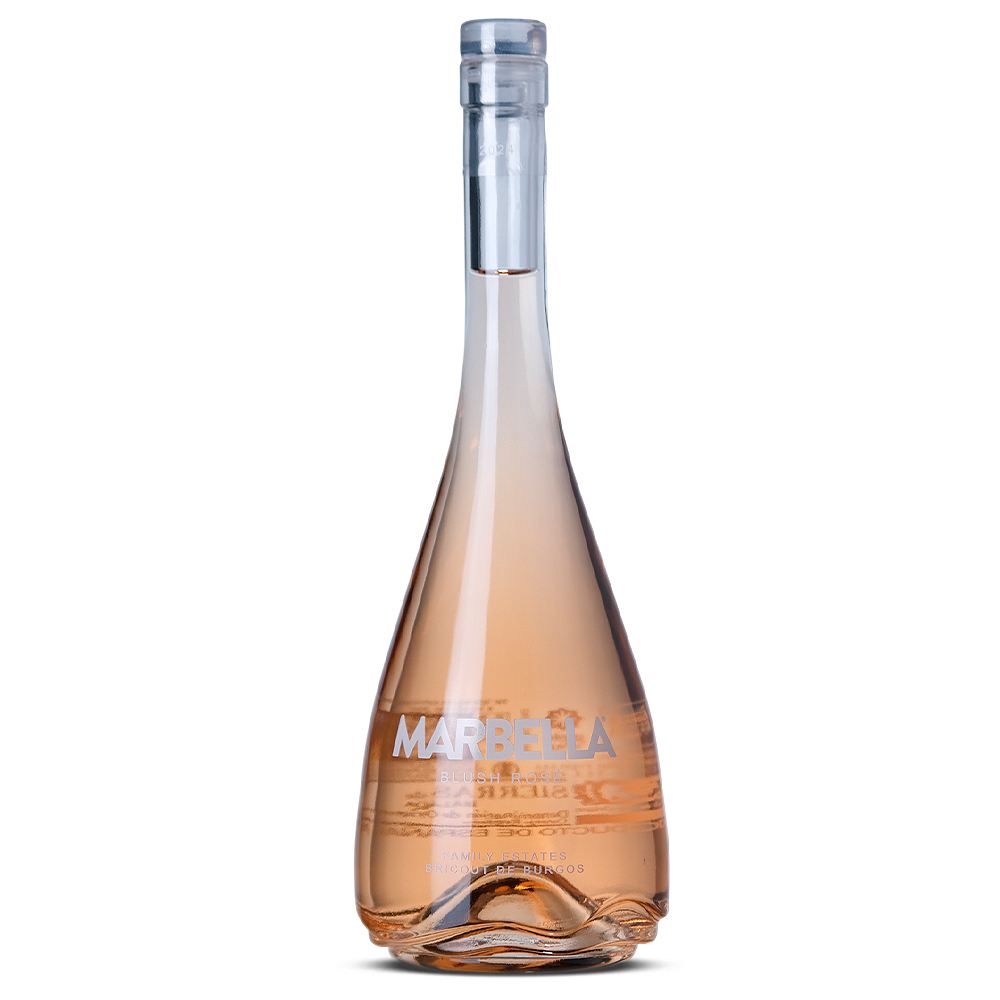
Only liqueur and naturally sweet wines made from Moscatel de Alejandría and Pedro Ximénez are released under the D.O. Málaga label. In turn, D.O. Sierras de Málaga regulates the production of white, rosé, and red dry wines. This division has preserved historical grape-drying methods while revealing the potential of local high-altitude terroirs to the world.

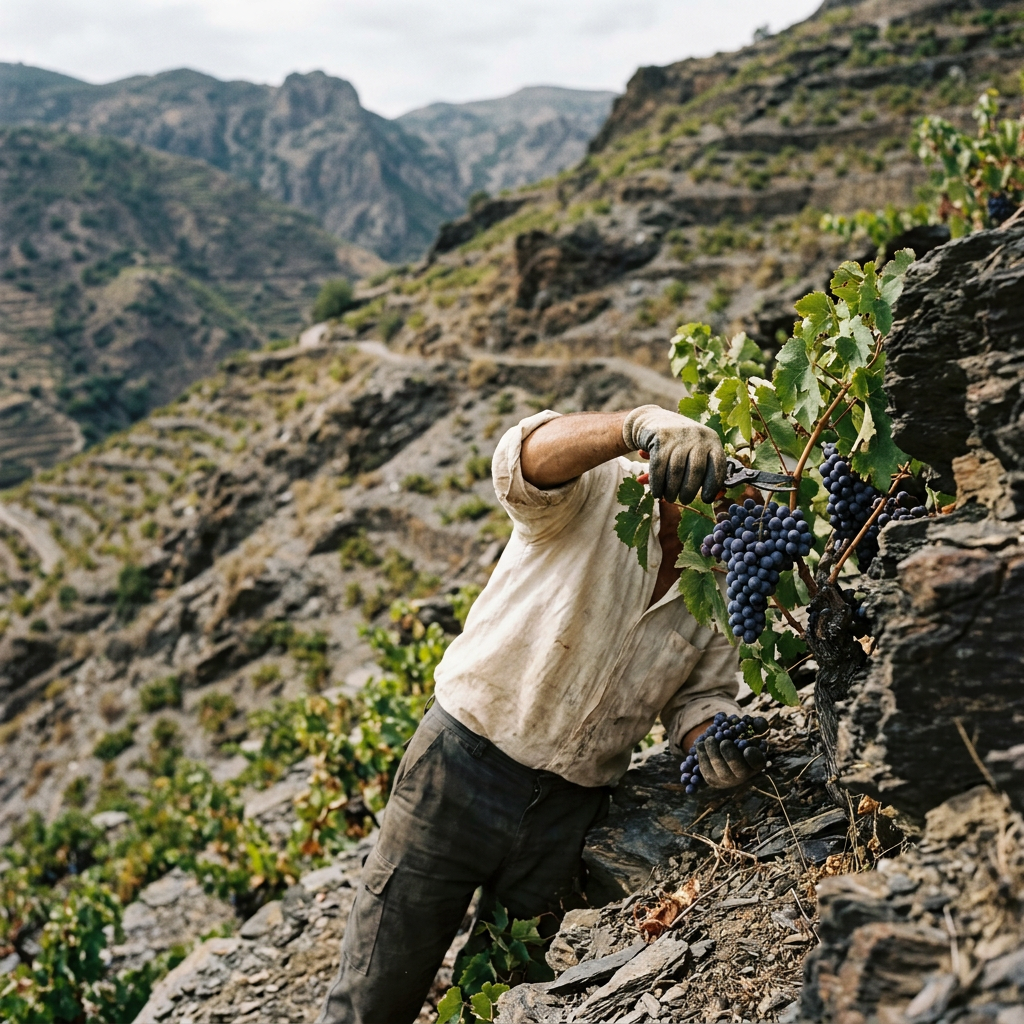
Four Pillars of Málaga Terroir

01

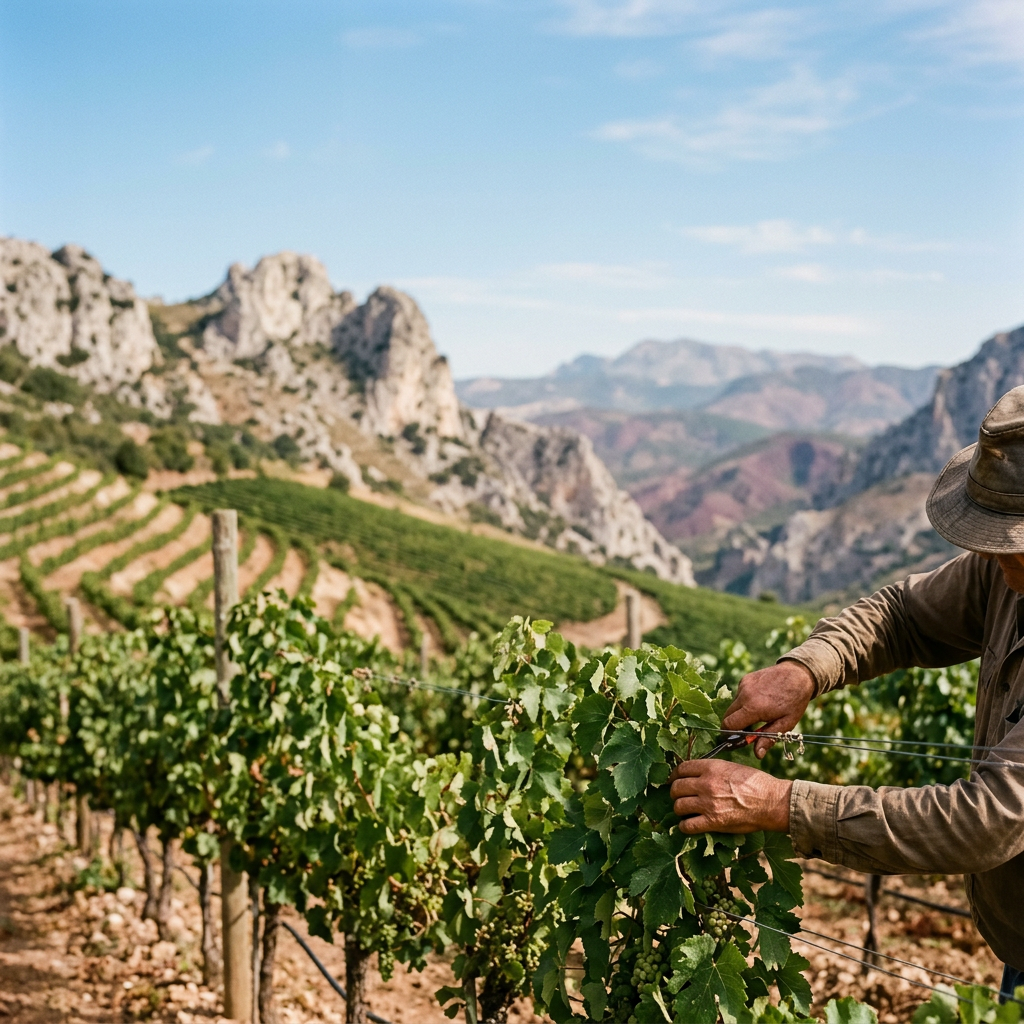
Steep Slopes of Axarquía

Vineyards on slopes up to 60 degrees require exclusively manual labor.

Steep Slopes of Axarquía
02

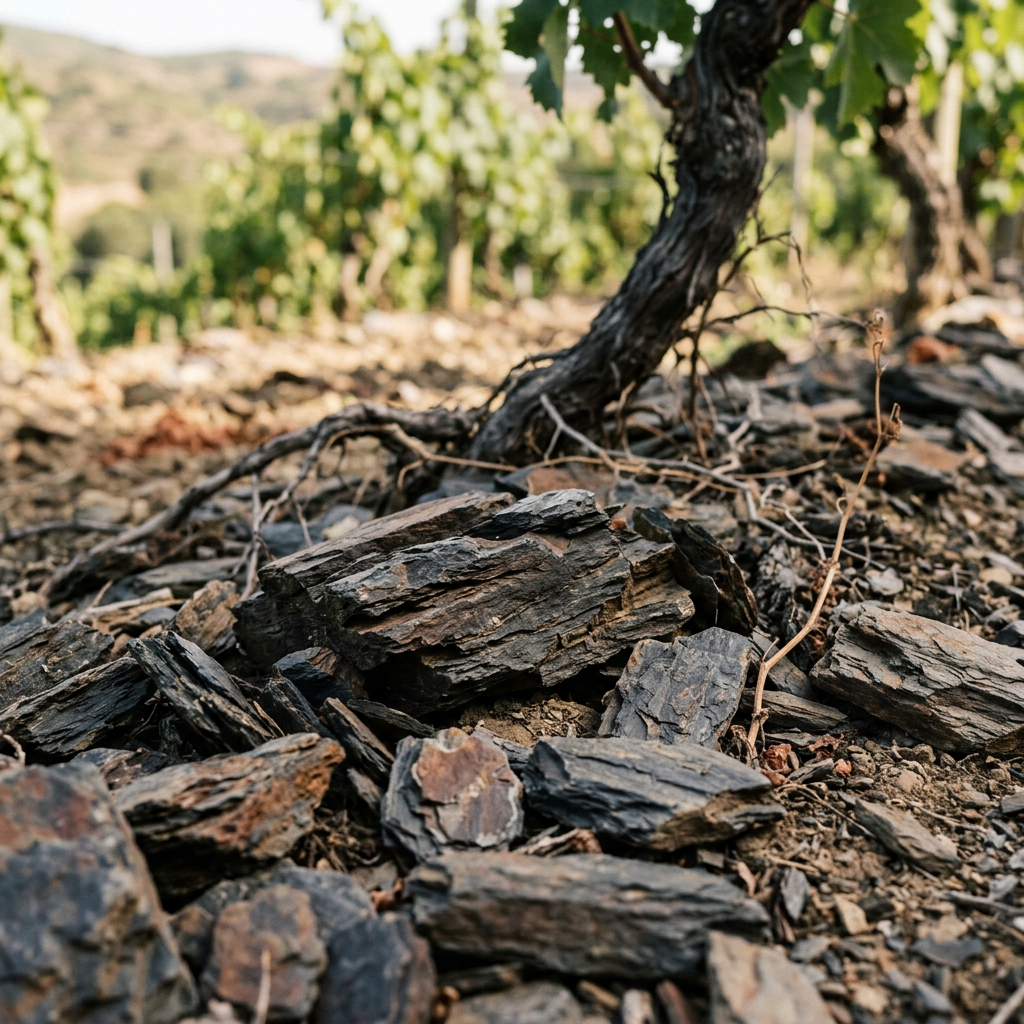
Schist Soils

Ancient decomposing schists reflect heat and limit vine yields.

Schist Soils
03

High Altitude of Ronda

Vineyards at altitudes up to 1,000 meters provide cool nights and freshness.

High Altitude of Ronda
04

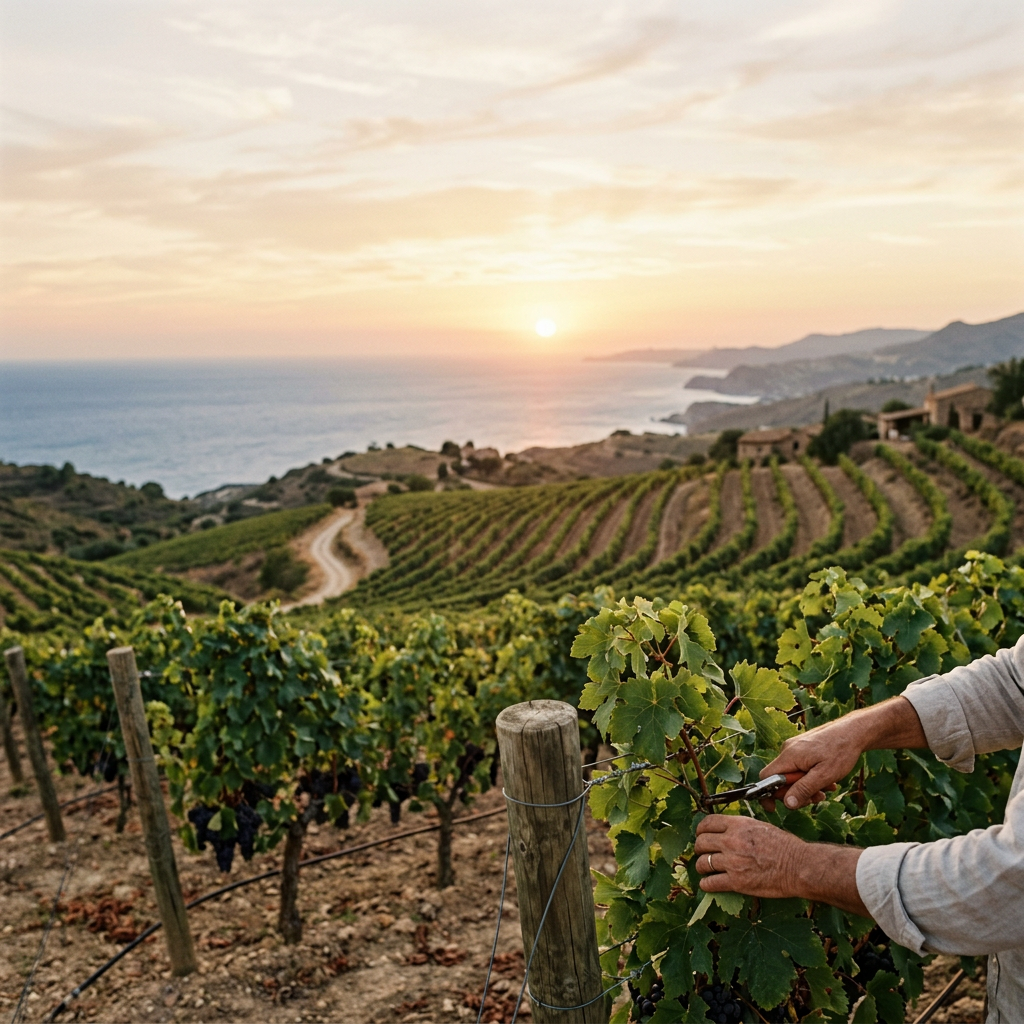
Mediterranean Influence

Sea breezes mitigate summer heat and prevent overripening of grapes.

Mediterranean Influence

The Art of Pasero: Natural Sugar Concentration

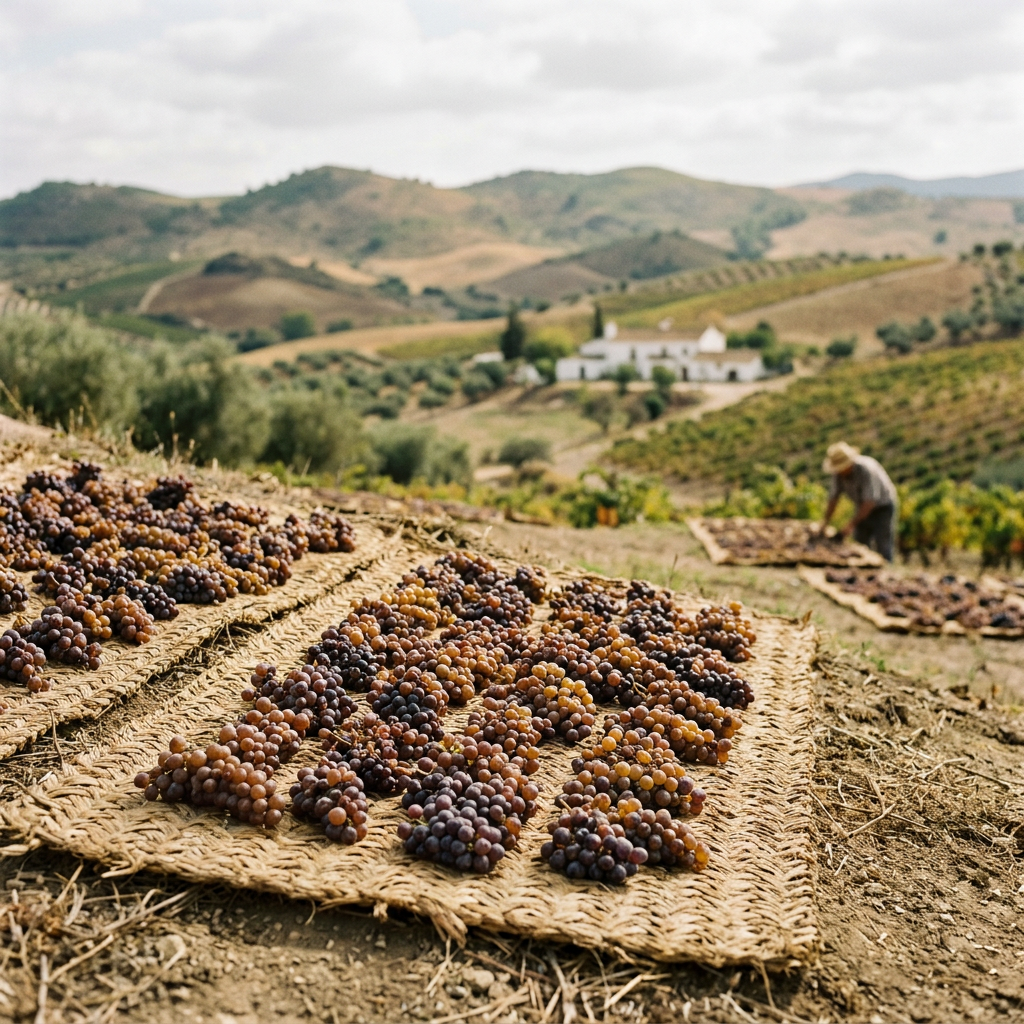
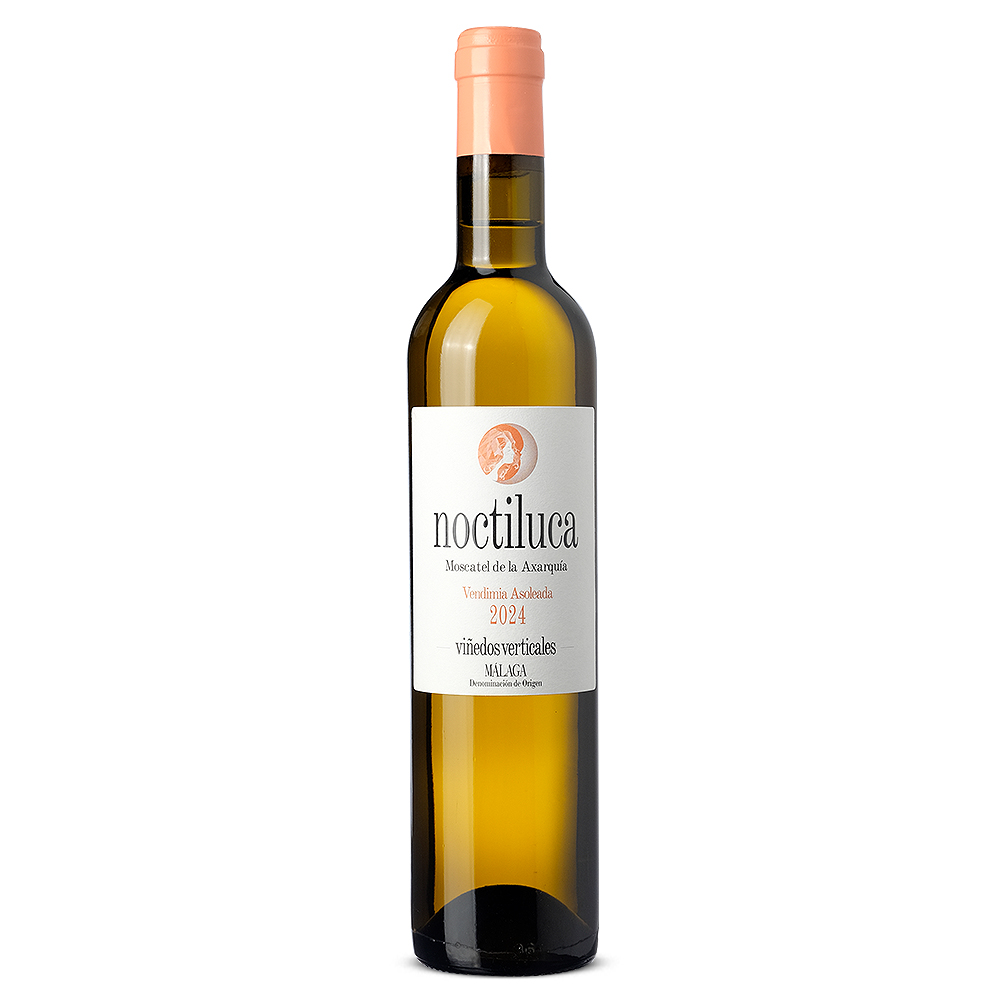
The traditional method of producing sweet wines in D.O. Málaga involves sun-drying grapes, known as asoleo. Hand-harvested bunches of Moscatel de Alejandría or Pedro Ximénez are laid out on special circular areas called paseros, paved with stone or covered with straw. Under the sun, the berries lose moisture, concentrating sugars and acids.

Winemakers turn the bunches by hand for even drying and cover them at night to protect from dew. This results in raw material with high sugar content, from which a dense, aromatic must is pressed.

Depending on the technique, fermentation stops naturally or is arrested by adding wine spirit. The finished wines feature a complex bouquet with notes of raisins, figs, and honey, while retaining vibrant acidity due to the unique terroir.

Varietal Atlas of the Region

The uniqueness of Málaga lies in the combination of ancient indigenous varieties and successfully adapted international ones.

Moscatel de Alejandría

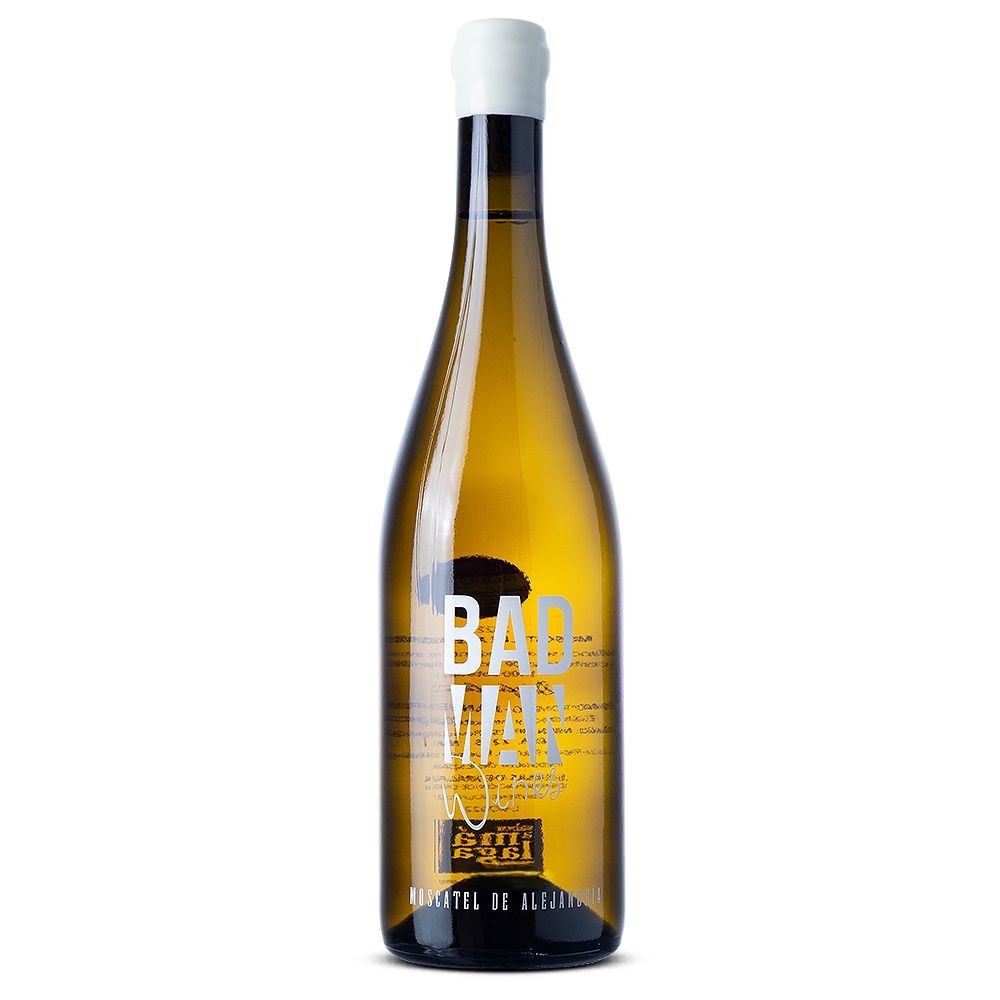
The region's primary white variety for both sweet and dry styles. In Axarquía, it yields intense aromas with notes of white flowers, peach, and citrus zest.

Rare Autochthons: Romé and Doradilla

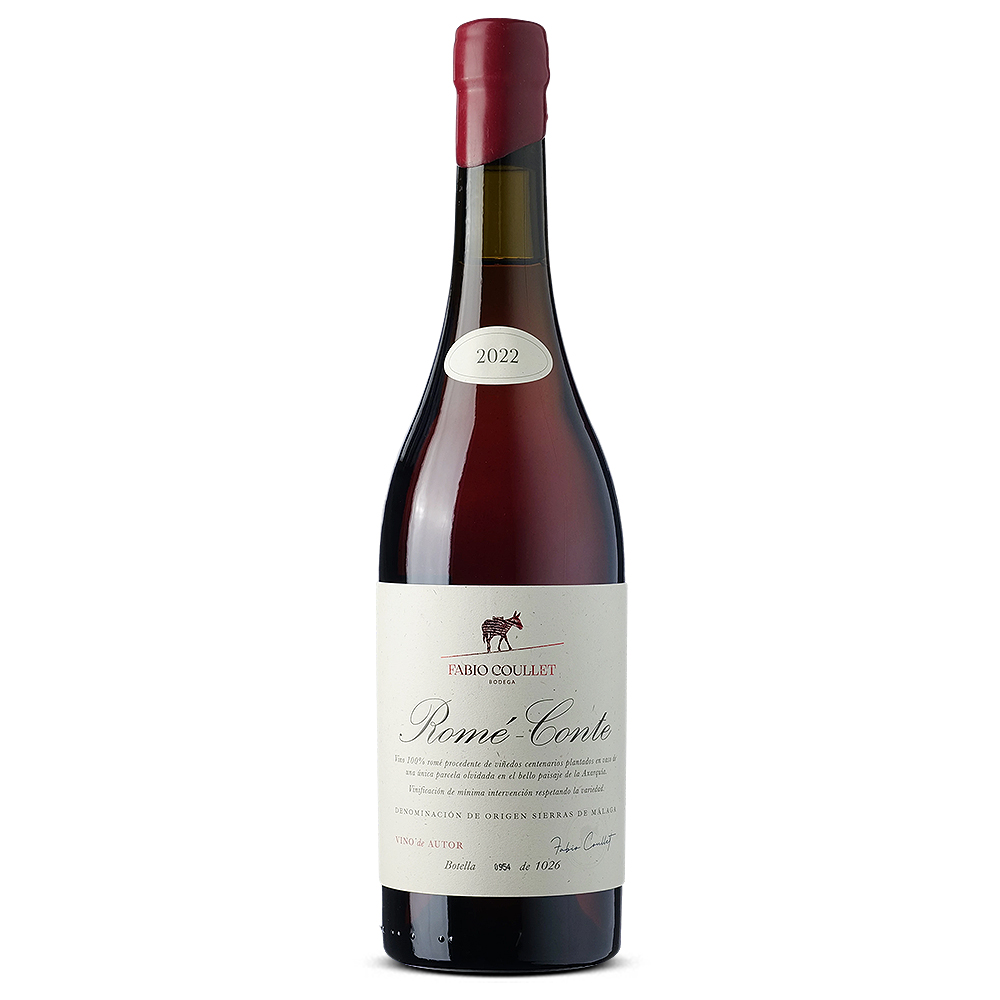
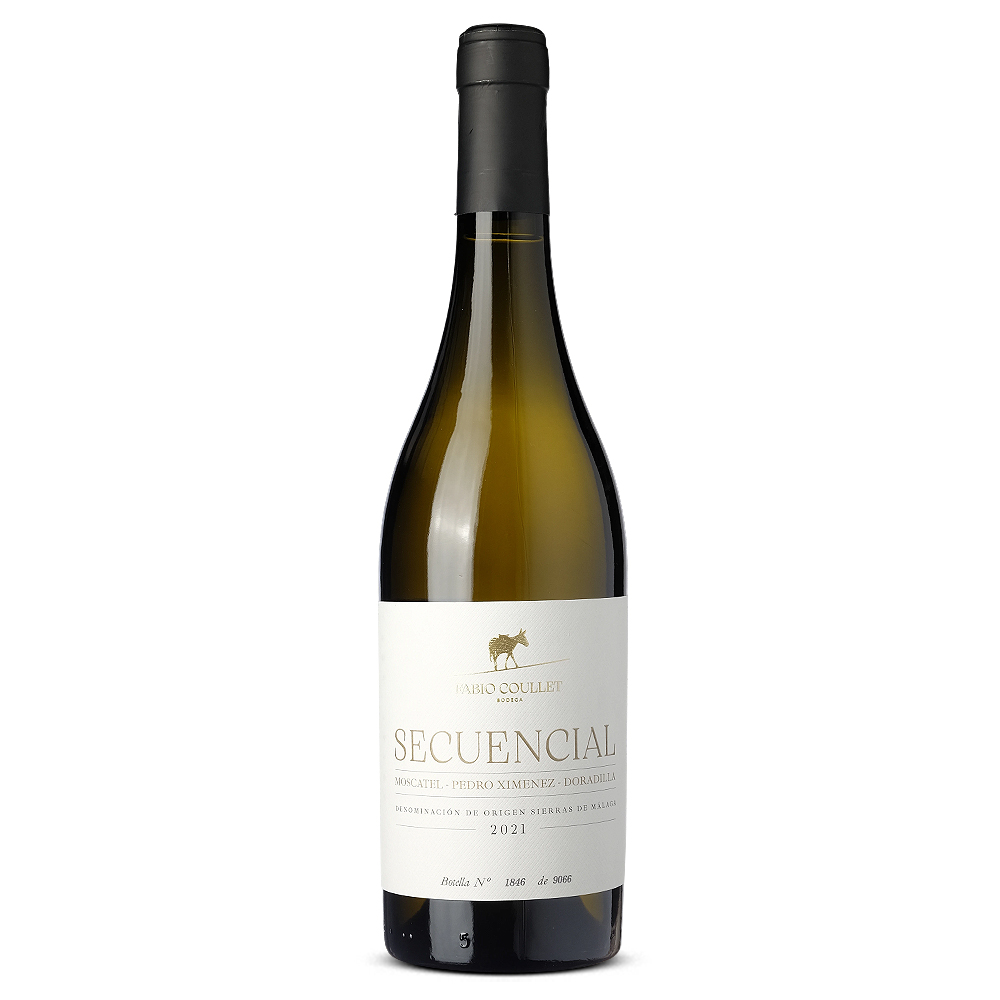
Romé is a rare red indigenous variety of Málaga, producing light wines with high acidity and wild berry notes. The white variety Doradilla is valued for its ability to retain freshness in hot climates.

International Varieties in Ronda

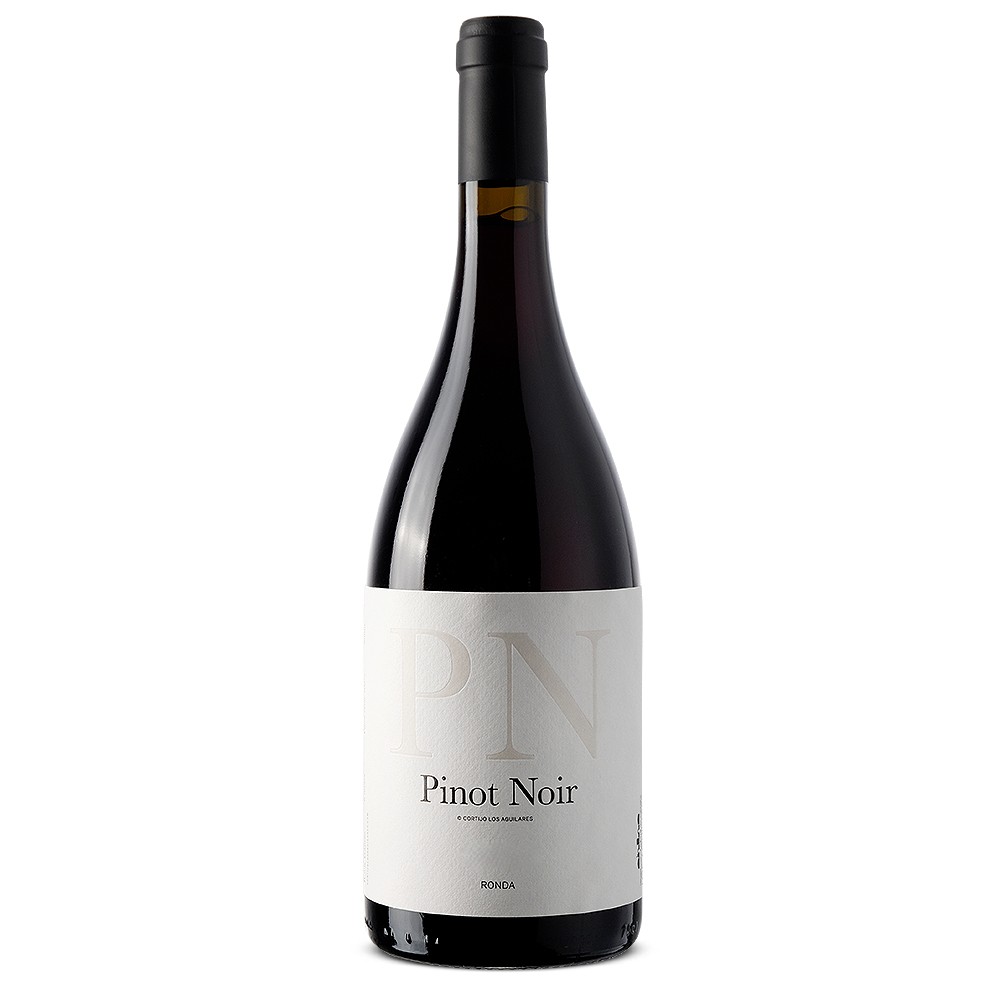
In the cool mountain subclimate of Serranía de Ronda, Petit Verdot, Syrah, and Pinot Noir have adapted well. Here they acquire elegance, good acidity, and a pronounced mineral character.

Subzones and Their Character

The landscape of Málaga province is divided into several zones, each dictating its own winemaking style.

Axarquía

An extreme zone in the east of the province. Vineyards are located on steep schist slopes without terraces. Due to the impossibility of mechanization, all work is done by hand. This is the birthplace of the finest sweet wines from Moscatel de Alejandría.

Serranía de Ronda

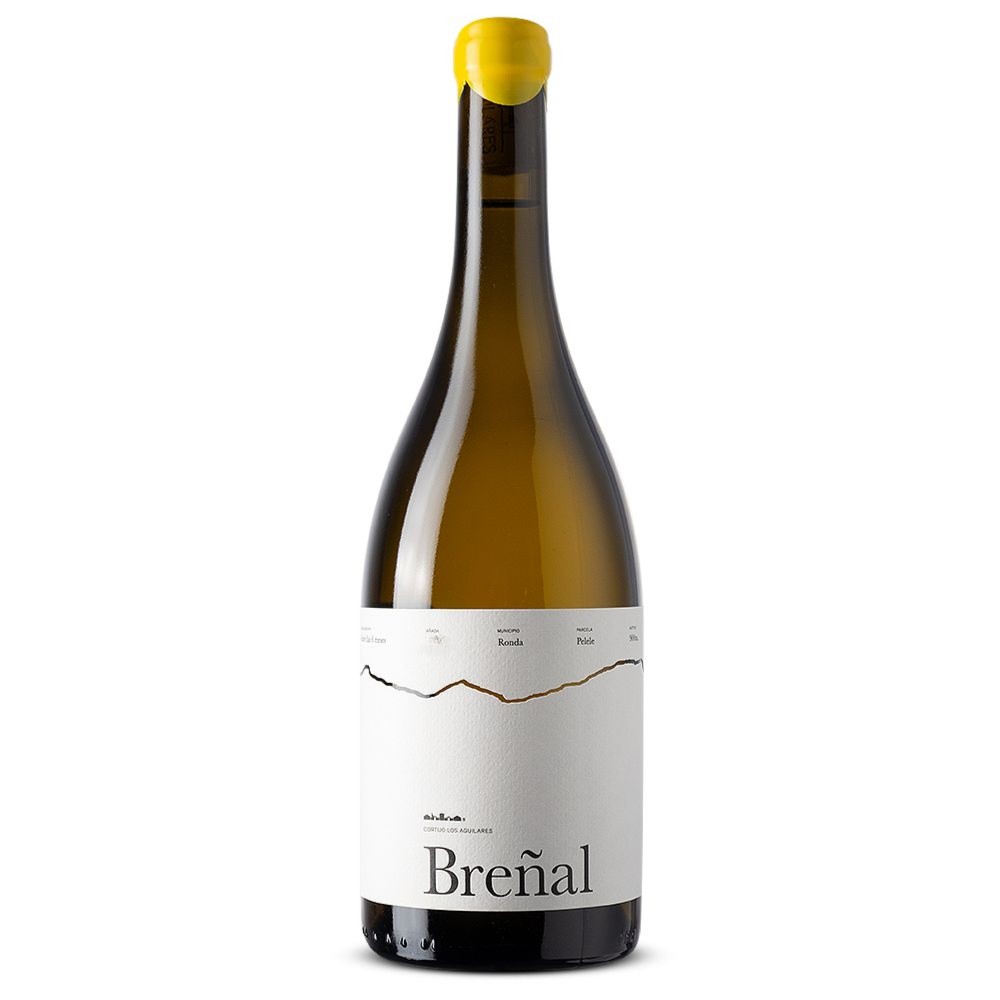
A high-altitude plateau in the west. Altitudes up to 1,000 meters above sea level ensure significant diurnal temperature variations. This zone produces the most complex and fresh red wines of D.O. Sierras de Málaga.

Zona Norte

The northern part of the province with a continental climate. The main variety is Pedro Ximénez, used to produce both traditional sweet wines and dense dry styles.

Would you like to discover Málaga wines?

Our Solo Wine collection features both rare sweet masterpieces from Axarquía and avant-garde dry wines from Ronda. Explore the diverse terroirs of southern Spain in our catalog.

Learn more
Home
Favorites
Catalog
Cart
Log in