
Time in Oak: The Difference Between Roble, Crianza, and Reserva

Oak aging alters not only a wine's aroma but also its structure. In Spanish winemaking, the Roble, Crianza, and Reserva categories are strictly regulated by law. Understanding these differences helps you choose the right wine for your taste and food pairings.

The Spanish Wine Aging Classification System

Spain's wine classification by aging time is one of the most rigorous and transparent systems in the world.

Legal Standards for Aging

Unlike many other winemaking countries where label terms are left to the producer's discretion, Spain enforces these rules by law. Local regulatory councils (Consejo Regulador) monitor every stage of production. For red wines, the key maturity markers are Roble, Crianza, Reserva, and Gran Reserva.

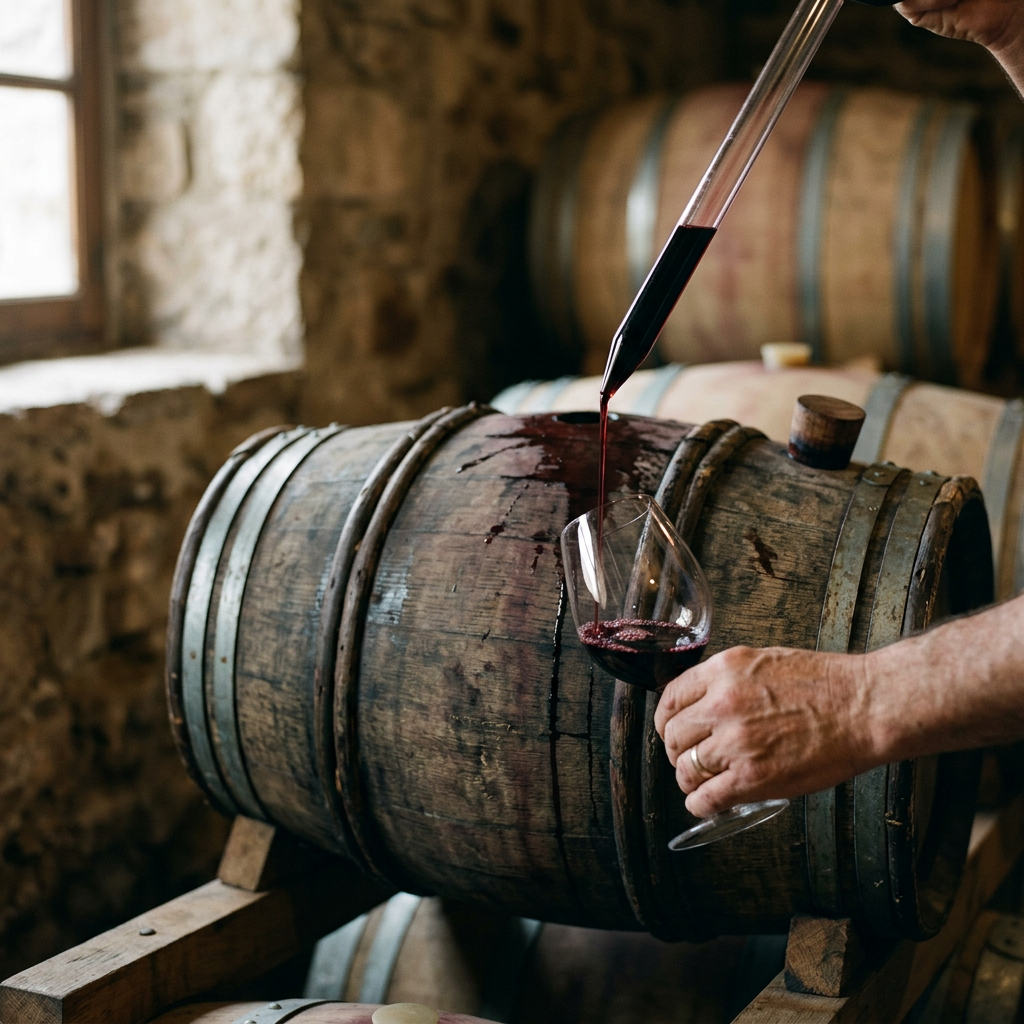
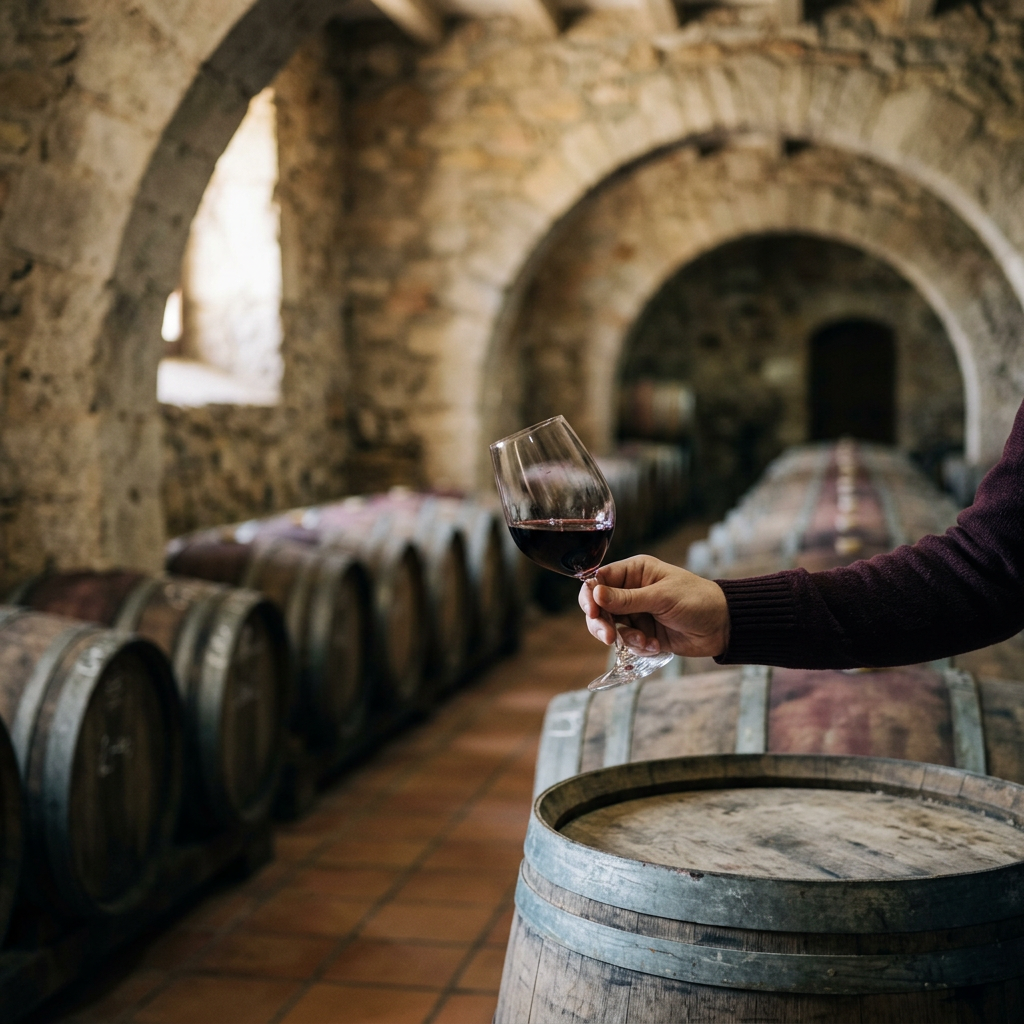
Time spent in oak barrels and bottles directly affects the organoleptic profile. Young wines retain vibrant fruitiness, while prolonged contact with wood enriches the wine with tannins and aromas of spices, vanilla, leather, and tobacco. Using Ribera del Duero wines like Conde de Siruela as an example, one can trace how the character of the Tempranillo variety (known locally as Tinto Fino) evolves depending on the aging period.

Four Factors of Wine Evolution

01

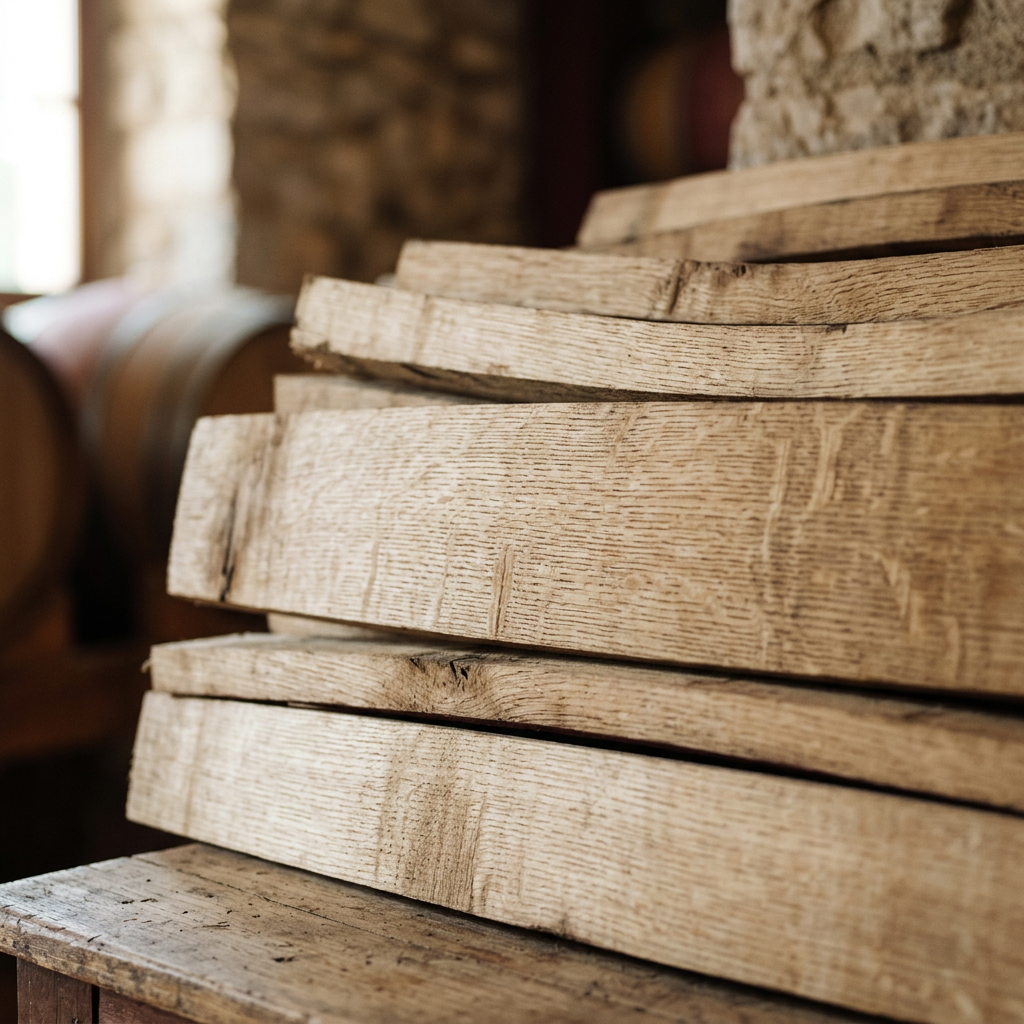
Oak volume and type

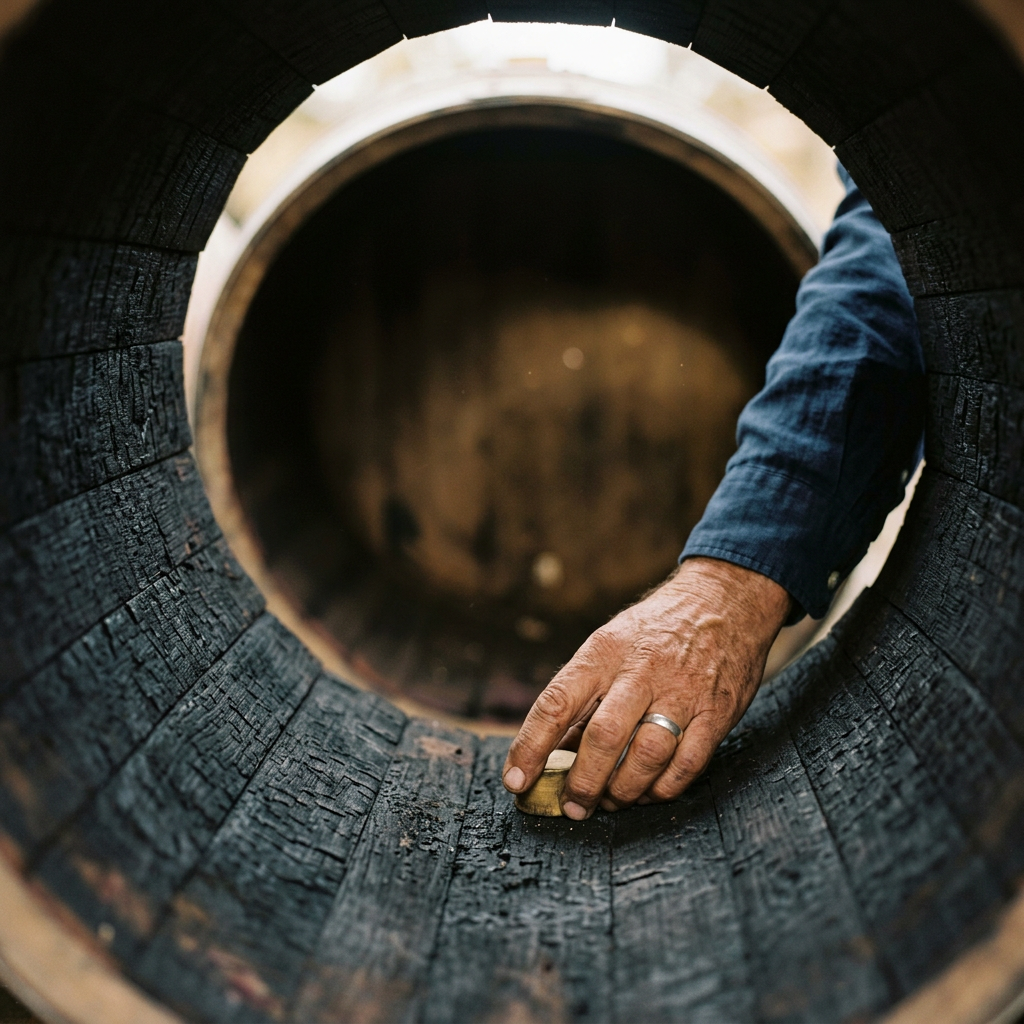
French oak gives subtle spice, American adds bright vanilla.

Oak volume and type
02

Barrel toast level

Light toast preserves fruit; heavy toast adds smoky notes.

Barrel toast level
03

Micro-oxygenation

Oxygen slowly enters through wood pores, softening tannins.

Micro-oxygenation
04

Cellar temperature

Stable cool temperatures slow aging, preserving acidity.

Cellar temperature

The Specifics of Tinto Fino in Ribera del Duero

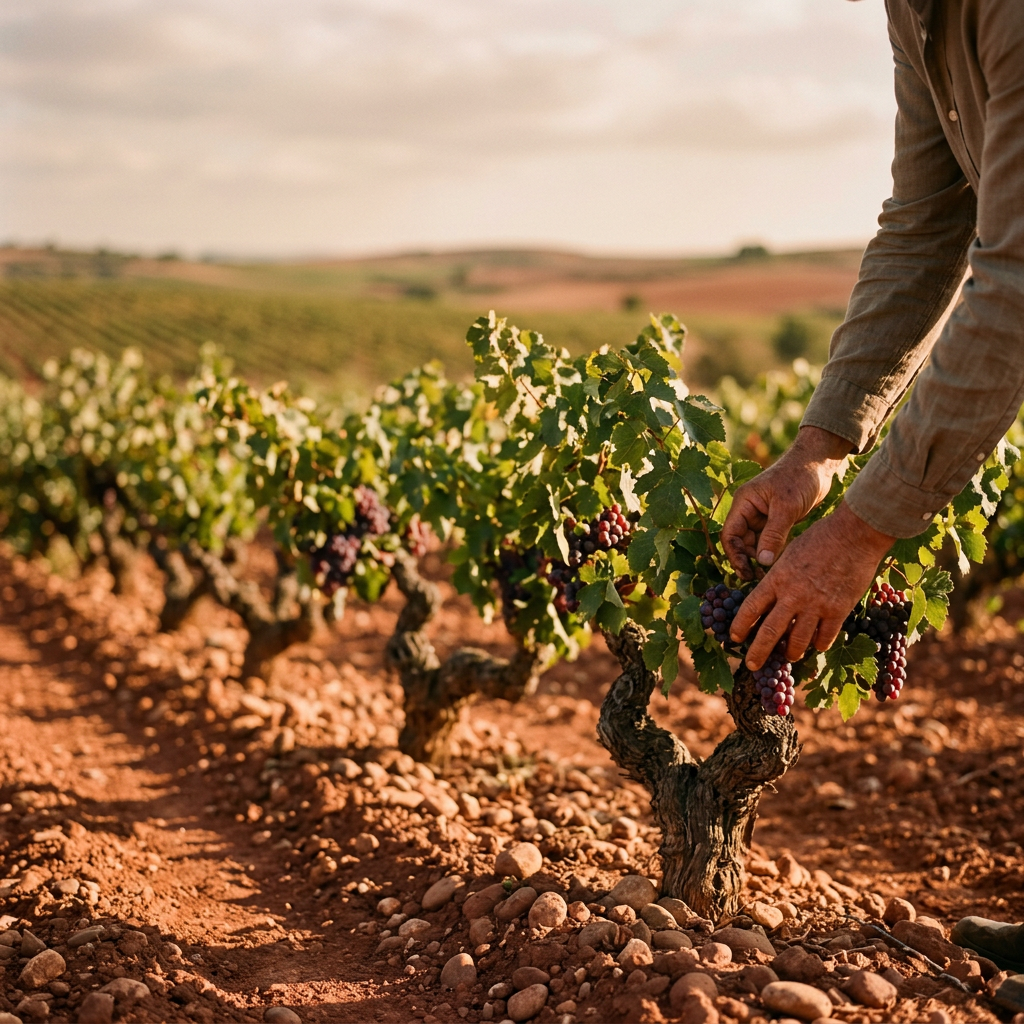
In the Ribera del Duero region, the Tempranillo variety develops thicker skins and higher acidity than in neighboring Rioja. This is due to the continental climate: hot days and cold nights at altitudes around 800 meters above sea level. Such grapes possess immense aging potential, requiring precise and delicate work with oak.

The Frutos Villar winery leverages the unique characteristics of each vineyard to craft the Conde de Siruela range. Young vines are used for lighter styles, while low-yielding old vines provide concentrated juice capable of developing in barrels for years.

Aging is not merely about preserving wine, but about its evolution. During maturation, primary berry aromas transform into complex tertiary notes, making the texture velvety and the finish persistent.

Three Stages of Maturity: Roble, Crianza, and Reserva

Each style has strict aging timeframes and specific gastronomic purposes.

Conde de Siruela Roble: The Energy of Youth

The Roble category indicates that the wine has spent less time in oak than required for Crianza—typically between 4 and 6 months. In the case of Conde de Siruela Roble, this preserves a dominant profile of fresh black berries, cherry, and blackberry, accented only slightly by subtle hints of vanilla.

This wine features bright acidity and noticeable yet soft tannins. It is excellent for everyday enjoyment or casual gatherings, requiring no decanting before serving.

Conde de Siruela Crianza: Classic Balance

To qualify as Crianza in Ribera del Duero, a red wine must be aged for at least 24 months, with a minimum of 12 months in oak barrels. Conde de Siruela Crianza showcases a balance between ripe fruit and wood influence.

The bouquet reveals notes of spices, licorice, tobacco leaf, and a touch of cocoa. The tannins become rounder and more velvety. This is a versatile, food-friendly wine capable of developing in the bottle for several years.

Conde de Siruela Reserva: Depth and Complexity

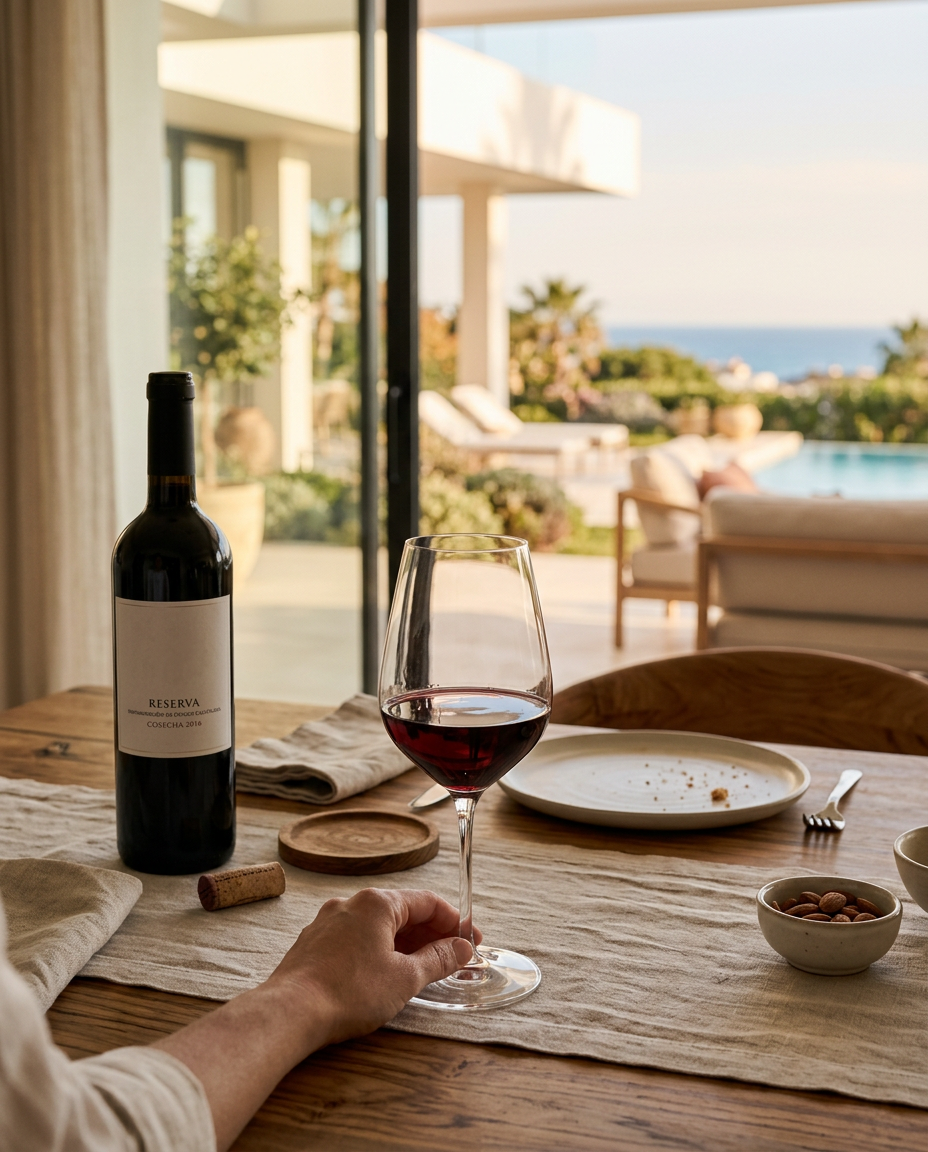
The Reserva category requires a minimum of 36 months of total aging, with at least 12 months in oak and the remainder in the bottle before release. Conde de Siruela Reserva is produced only in exceptional vintage years from old-vine grapes.

This is a complex, full-bodied wine dominated by notes of leather, forest floor, prune, dried herbs, and noble oak. Fruit notes recede, giving way to a complex tertiary palette. This wine requires decanting.

Aging Specifics in Key Spanish Regions

While classification rules are national, each region emphasizes different aspects.

Ribera del Duero: Power and Structure

Local regulations are often stricter than national ones. Winemakers in Ribera del Duero focus on dense, concentrated wines with a pronounced tannin structure and active use of new French oak, yielding a modern style.

Rioja: Tradition and Elegance

Historically, American oak is preferred here, imparting characteristic sweet notes of vanilla and coconut. Rioja Crianza and Reserva wines are typically lighter-bodied and more acidic compared to those from Ribera del Duero.

Priorat: An Alternative Path

In this Catalan region, the classic Crianza/Reserva system is less common. Local winemakers prefer aging in French barriques and large foudres, aiming to highlight the unique slate character of the llicorella soils.

Which Category Will You Choose?

In the Solo Wine catalog, you will find the complete Conde de Siruela range, from young Roble releases to aged Reserva. Compare these styles in your own tasting to experience firsthand the influence of time on the character of Spanish Tempranillo.

Visit our catalog to select the perfect wine for your dining plans.

Learn more
Home
Favorites
Catalog
Cart
Log in