


Mencía: The Atlantic Character of Spanish Wine

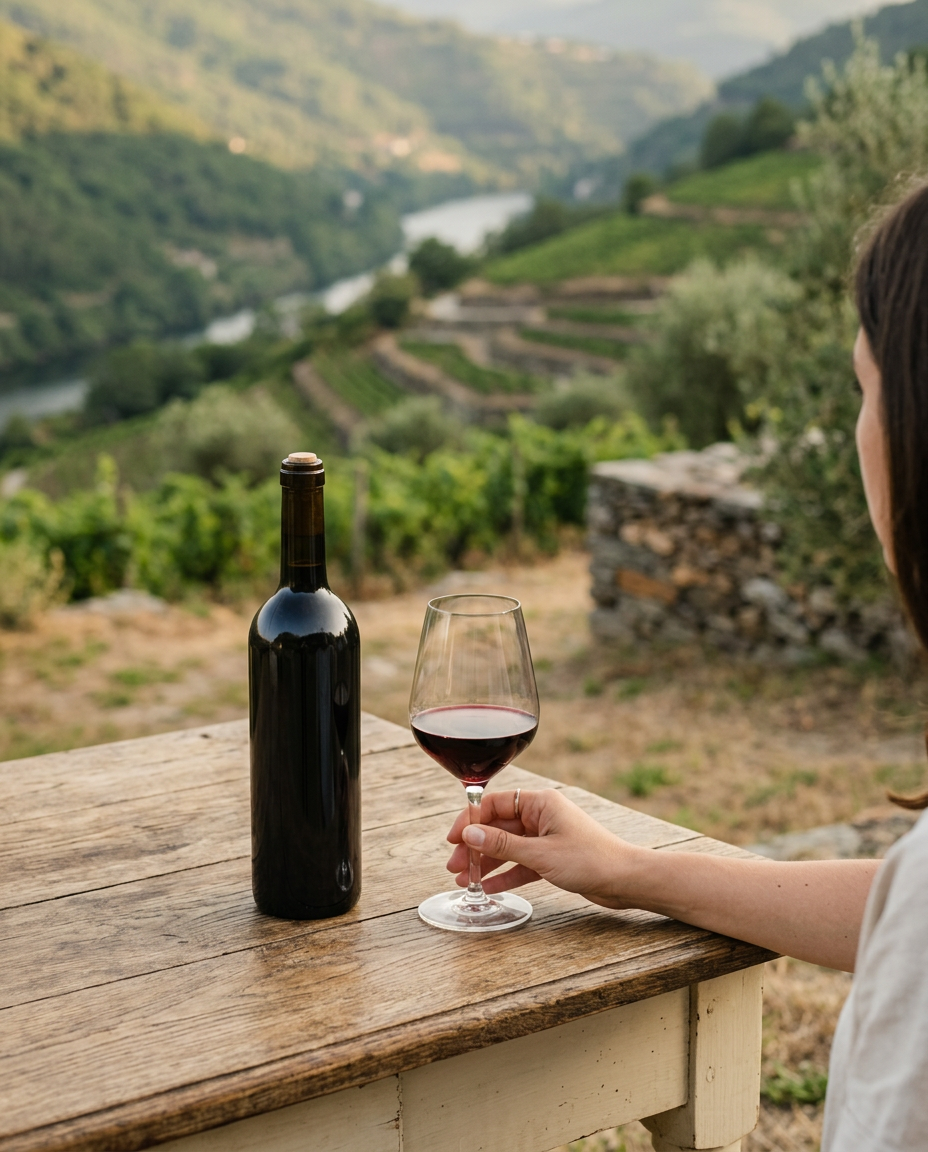
In the northwest of the Iberian Peninsula, a red wine is born that shatters stereotypes of a hot and heavy Spain. The Mencía variety combines juicy berry freshness, delicate perfumed aromatics, and a deep mineral tone. Often compared to Pinot Noir, it firmly retains its own unique identity.

What is Mencía: The Signature of Northwest Spain

This indigenous grape variety remained a local secret for a long time, but today it is experiencing an international renaissance.

Origin and Distinctive Profile of the Variety

Mencía is a red grape variety grown primarily in Galicia and Castilla y León. For a long time, it was hypothesized that Mencía was related to Cabernet Franc due to similar herbaceous nuances in its aroma. However, modern genetic research has disproved this, proving Mencía is identical to the Portuguese variety Jaen. In the glass, the wine reveals bright notes of redcurrant, raspberry, wild cherry, and violet, complemented by hints of damp forest floor and graphite.

Unlike the dense wines of southern Spain, Mencía offers a lighter, more elegant style. It is characterized by high natural acidity and moderate tannins, making the wine highly drinkable and capable of expressing the finest nuances of terroir. Depending on the vineyard site and vinification methods, the style ranges from light and fruity to deep and age-worthy.

Natural Factors Behind Mencía's Freshness

01

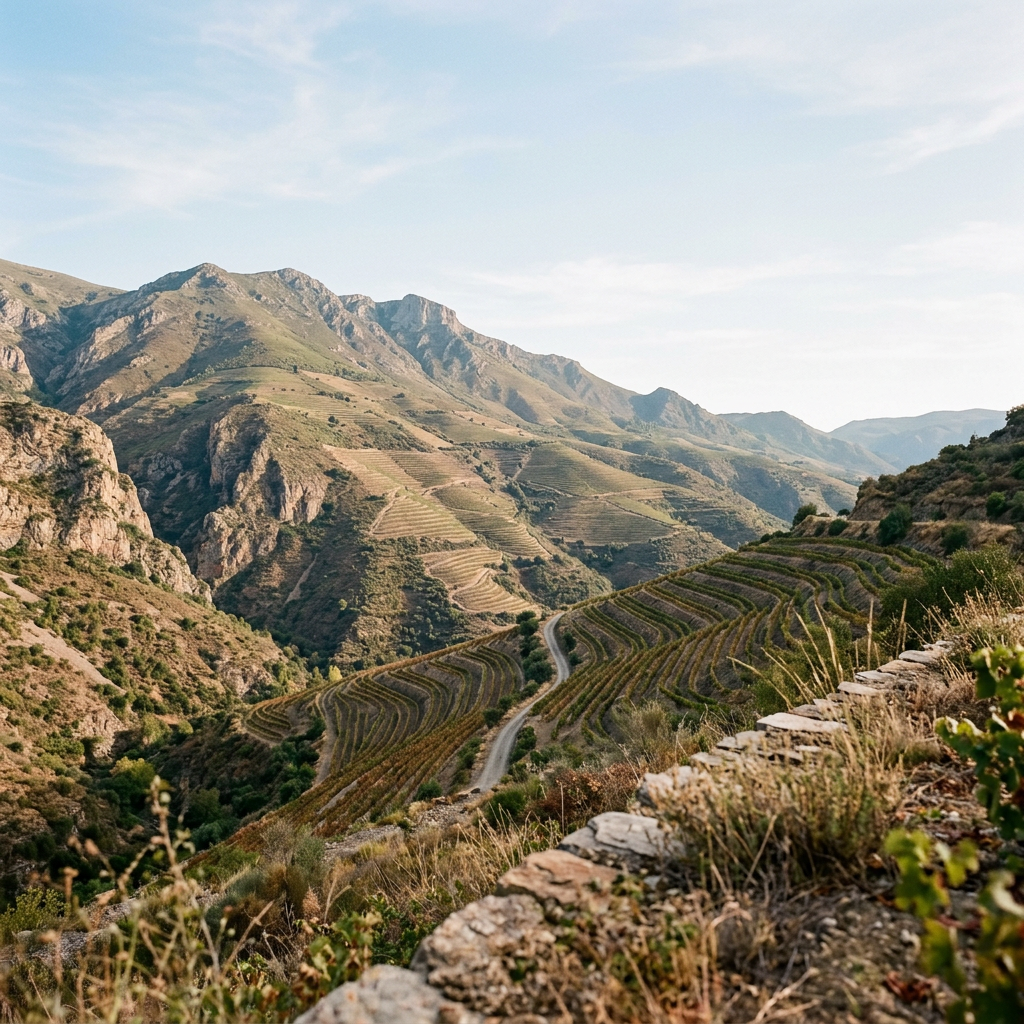
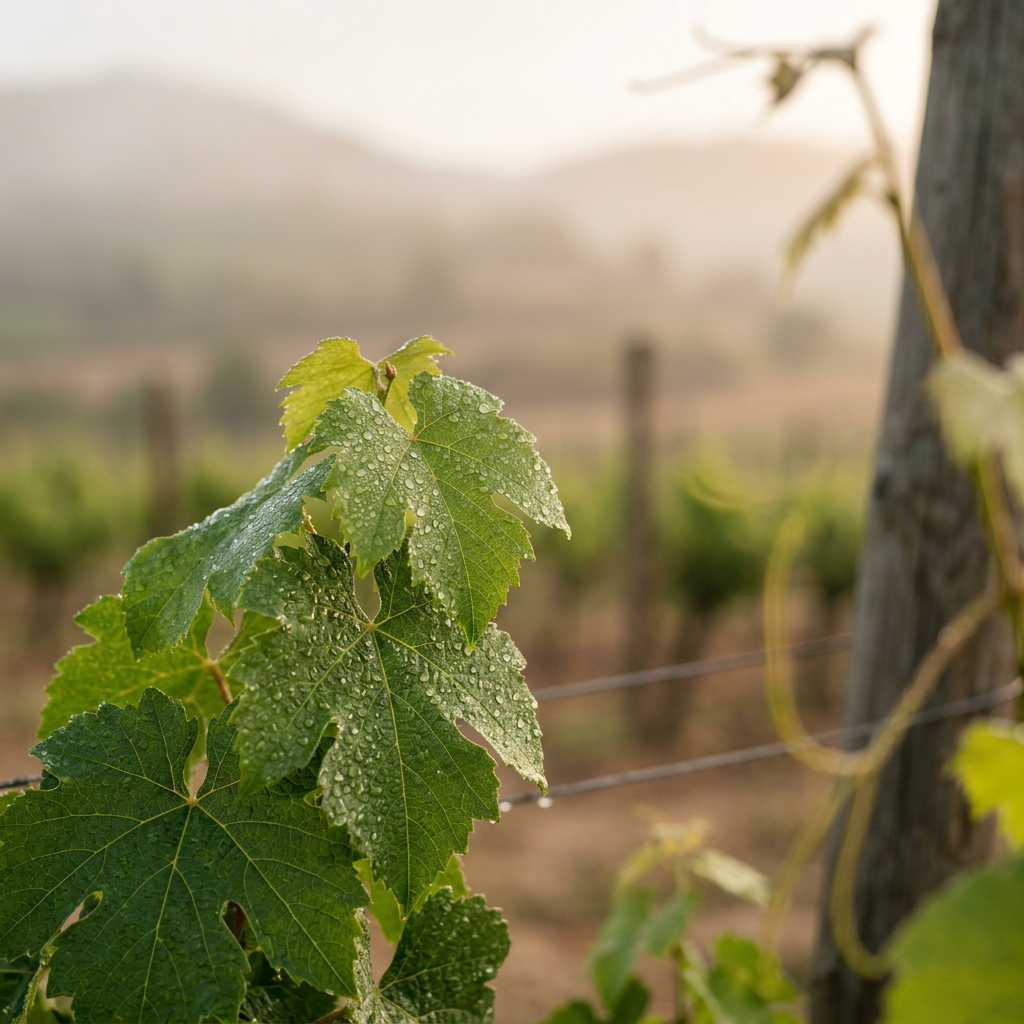
Atlantic Climate

Cool ocean winds help the grapes ripen slowly and evenly.

Atlantic Climate
02

Vineyard Altitude

High-altitude sites preserve night-time coolness and high acidity.

Vineyard Altitude
03

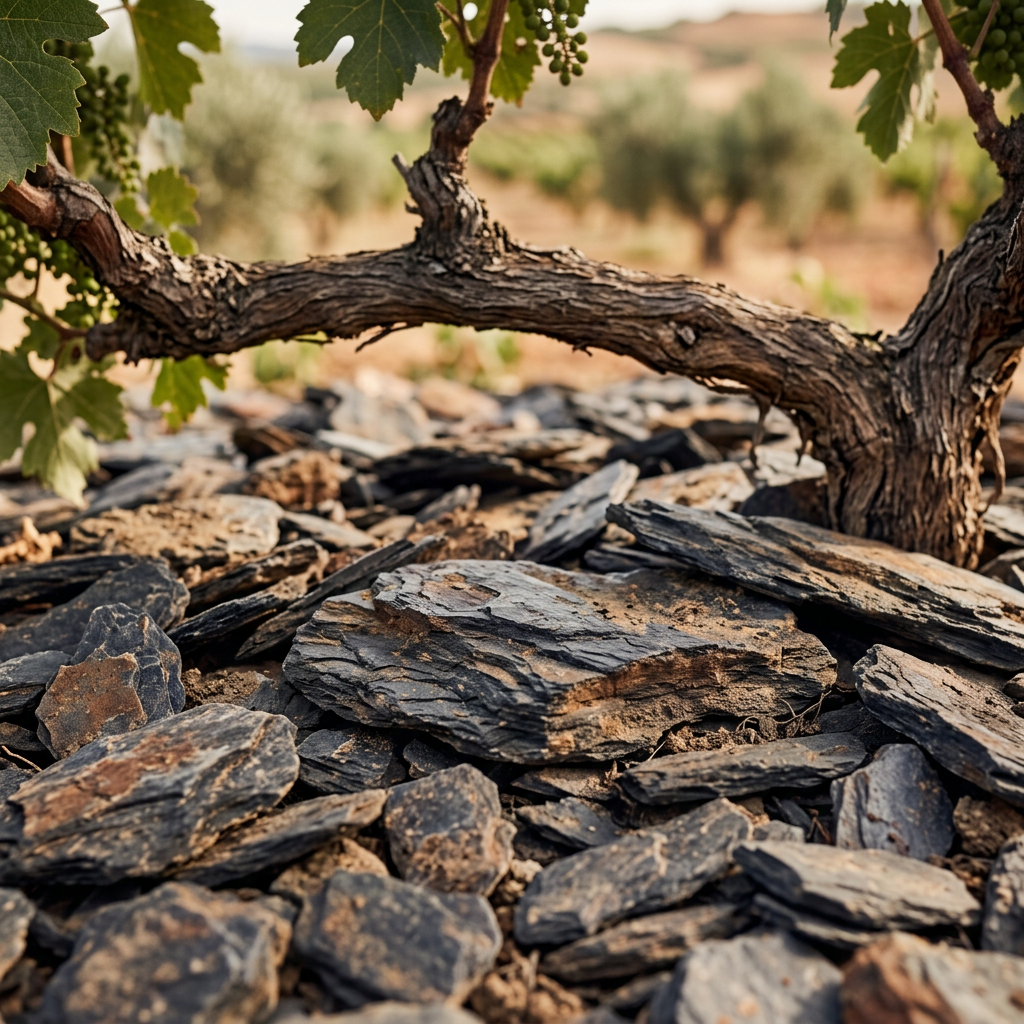
Schist Soils

Poor, stony soils limit vine vigor and concentrate grape flavors.

Schist Soils
04

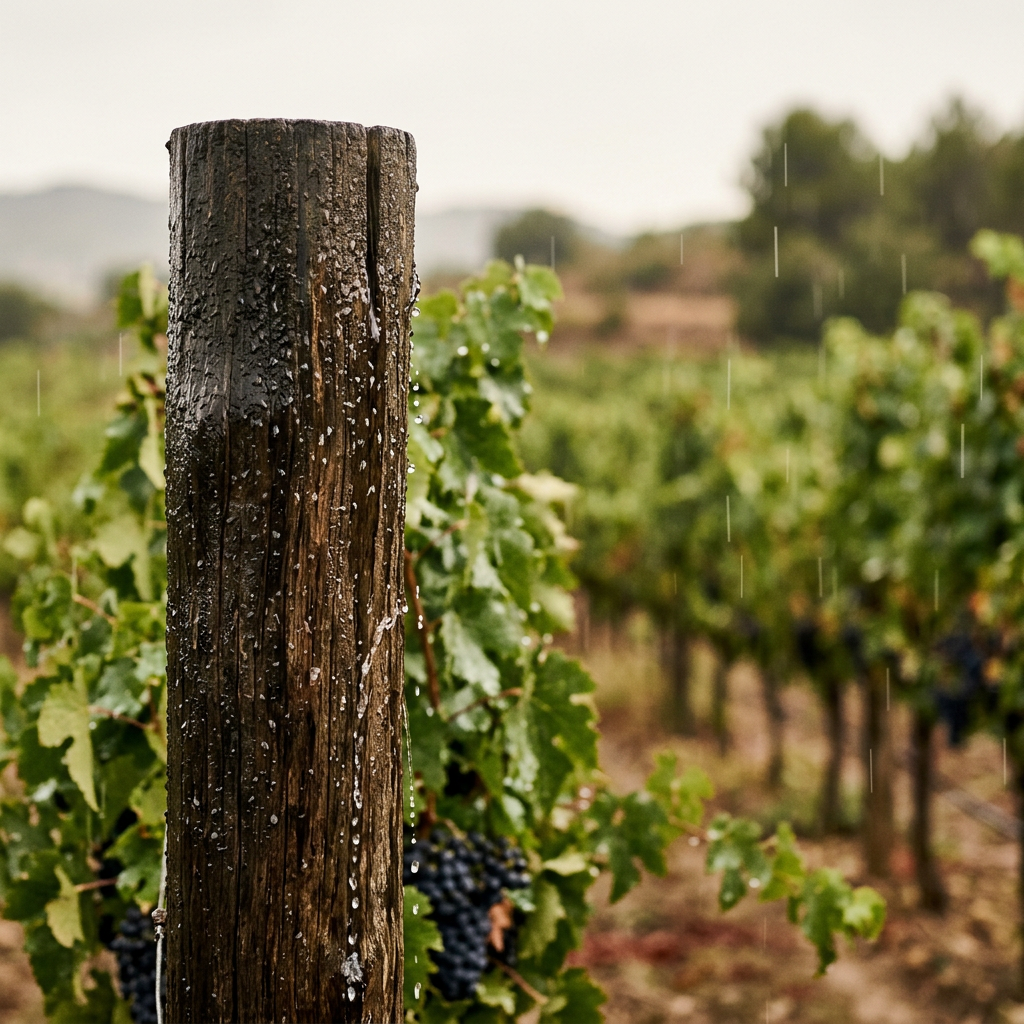
Abundant Rainfall

Sufficient moisture prevents drought stress and maintains juice freshness.

Abundant Rainfall

The Old Vines Phenomenon in Mencía

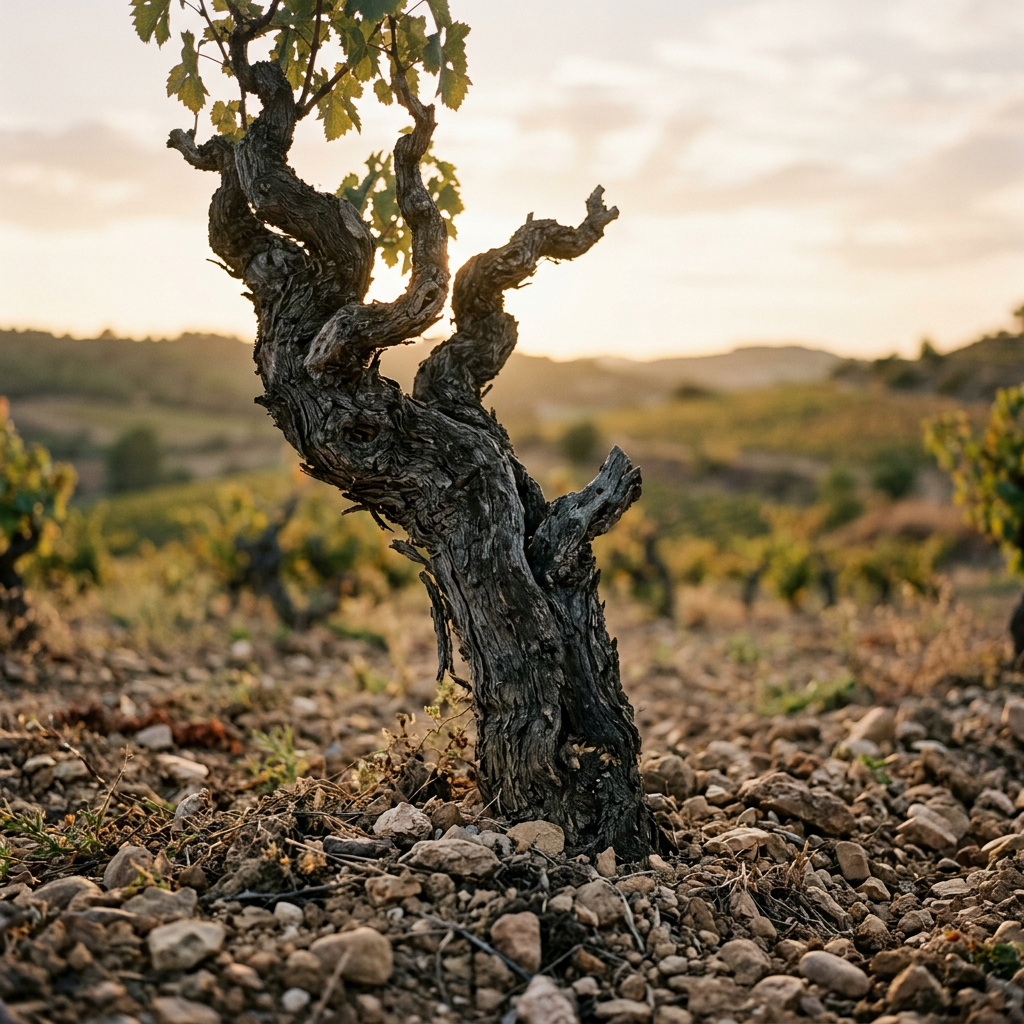
Mencía is naturally high-yielding. Without yield control, the resulting wine can be watery and lack character. This is why winemakers highly value old vineyards, often over 80–100 years old, known as viñas viejas. Over time, their yields decrease naturally, concentrating all energy into a small number of clusters.

The deep root systems of these centenarian vines penetrate through cracks in schist slabs to deep water tables. This ensures a stable water supply and prevents sharp drops in harvest quality during dry years. Grapes from old vines are smaller but have thick skins rich in tannins and aromatic compounds.

Wines made from old-vine grapes possess high complexity and a dense structure, responding well to ageing in oak barrels. Thanks to these old vineyards, Mencía is no longer seen as a source for simple house wines, but has taken its place among the great wines of Spain.

Three Key Appellations for Mencía

The character of the wine changes significantly depending on where in northwest Spain the grapes were harvested.

Bierzo D.O.: Balance of Power and Elegance

The Bierzo region is considered the birthplace of modern Mencía. Here, vineyards are protected from harsh winds, and the soils consist of clay and schist. The wines are the roundest and most concentrated, dominated by ripe dark berries, plum, and pronounced spice notes, especially when aged in French oak.

Ribeira Sacra D.O.: Heroic Viticulture

In Ribeira Sacra, vines grow on the steep slopes of the Sil and Miño river canyons. The cool climate and granite soils produce the most delicate Mencía. The wine features high acidity, aromas of raspberry and violet, and a pronounced mineral character reminiscent of the finest northern Rhône wines.

Valdeorras D.O.: Slate Rigor

Valdeorras features a more continental climate, with pure schist dominating the soils. Local Mencía wines have a structured profile and bright red berry notes with graphite undertones. These are gastronomic wines with a clean, dry finish that develop well in the bottle.

Diverse Styles and Gastronomic Rules

Thanks to its versatility, Mencía can play many roles—from a light summer wine to a complex companion for a hearty dinner.

Young Wines Without Oak Ageing

Young Mencía wines, labeled as joven, are vinified in neutral vessels without oak contact to preserve the primary fruitiness of the variety. The aroma is dominated by fresh strawberry, raspberry, and redcurrant.

These wines have a light body, high acidity, and moderate tannins. Serving them chilled to 13–15 °C highlights their juicy and vibrant character.

Young Mencía is ideal for warm days. It serves as an excellent aperitif and does not require complex pairings. It is best consumed young to appreciate its direct, fresh style.

Suitable gastronomic pairings include light charcuterie, jamón, and soft cheeses. It also pairs well with poultry dishes, such as roasted duck.

Oak-Aged Wines

Oak ageing adds depth and tannic structure to Mencía. Winemakers often use older French oak barrels to preserve the variety's delicate aromatics. The wine develops notes of spices, tobacco, and leather.

These examples have a fuller body. The acidity becomes softer, and the tannins acquire a velvety texture. The finish is long, with nuances of wild berries and spices.

Aged Mencía should be served at around 16–18 °C. Decanting before serving allows the wine to open up. These wines possess good ageing potential.

In terms of food pairings, they require hearty dishes. They pair excellently with grilled red meat, beef stew, and rack of lamb. Aged cheeses also make a great partner.

Unconventional Food Pairings

Thanks to its high acidity, Mencía pairs well with foods that are typically challenging for red wines, such as fatty fish. Local traditions frequently pair Mencía with seafood.

A classic pairing in northwest Spain is Galician-style octopus (pulpo a la gallega) with paprika. The wine's acidity balances the texture of the octopus, while the spices echo the wine's aromatics.

The wine also pairs well with tuna dishes and baked salmon. The acidity acts similarly to lemon juice, refreshing the palate, while the soft tannins avoid creating a metallic aftertaste.

For vegetarian cuisine, Mencía is an excellent companion to eggplant dishes and mushroom risotto. Its earthy undertones harmoniously complement grilled vegetables.

Want to Discover Mencía?

In the Solo Wine online store collection, we have gathered the finest examples of Mencía from leading winemakers in Bierzo and Ribeira Sacra. Discover the remarkable balance of freshness and depth of this unique Spanish variety. Visit our catalog to select the perfect bottle with delivery in Marbella.

Learn more
Home
Favorites
Catalog
Cart
Log in