Cava or Champagne: What to Choose for New Year's Eve

Choosing sparkling wine for the biggest night of the year often comes down to two main rivals: Spanish Cava and French Champagne. Both are crafted using the traditional method, but differences in climate, grape varieties, and ageing create completely distinct characters in the glass.

The Difference Between Cava and Champagne

While both wines are born through secondary fermentation in the bottle, their flavor profiles are shaped by geography and tradition.

Same method, different terroirs

The main similarity between Cava and Champagne is the traditional method of production (método tradicional or méthode champenoise). Carbon dioxide bubbles develop naturally during lees ageing in the sealed bottle. This is where the technical similarities end and the influence of terroir begins.

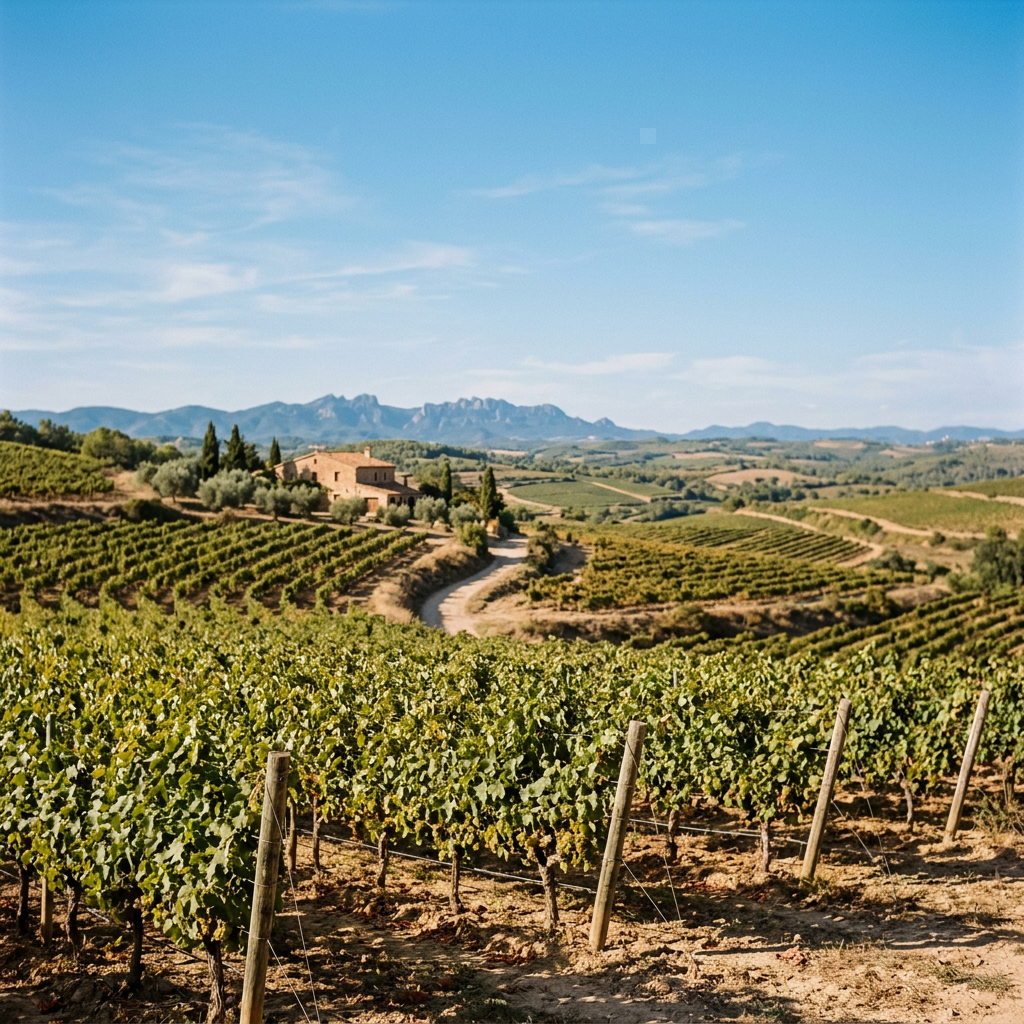
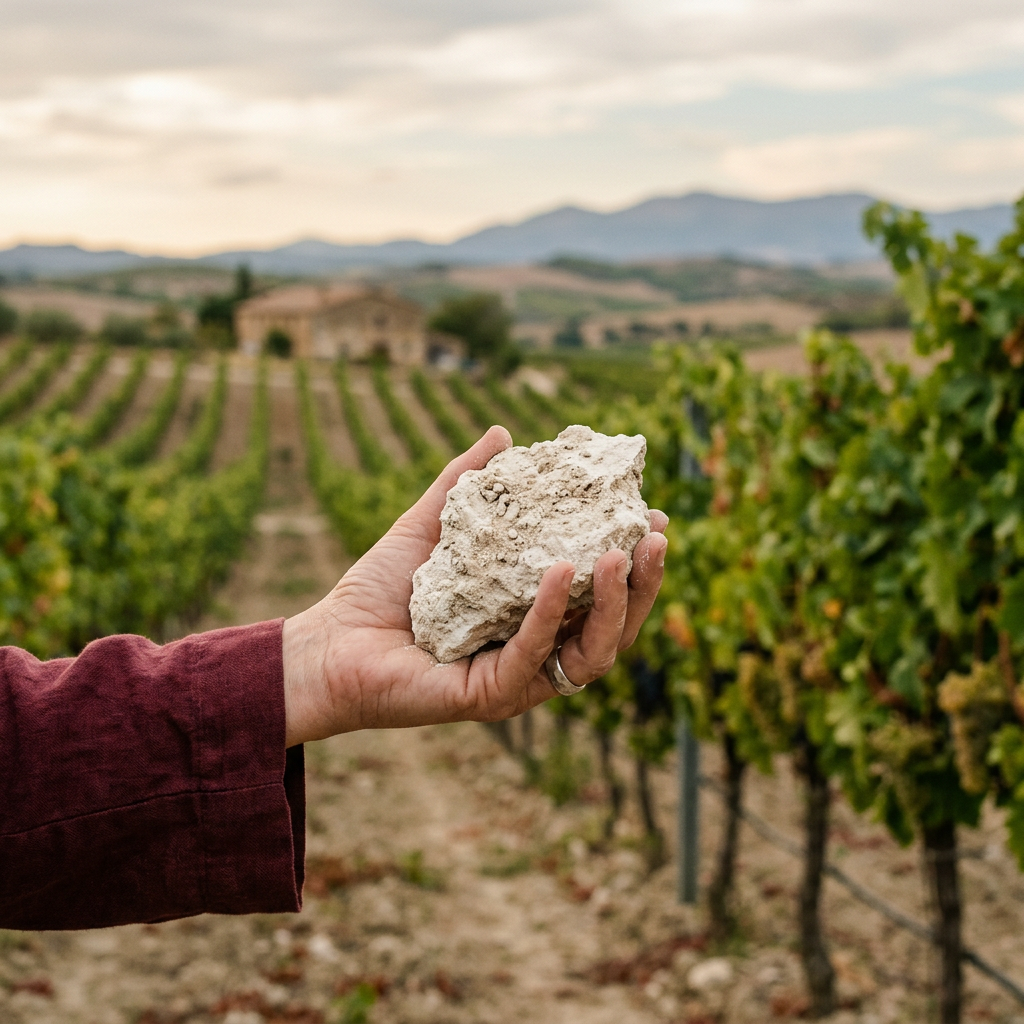
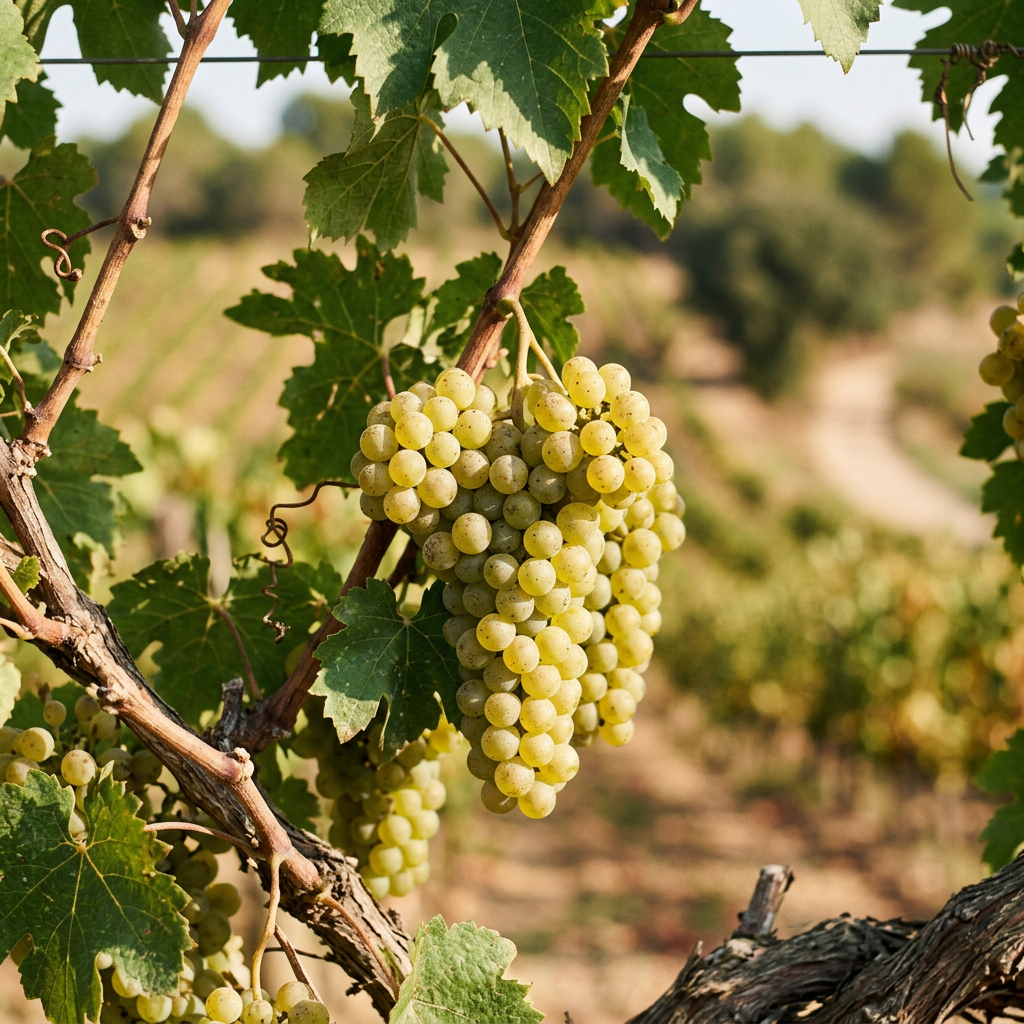
Champagne is born in northern France, in a cool climate with chalky soils, giving the wine high acidity and a mineral character. Most Cava is produced in Catalunya, in a warmer Mediterranean climate where grapes ripen faster, resulting in softer acidity and vibrant fruit notes.

Four differences in the glass

01

Grape varieties

Champagne: Chardonnay, Pinot Noir. Cava: Macabeo, Xarel·lo.

Grape varieties
02

Climate and sun

Cool Champagne: high acidity. Warm Catalunya: ripe fruit.

Climate and sun
03

Soil composition

Chalk in Champagne: salinity. Clay in Catalunya: softness.

Soil composition
04

Ageing time

Minimum lees ageing: 15 months for Champagne, 9 for Cava.

Ageing time

The secret of taste: the magic of autolysis

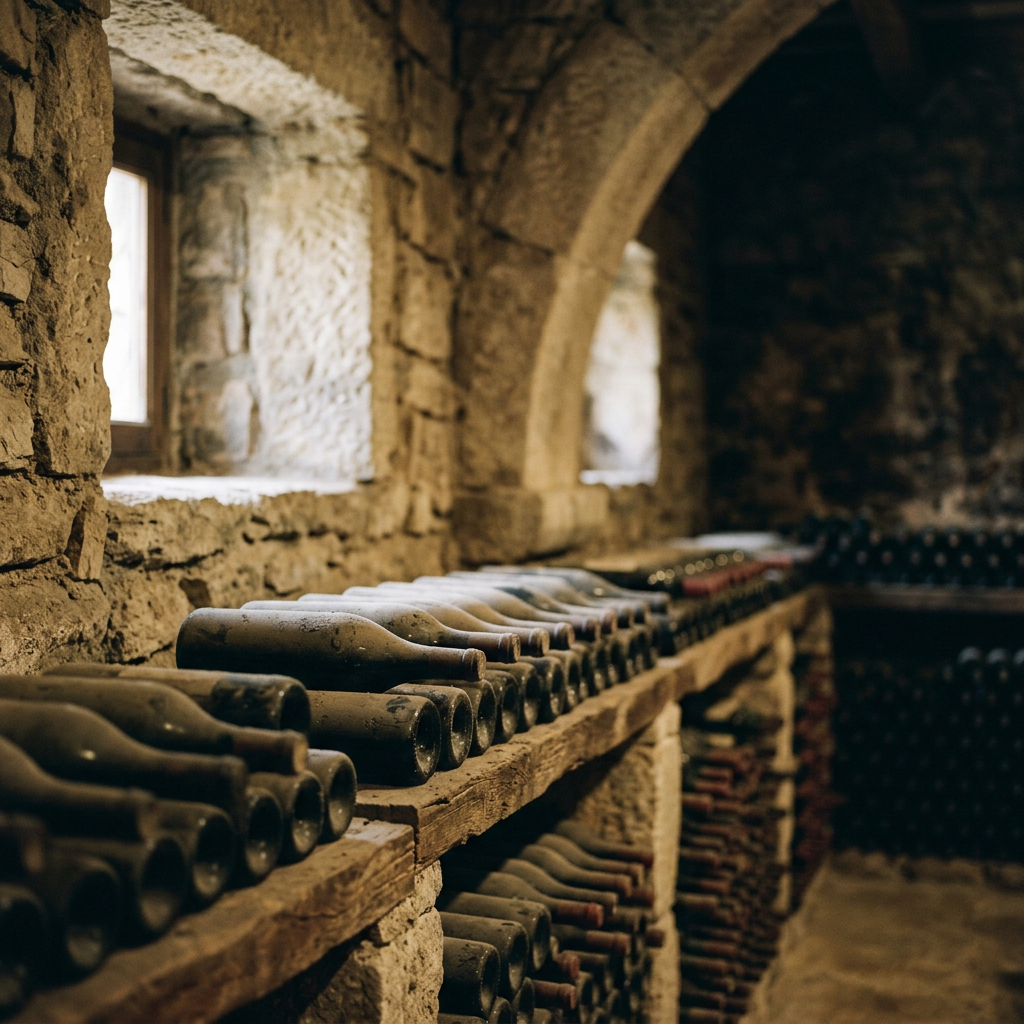
The distinct character of classic sparkling wine is shaped during ageing on the yeast lees. This process is called autolysis. Yeast cells gradually break down, enriching the wine with complex aromatic compounds. It is autolysis that gives Champagne its famous notes of fresh pastry, brioche, butter, and toasted nuts.

This process also occurs in Cava, but due to the warmer climate and different grape varieties, other nuances often come to the forefront. Spanish sparkling wine is dominated by yellow apple, citrus, ripe pear, and subtle herbal notes. That said, aged versions of Cava (Reserva and Gran Reserva) easily rival their French counterparts in aromatic complexity.

Choosing between them is a matter of personal preference and food pairing. Champagne impresses with its strict structure, piercing freshness, and long mineral finish. Cava offers a friendlier, rounder, and more fruit-forward style, perfect for a festive atmosphere without unnecessary pretense.

How to Serve and Pair Sparkling Wine on New Year's Eve

To let the wine fully reveal its potential, follow a few simple rules of serving and food pairing.

Serving temperature

Chill the bottle to 6–8 °C for simple young wines and to 9–11 °C for aged ones. A wine that is too cold will lose its aromatic richness.

Glassware choice

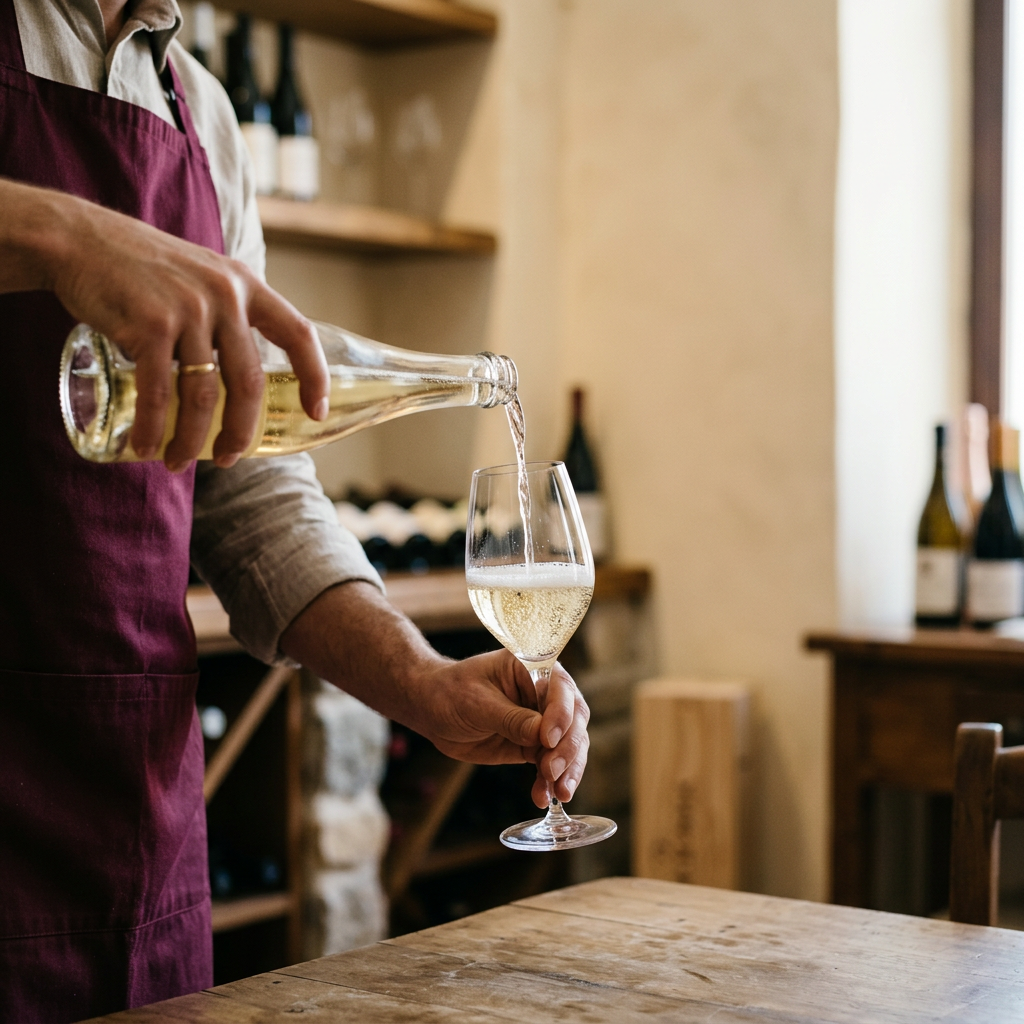
Instead of narrow flutes, use white wine glasses. They allow the aromas to unfold and prevent the bubbles from being too aggressive on the nose.

Food pairings for Cava

Thanks to its softer acidity, Cava pairs beautifully with traditional appetizers: jamón, light tapas, mild cheeses, and fish dishes.

Food pairings for Champagne

The high acidity of Champagne demands rich companions. Opt for oysters, caviar, roasted poultry, or aged hard cheeses.

Which sparkling wine will grace your celebration?

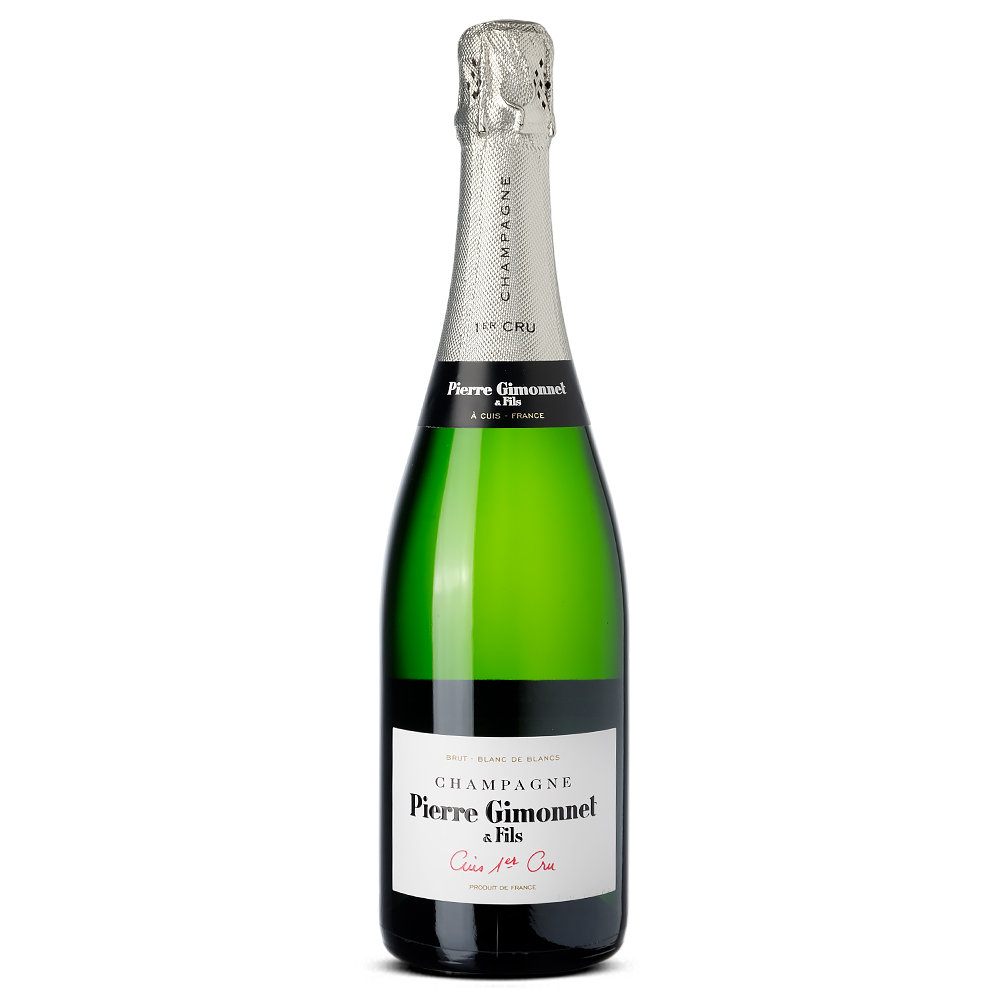
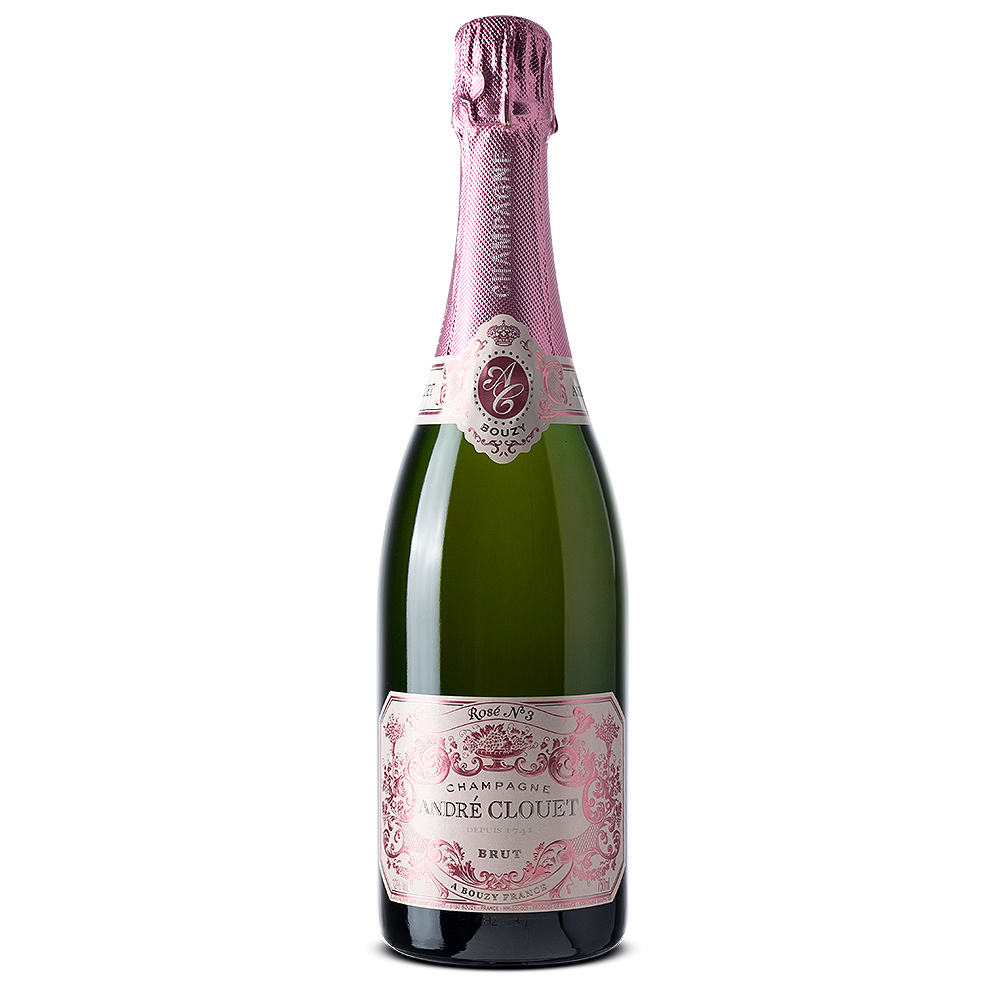
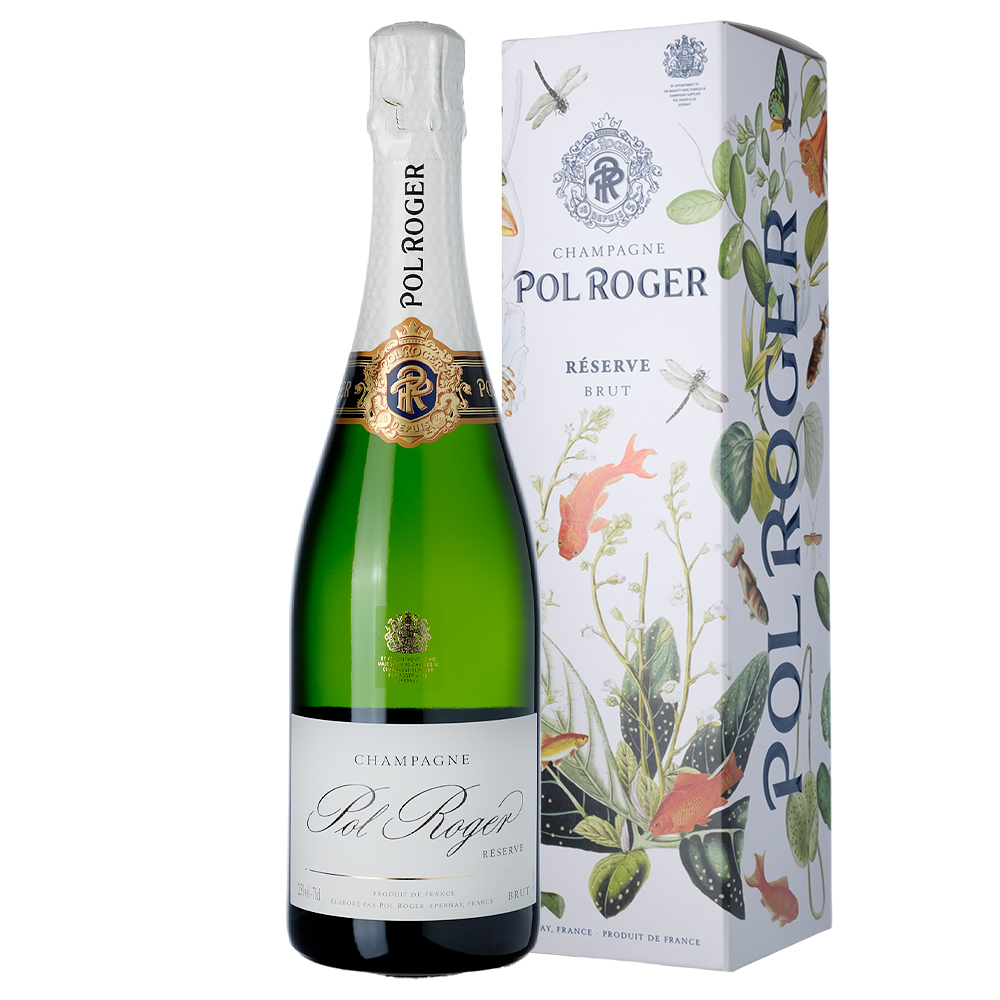
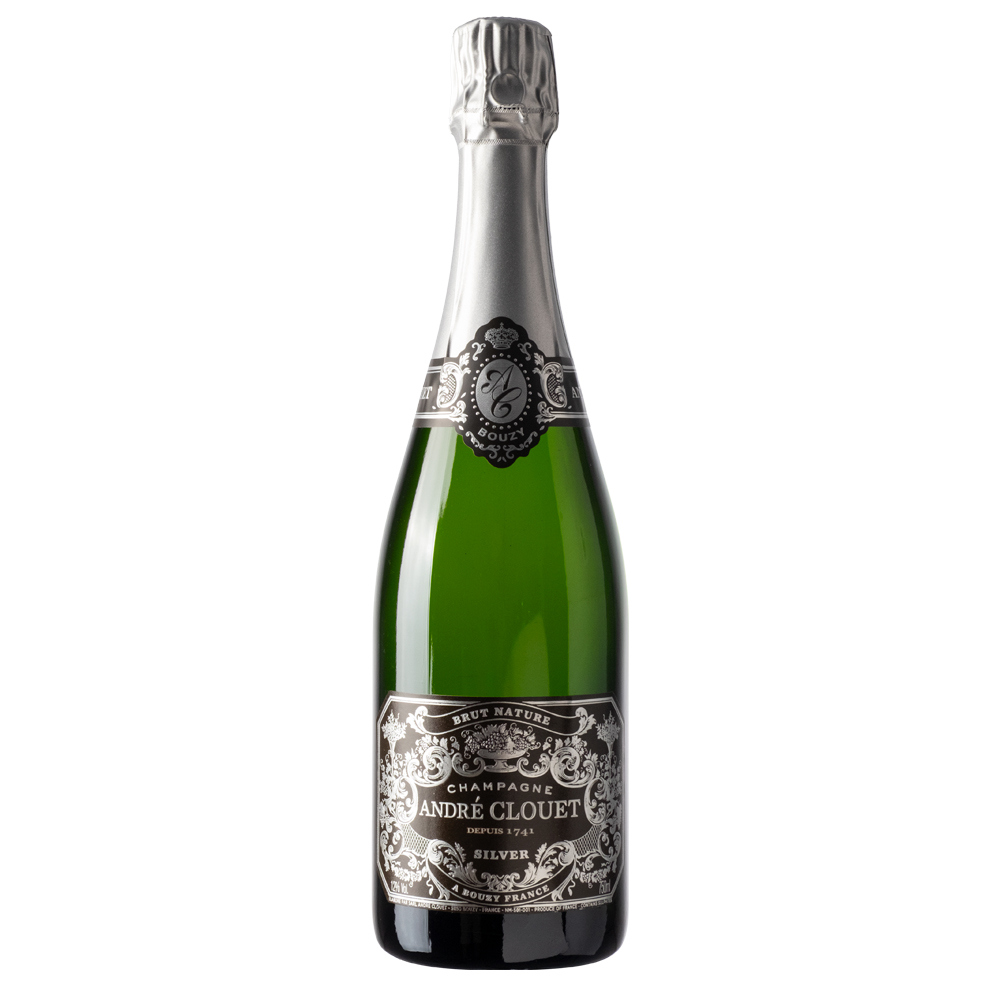
Our collection features the finest Champagnes from great houses and rare récoltants, alongside exquisite Spanish Cava. Find your perfect bottle for New Year's Eve in the Solo Wine catalog.

Learn more
Home
Favorites
Catalog
Cart
Log in